Category Archives: Periodicals
Features new subscriptions, recent acquisitions, dead runs of interest, and generally highlights the Visual Arts Library Periodicals Collection.
New Titles on Display
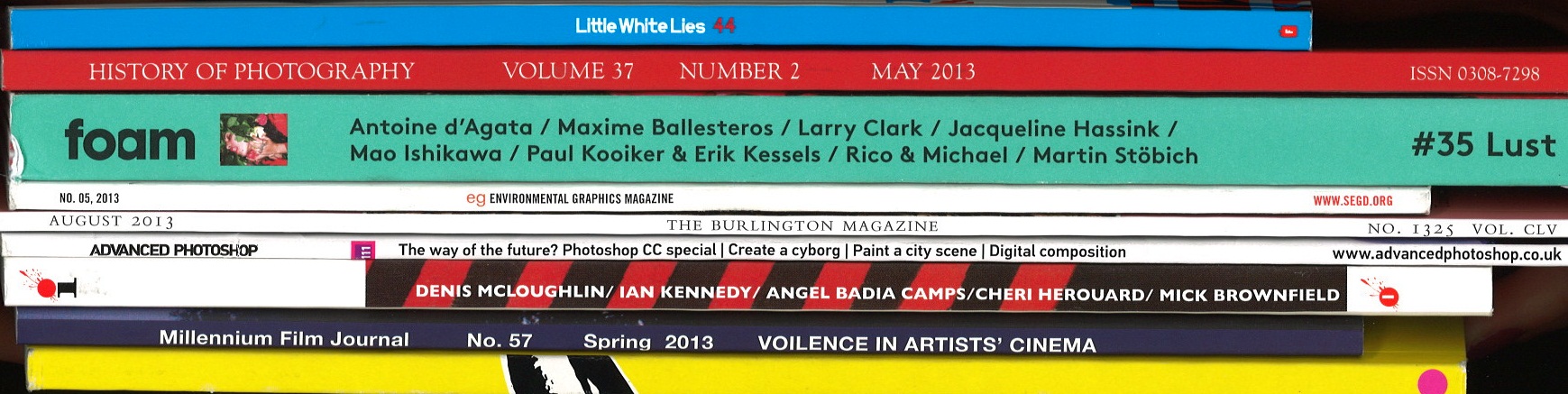
We’ve just completed our annual display shift to include fourteen new titles on our main shelf. Some are brand new subscriptions, and others are longstanding subscriptions onto which we wanted to shine a little light ; back-runs, as always, can be found in our back-stacks.
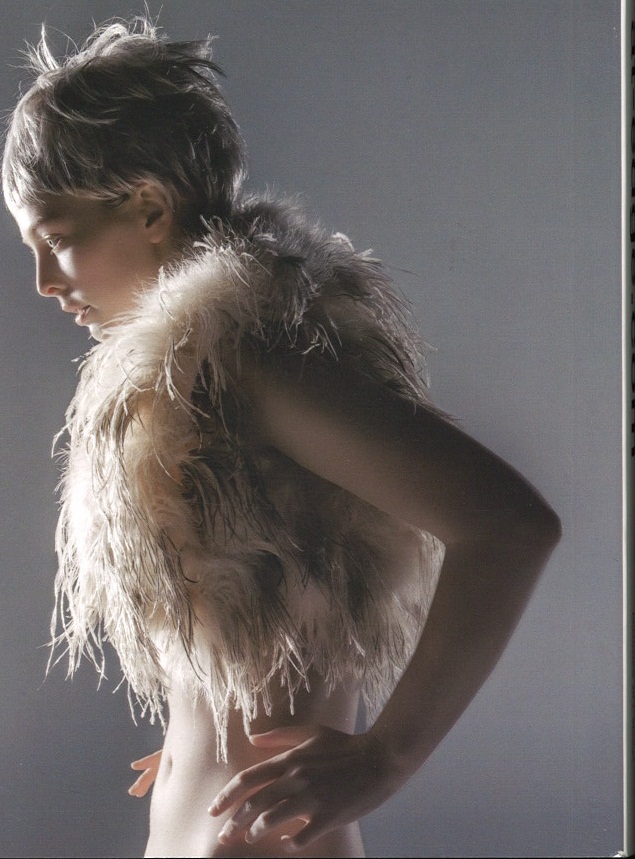
At-Edge Microview, Volume 40
” At-Edge is a continuing series of publications that connects top-echelon assignment photographers with the world’s most active and influential art directors.”
www.at-edge.com
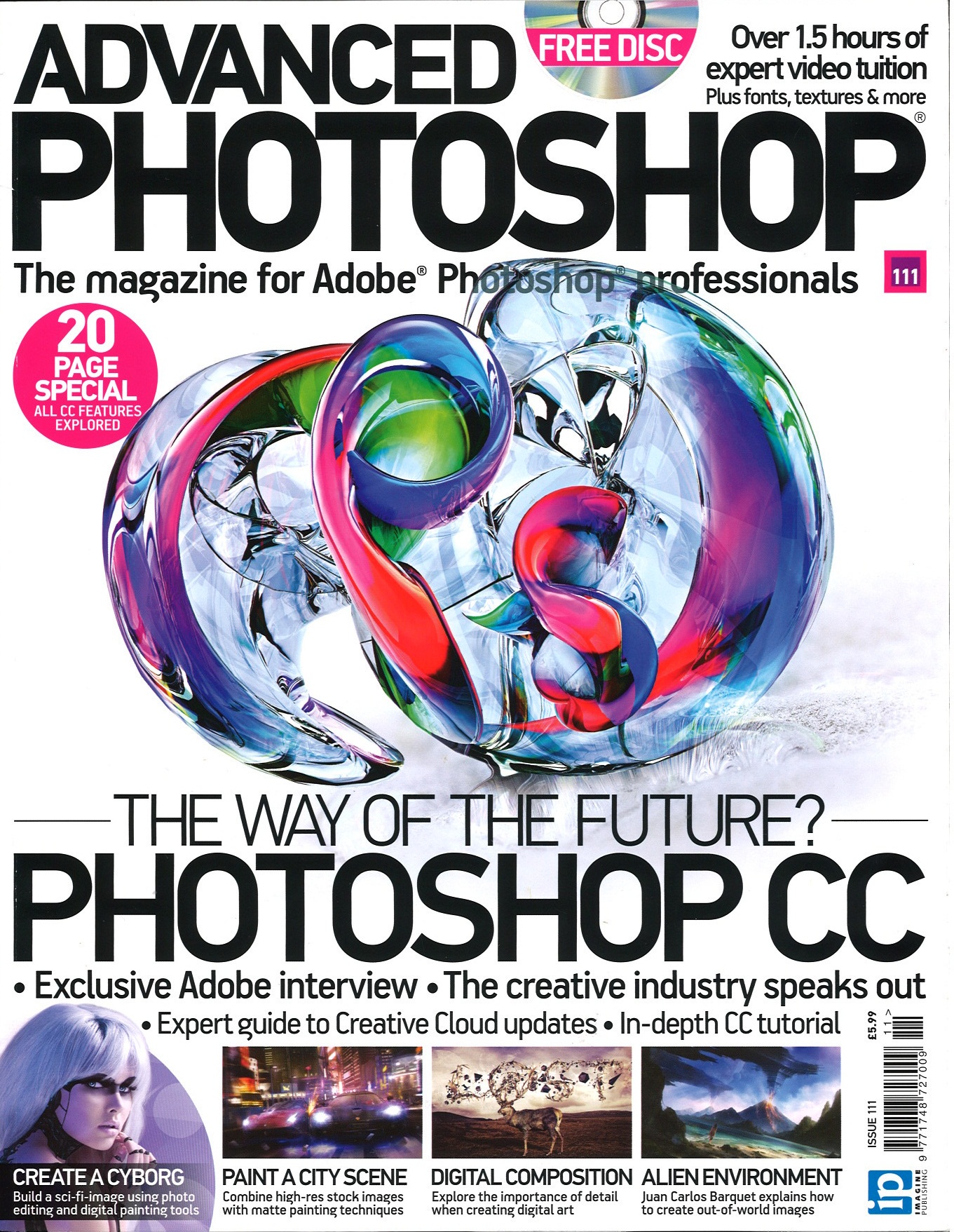
Advanced Photoshop, issue 111
This is the magazine guide to Adobe Photoshop. Its a great resource for professional and not-so-pro users; it includes step-by-step tutorials from industry professionals, tips and techniques as well as regular contests and promotions.
www.advancedphotoshop.co.uk
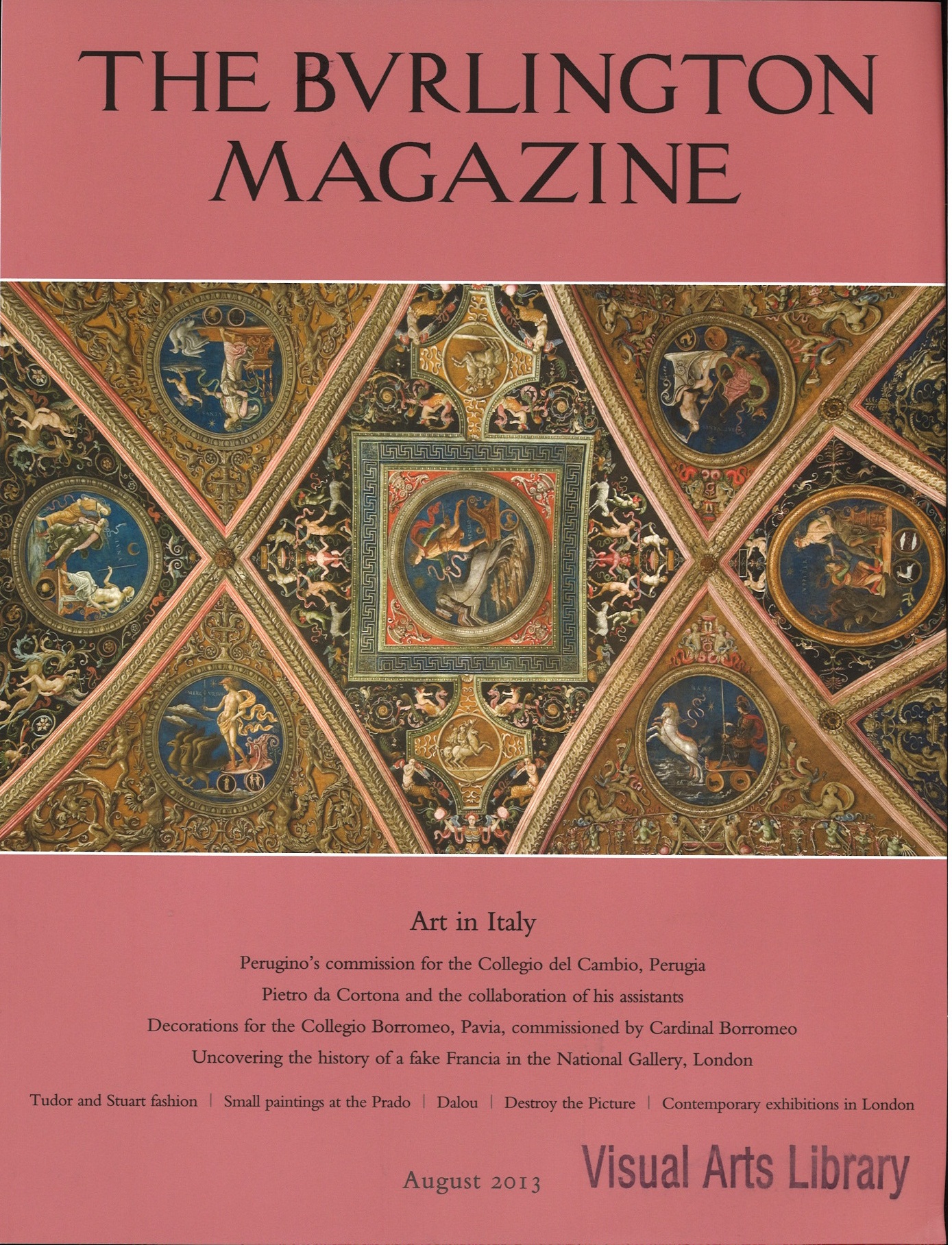
The Burlington Magazine, n. 1325, v.CLV, August 2013
The Burlington Magazine devotes itself to the review and commentary of all decorative and fine arts. The magazine is edited by esteemed art critics and scholars and also has an extensive online index.
www.burlington.org.uk

Ding, issue 1
German for “thing”, DING is the bilingual companion publication to Form magazine (also in our main display). This is the first issue and it aims to explore the more intimate relationships between people and the objects in their lives. It is broken into five sections, each dedicated to one object: “a favorite thing, a memory thing, an in-between thing, an ego thing, and an outrageous thing.”
www.form.de

Foam, issue 35
“Foam Magazine is an award-winning, international photography magazine. Published quarterly around a unique theme, Foam Magazine contains eight portfolios each printed on different specialty paper, numerous interviews, and a diverse selection of photobook reviews. The magazine is a platform for every aspect of photography from documentary to fashion, from contemporary to historical, and from world famous photographers to young talents.”
www.foam.org
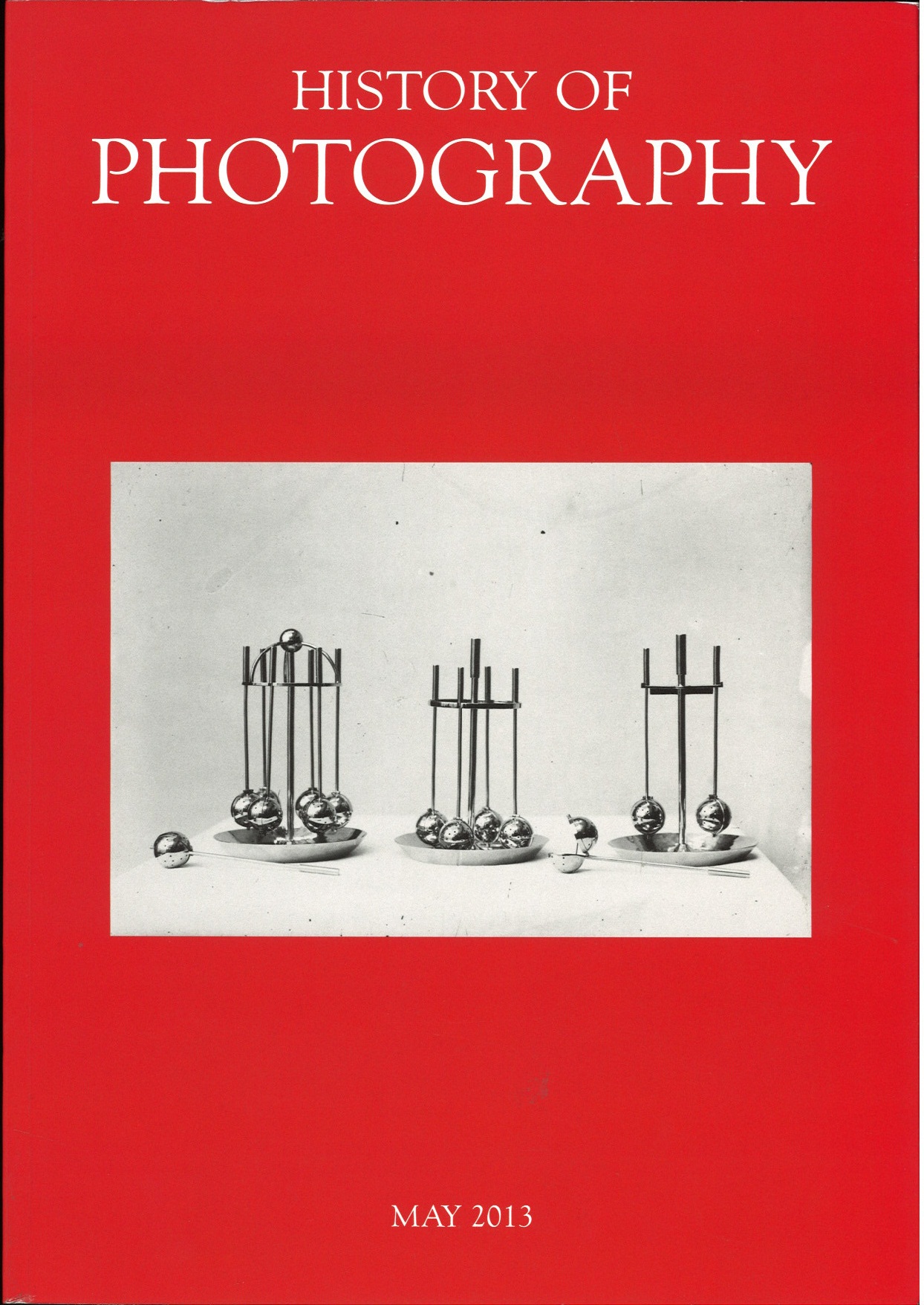
History of Photography, v. 37, n. 2
History of Photography is focused on all forms of photography, its history, theory and practice world-wide. Updated quarterly.
www.tandfonline.com
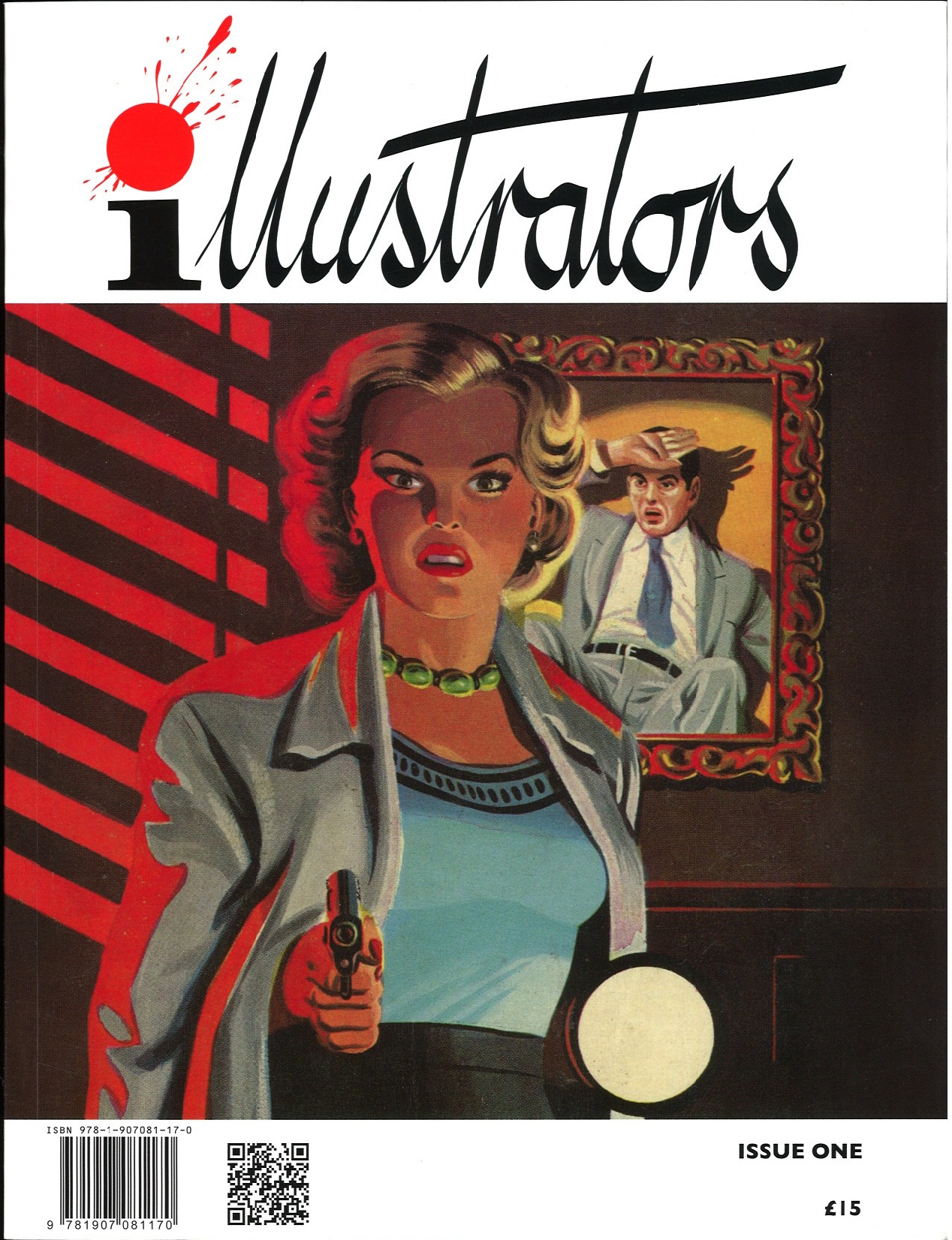
Illustrators, issue 1
“illustrators is the art periodical devoted to the finest illustration art ever published. It guides you through the stories behind the artists and their art, with features written by some of the leading authorities on this vital art form. As well as building into an indispensable reference library, illustrators gives readers an insight into the creative process, from idea to preliminary sketch to painting, and from painting to the final image seen by millions.”
www.illustratorsquarterly.com
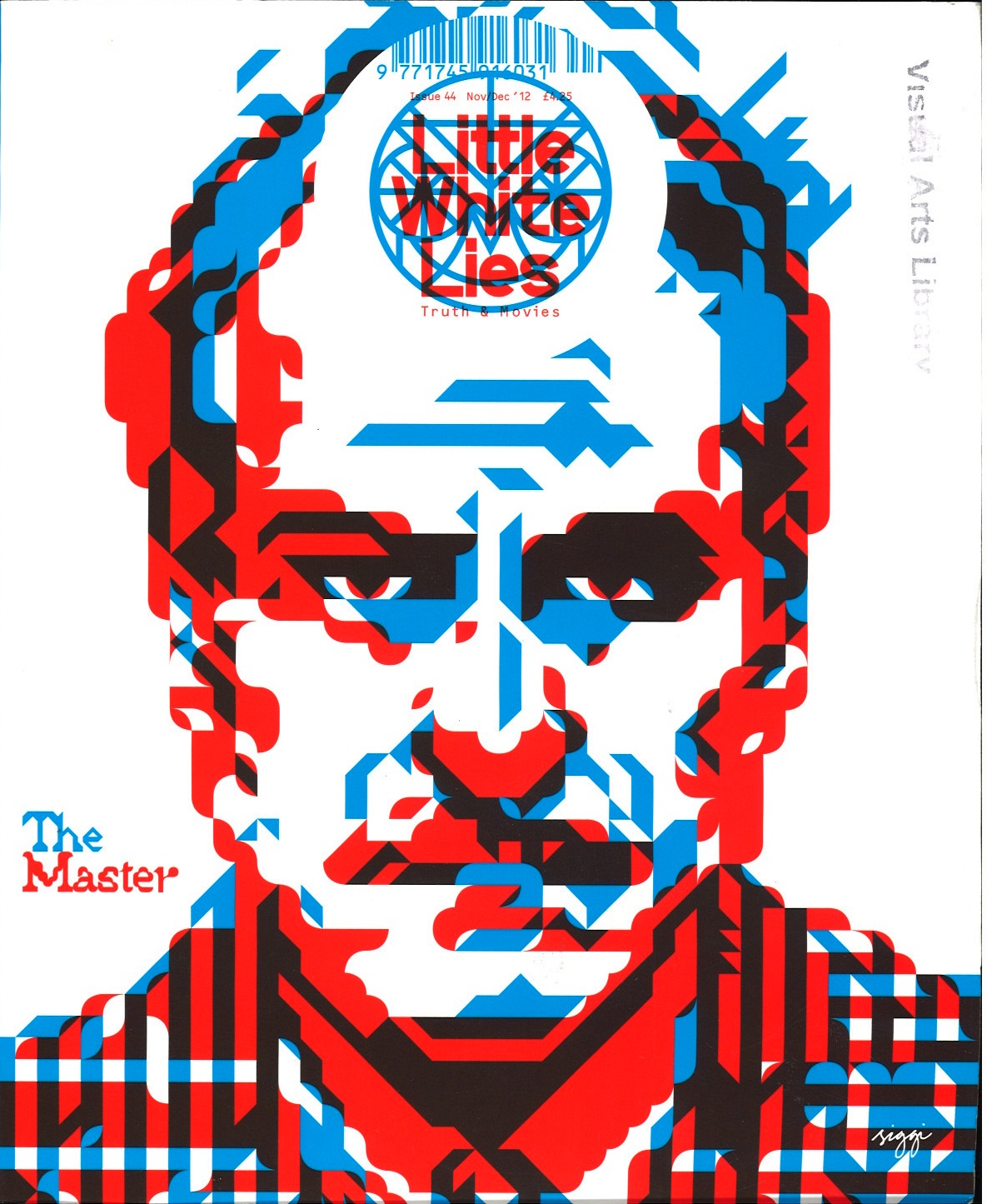
Little White Lies, n. 44
“LWLies is a bi-monthly, independent movie magazine that features cutting edge writing, illustration and photography to get under the skin of cinema.Because movies don’t exist in a vacuum, we venture beyond the boundaries of the big screen, exploring the worlds of music, art, politics and pop culture to inform and illuminate the medium we love.Bold, beautiful and unique, LWLies is a magazine on a mission – to reshape the debate across the movie landscape.”
www.littlewhitelies.co.uk
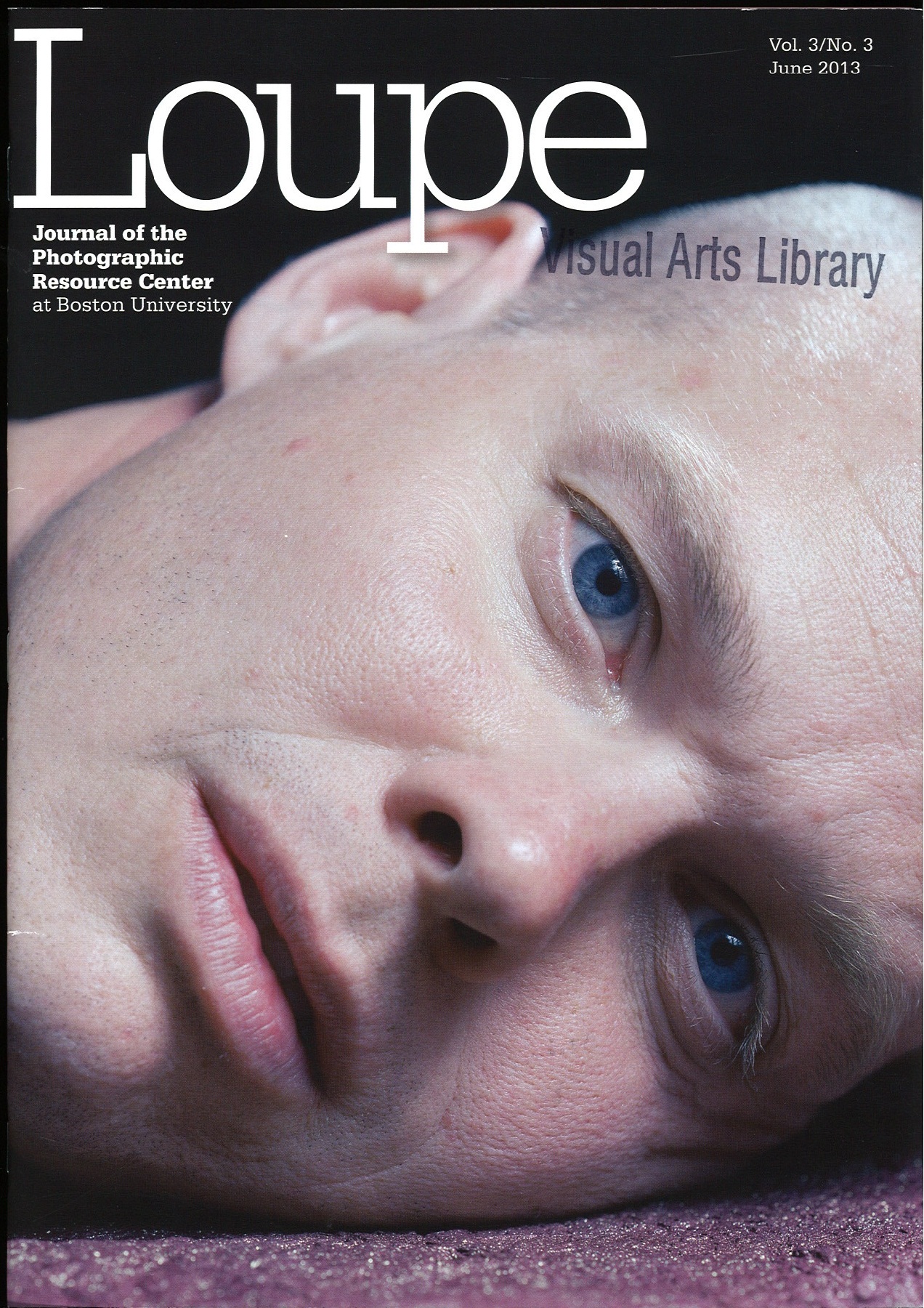
Loupe, v. 3, n. 3, June 2013
A Journal of Photography from the Photographic Resource Center at Boston University, Loupe is a close investigation of 21st century photography. It includes interviews and portfolios of both established and emerging artists.
http://www.bu.edu/prc/intheloupe.htm
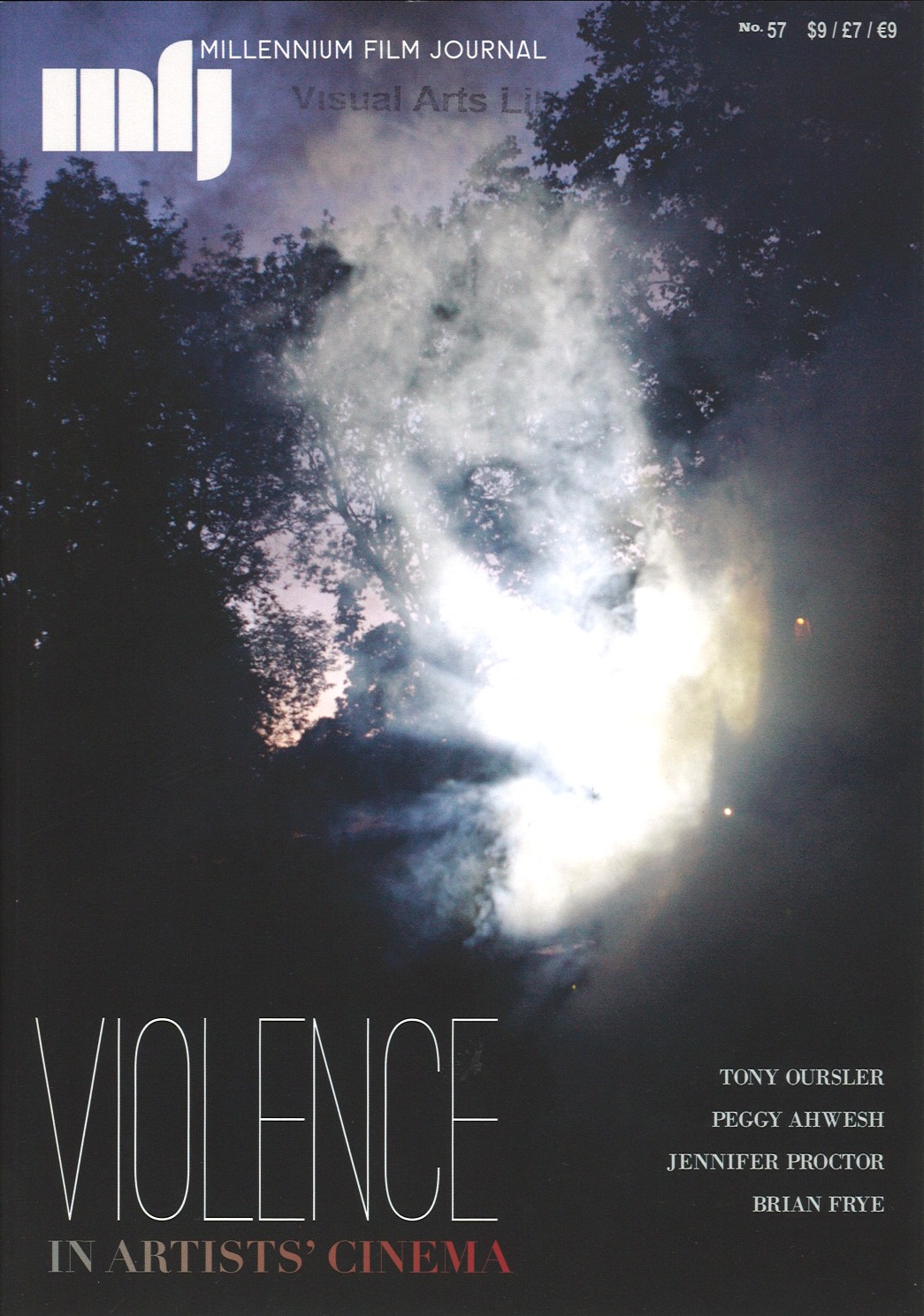
Millennium Film Journal, n. 57, Spring 2013
“The oldest journal of avant-garde film and media art on planet earth.” MFJ comments on film as a purely artistic, non-commercial medium.
www.mfj-online.org
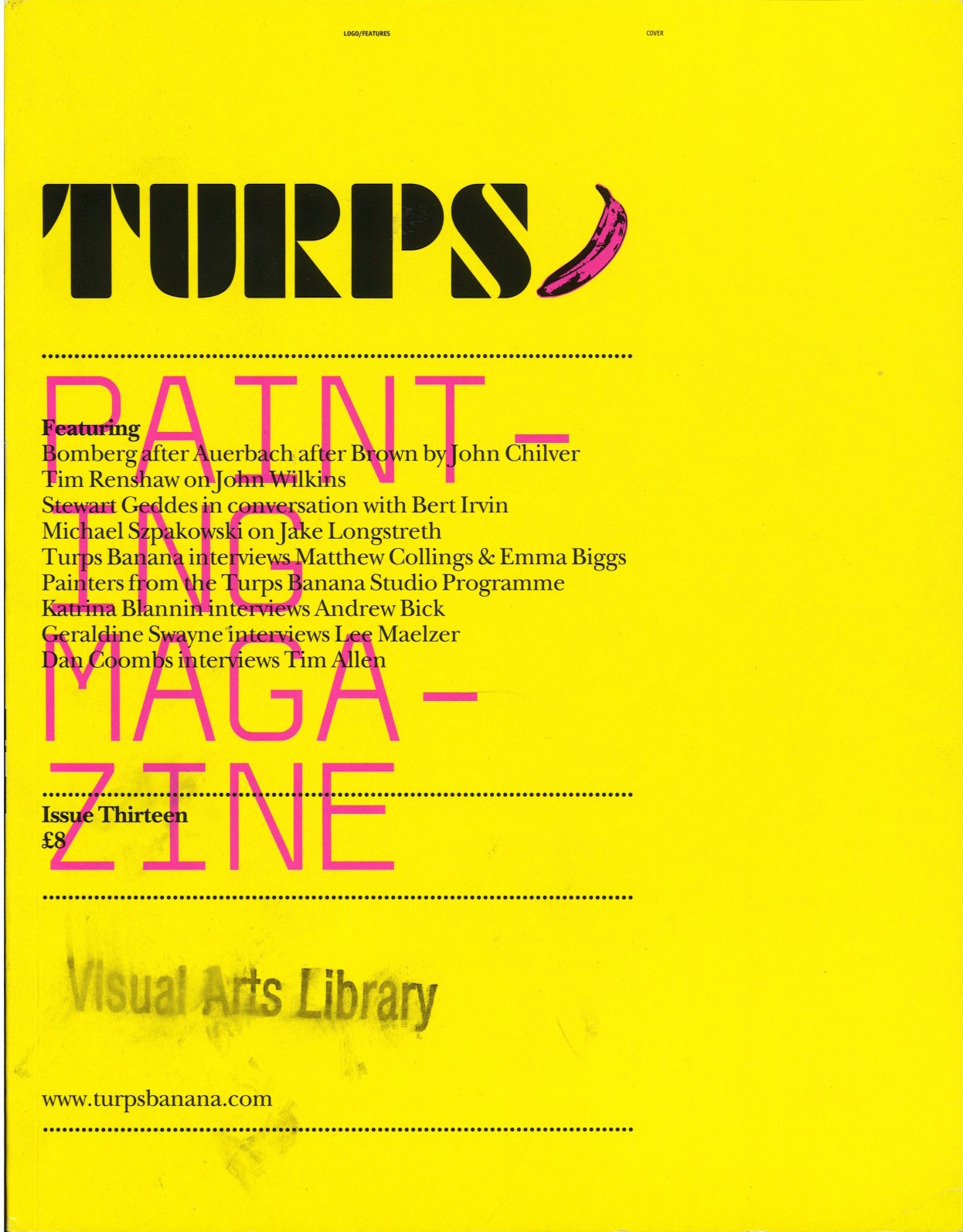
Turps Banana, issue 13
Turps Banana is a magazine about painters, made by painters. It features extensive artist interviews in its aim to establish a dialogue about painting rather than criticisms.
turpsbanana.com
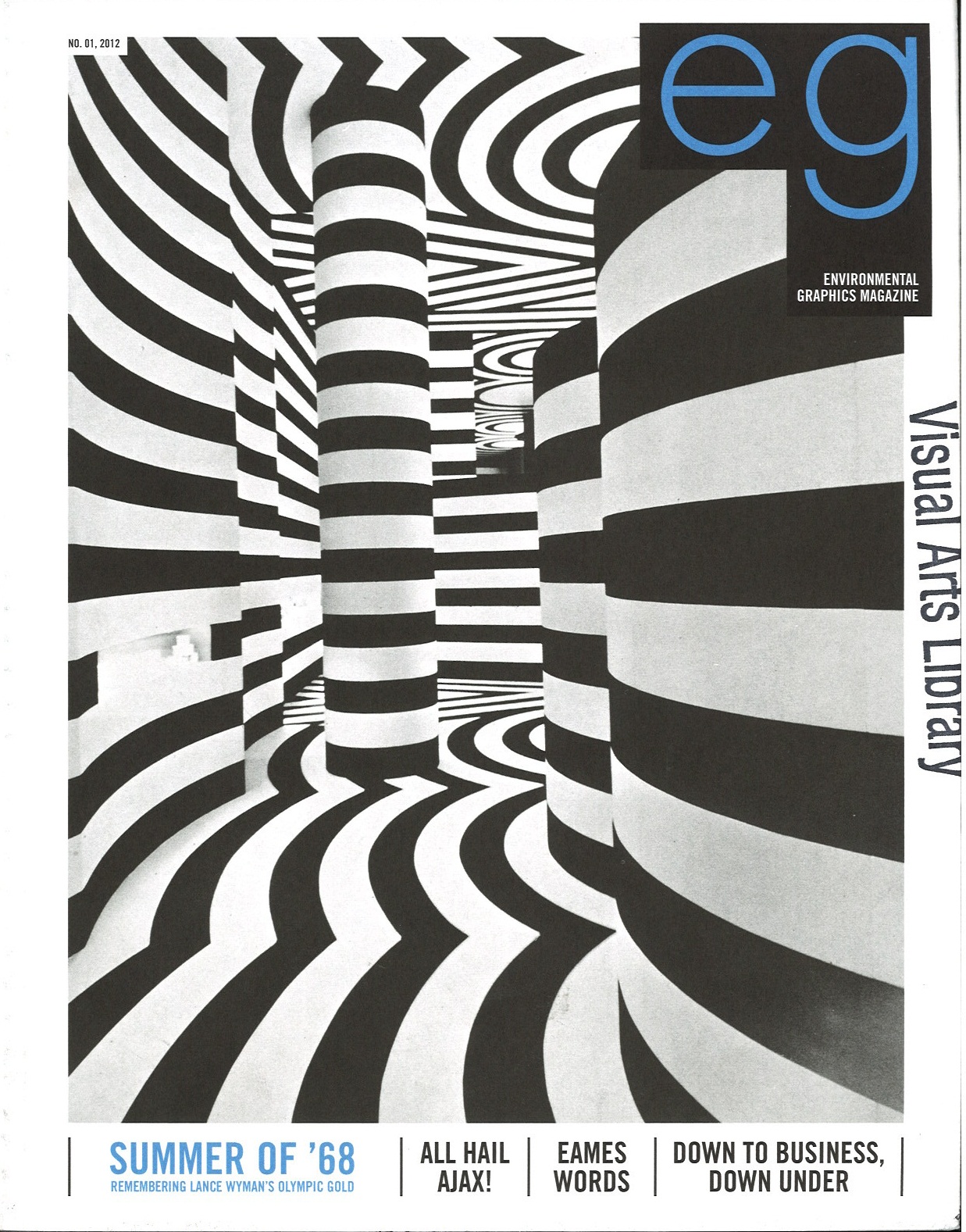
Environmental Graphics Magazine
Formerly titled SEGD magazine, this is a publication from the Society for Environmental Graphic Design. It’s a multidisciplinary collection of public art, projects, and innovations, exploring architecture, signage and installations and their impact on the world and its environment.
https://www.segd.org/publications/
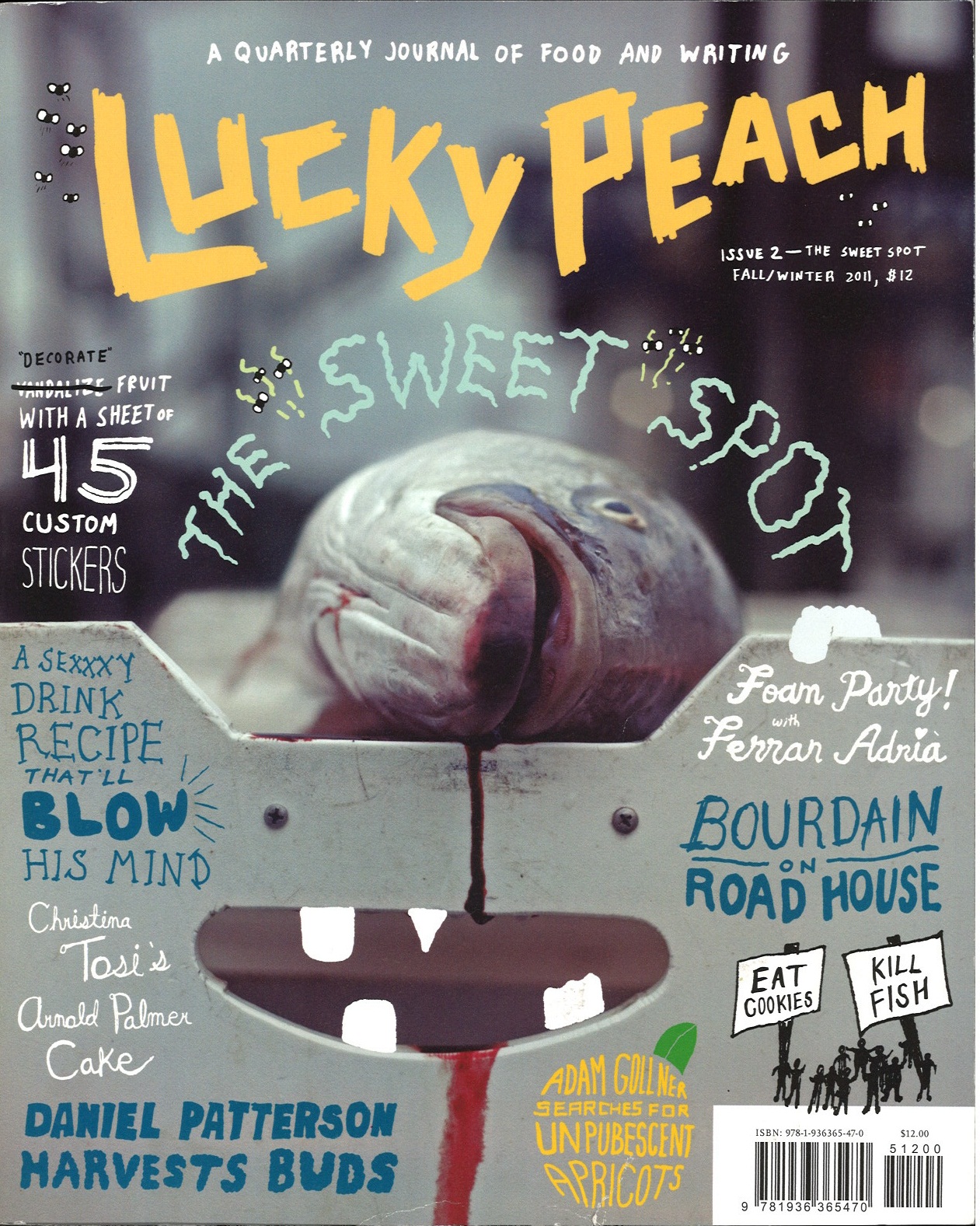
Lucky Peach, issue 2
LUCKY PEACH is a quarterly journal of food and writing. Each issue focuses on a single theme, and explores that theme through essays, art, photography, and recipes.
http://lky.ph/about
Unfortunately we also had to remove some of the less frequently updated and out of print titles to make room for the new display, but you can still find them in the back stacks.
Arkitip
Central Booking
Design Mind
Eight
Fiber Arts
Giant Robot
Graphotism
Picture
Ready Made
SEGD Design
Shonen Jump
Spin
(t)here
Draw!
Illustration (Japan)
 Illustration is a Japanese publication featuring illustrators and cartoonists working in a wide range of mediums, from oil paint to digital collage. The magazine often includes step-by-step photographic demos for artists and humorous inserts such as a page featuring the editors in a muscle-flexing contest. We also have two other journals called Illustration, one of which is from England, and the other from the USA. For the Japanese Illustration our holdings start in 1991 and continue to the present day (with some gaps, most notably between 1997-2002).
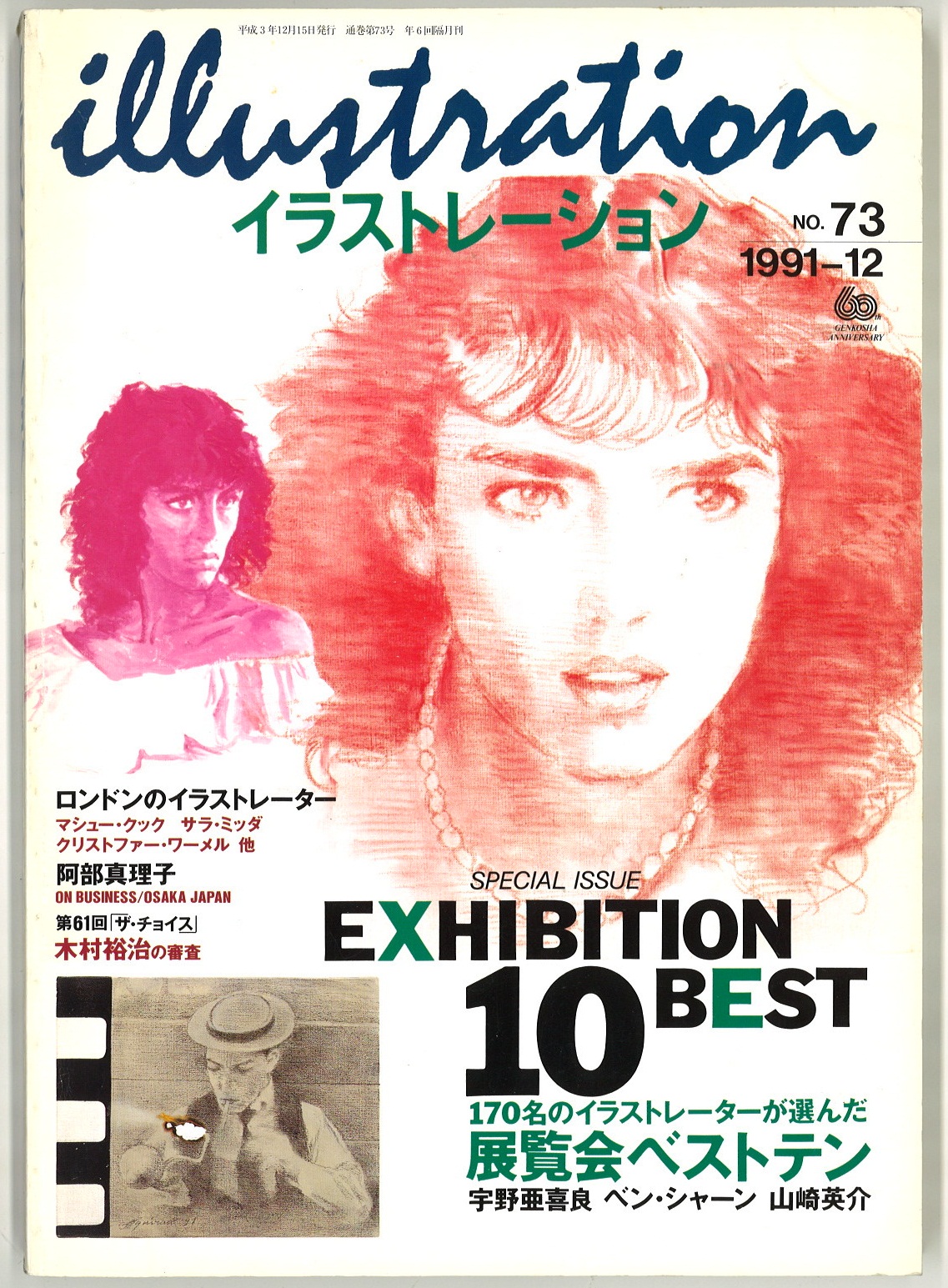
Illustration, Number 73. December 1991.

Illustration, Number 102. November 1996.

Illustration, Number 72. October 1991.
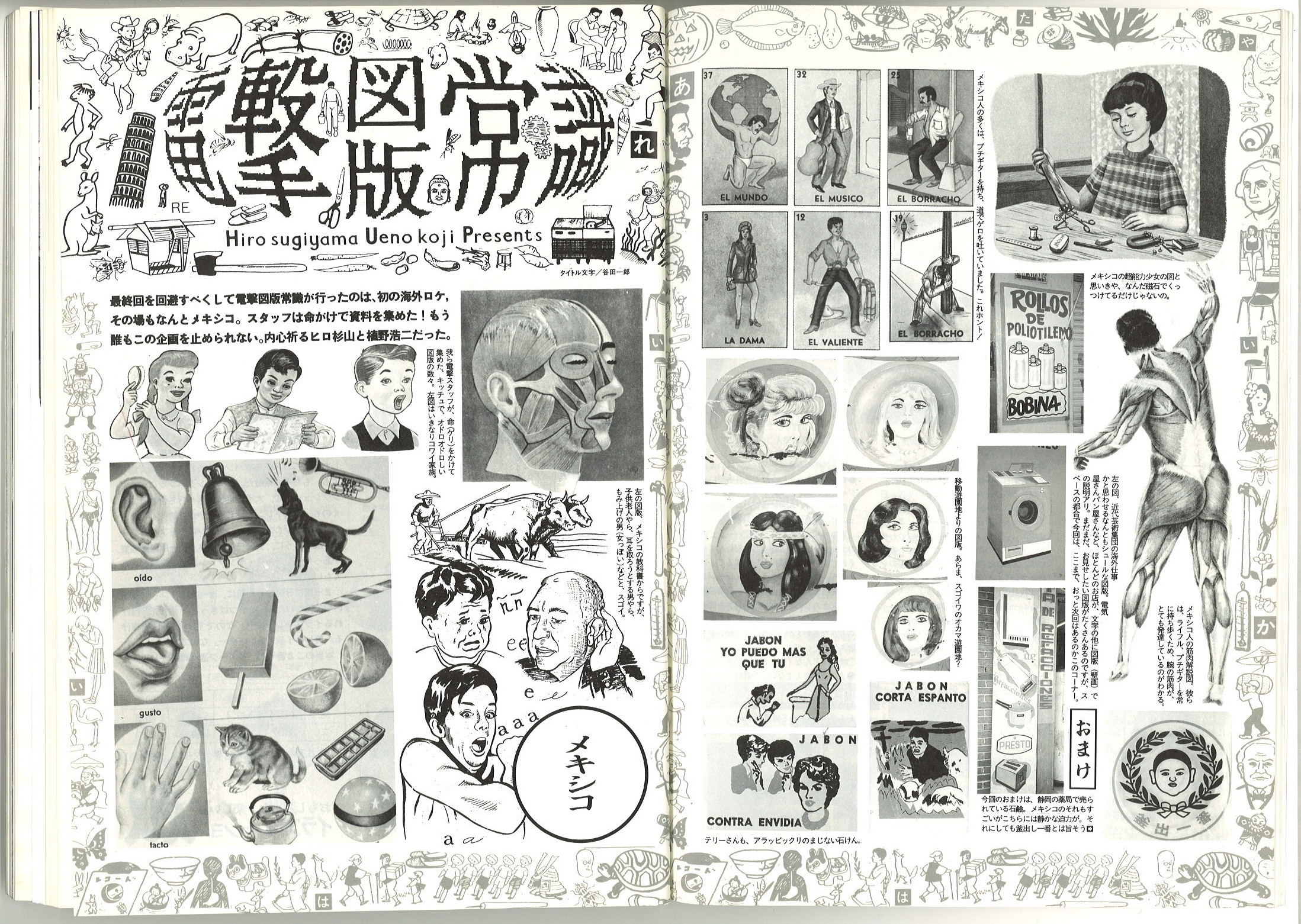
Illustration, Number 72. October 1991.
Hiro Sugiyama Ueno Koji.

Illustration, Number 72. October 1991.
Sugoroku Takeya.
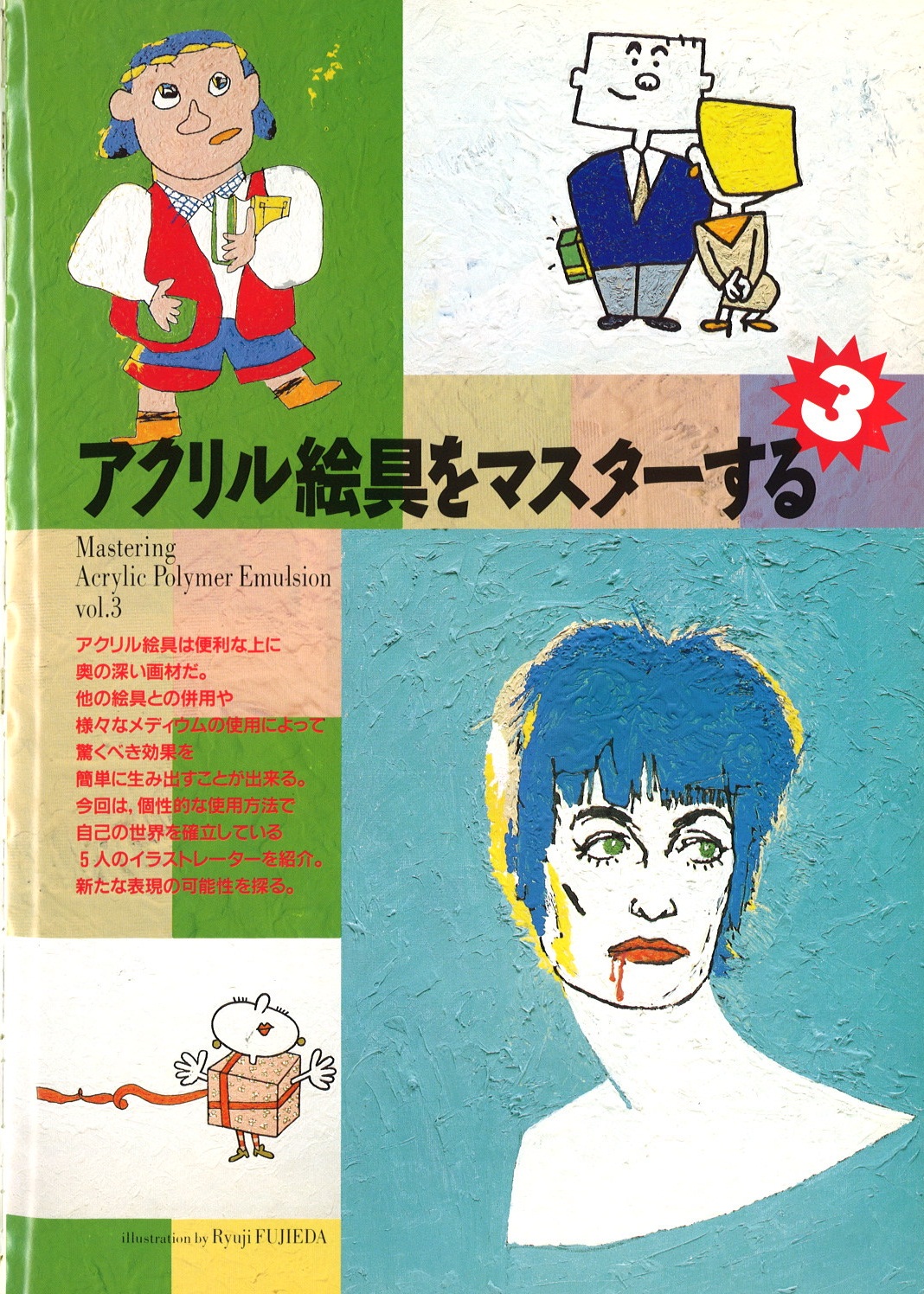
Illustration, Number 87. May 1994.
Ryuji Fujieda
Some issues include step-by-step “how-to’s” for illustrators.
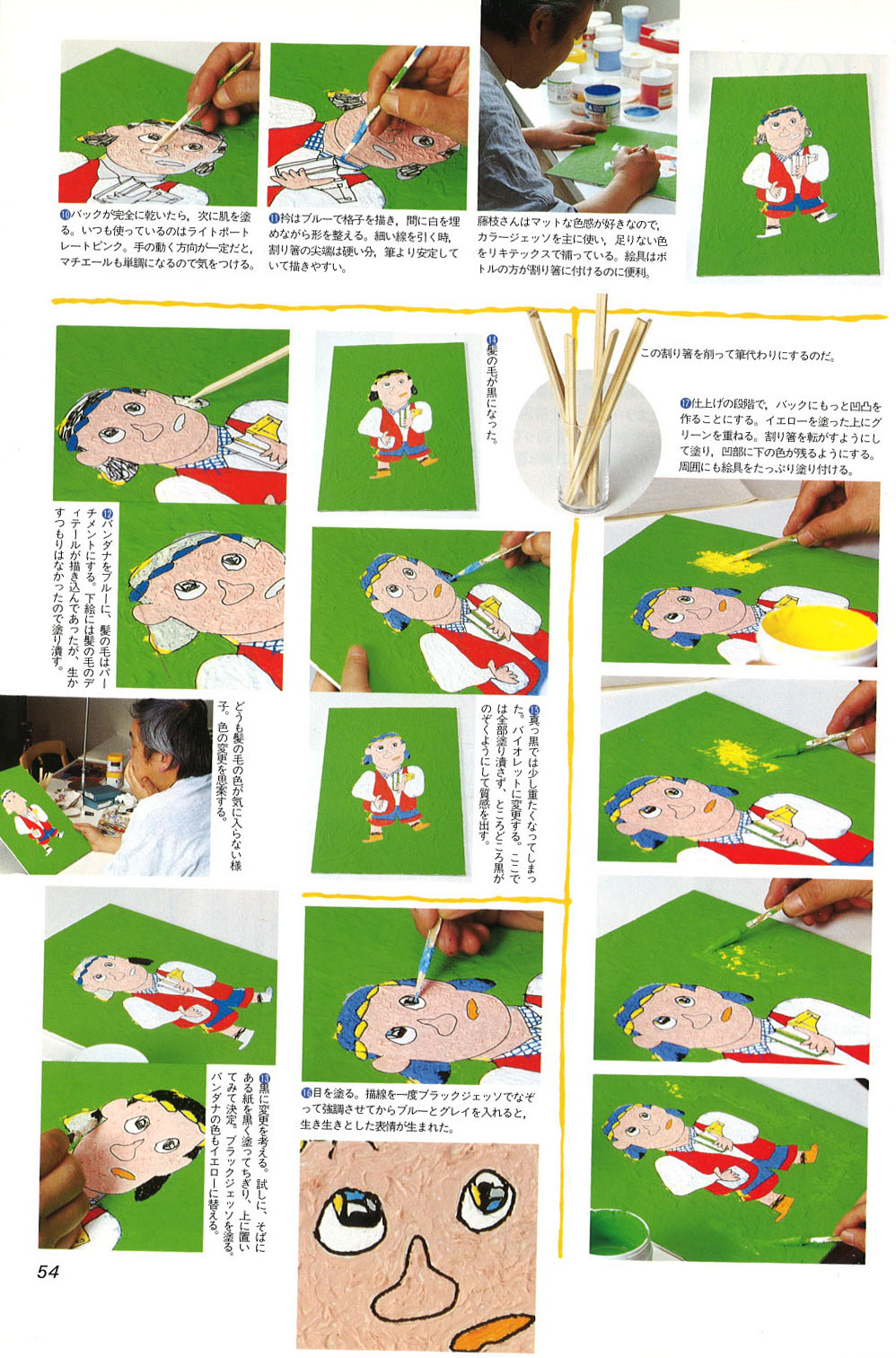
Illustration, Number 87. May 1994.
Ryuji Fujieda

Illustration, Number 75. April 1992.
Jonathan Parker.
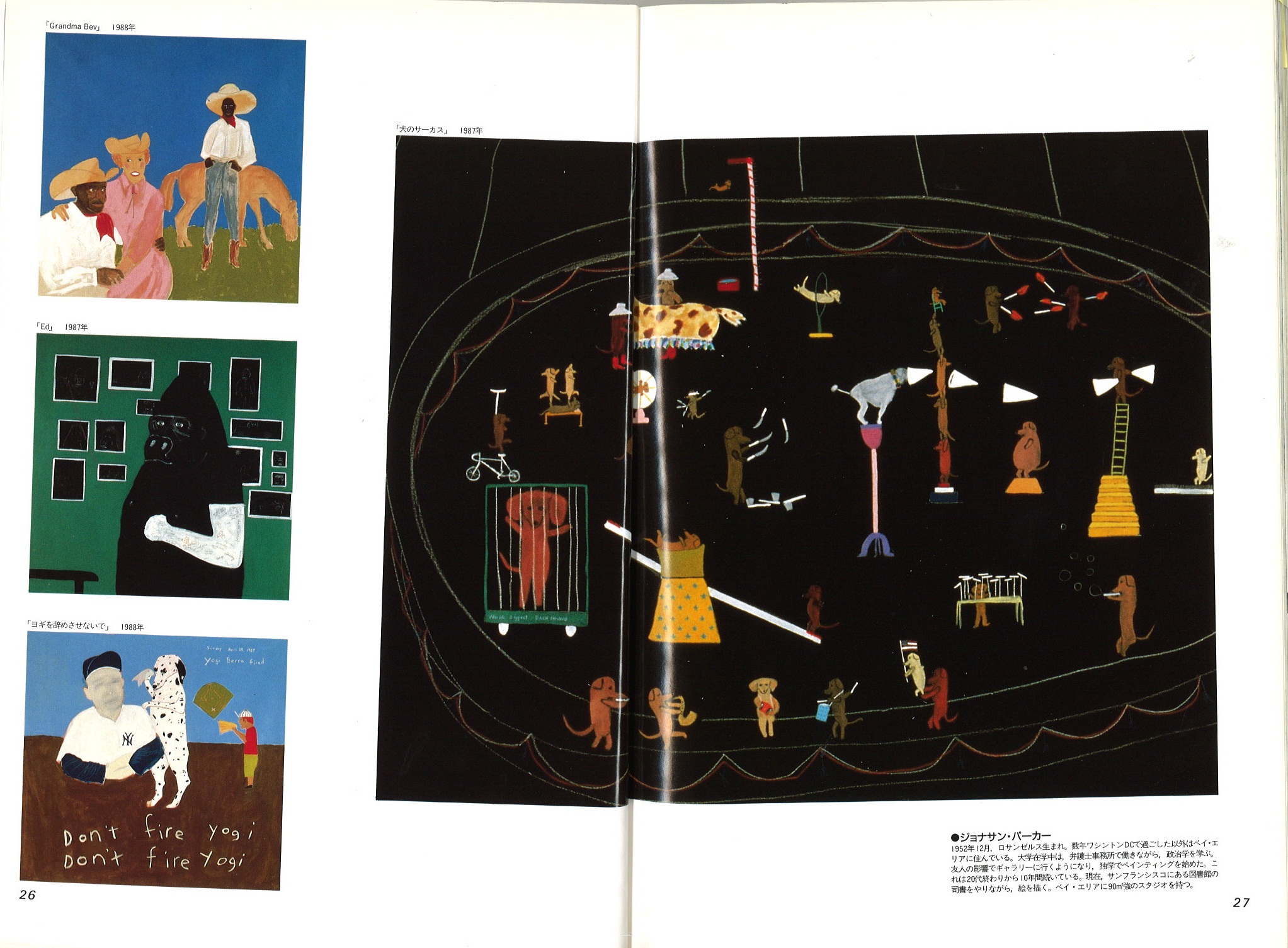
Illustration, Number 75. April 1992.
Jonathan Parker.
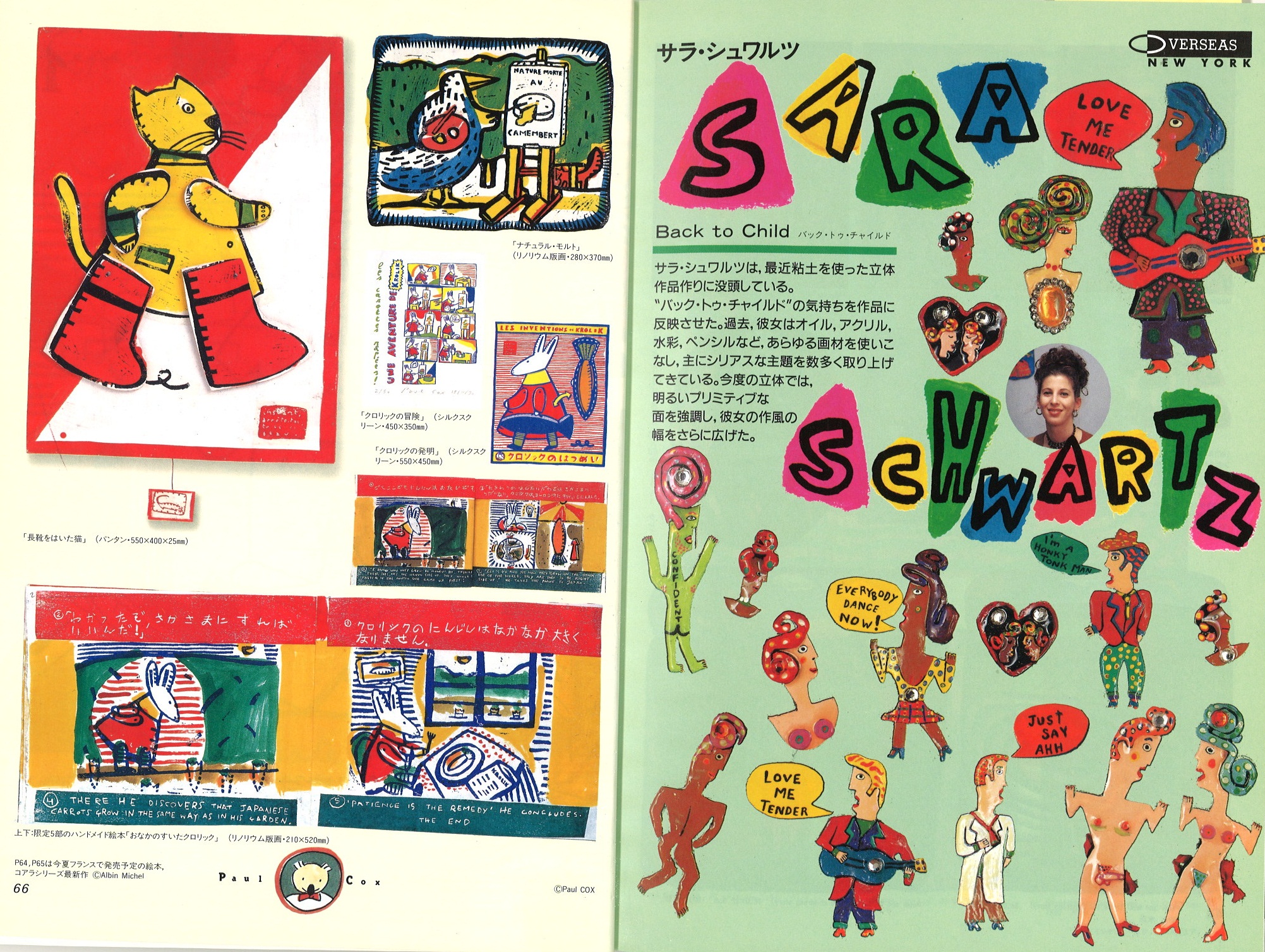
Illustration, Number 87, May 1994.
Paul Cox; Sara Schwartz.

Illustration, Number 102. November 1996.

Illustration, Number 74. February 1992.
Toshihiko Aki, Makoto Inue, Toshimitsu Uematsu, Masami Esaka, En Rico de Osaruni, Fumiko Arai.
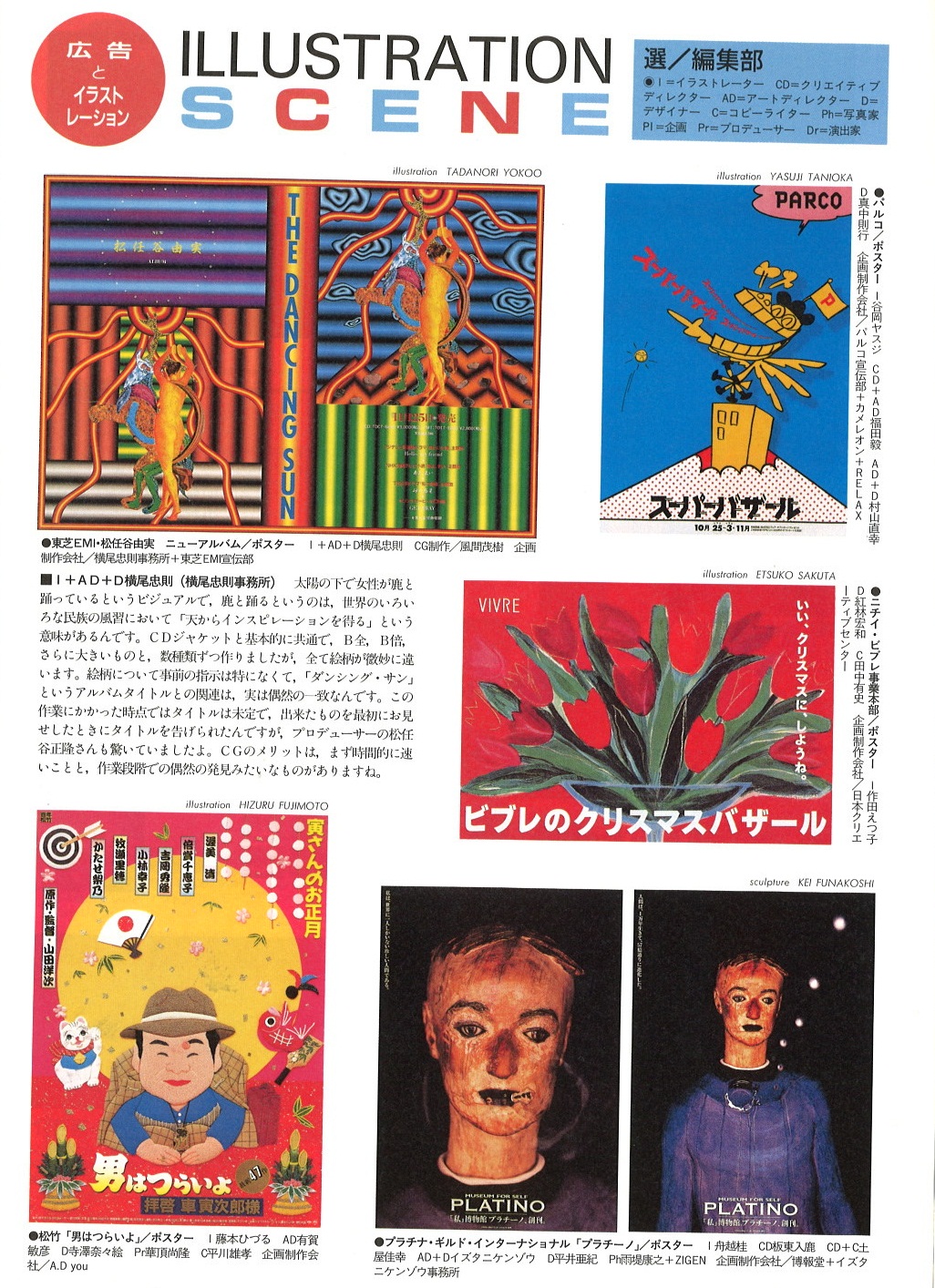
Illustration, Number 92. March 1995.
Tadanori Yoku, Yasuji Tanioka, Etsuko Sakuta, Hizuru Fujimoto, Kei Funakoshi.

Illustration, Number 84. November 1993.
Masaru Shimomura.

Illustration, Number 75. April 1992.
Teruhisu Mihara.
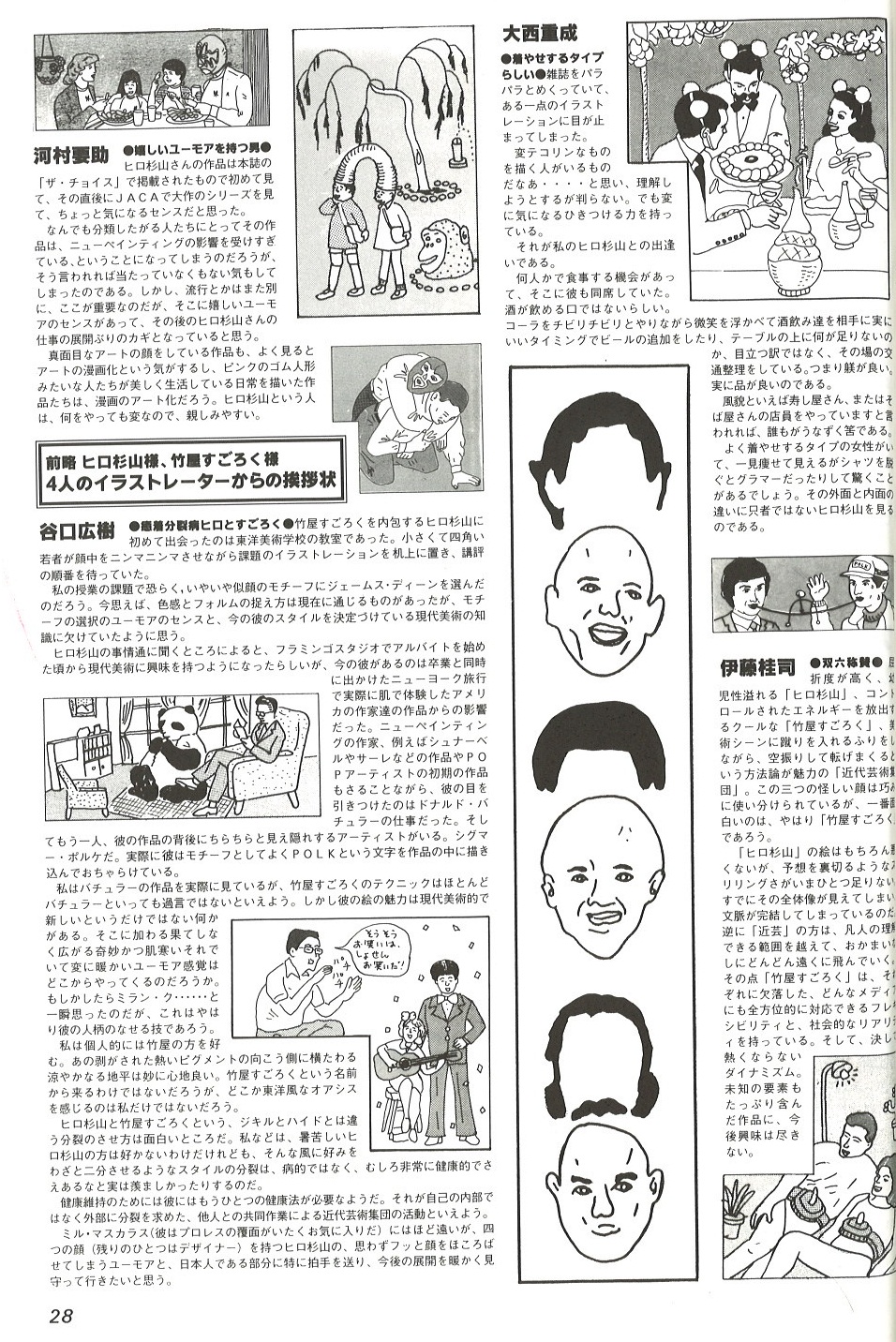
Illustration, Number 72. October 1991.

Illustration, Number 72. October 1991.

Illustration, Number 84. November 1993.
Cinefantastique
From the official Cinefantastique website:
“During a decade when many mainstream critics were dismissing THE EXORICST as sadistic pornography, and when Forest J Ackerman was filling Famous Monsters with puny puns (e.g., “A Clockwork Lemon,” referring to a malfunctioning robot in FUTURE WORLD), publisher-editor Frederick S. Clarke created a little magazine with a big ambition: to cover the genre better than anybody, and to do it with all the seriousness of Cashier du Cinema, American Film, or Film Comment.”
 For anyone fascinated by sci-fi, fantasty, or horror films riding on big dreams and a tiny budget, Cinefantastique is a goldmine. The writers do not simply dismiss their subjects as many critics are apt to do with genre films, nor do they shower their subjects with praise as in a fanzine. Cinefantastique was composed with both the genuine passion of a devoted fan and the thoughtful insight of a critic, resulting in an engaging editorial. Interviews, critiques, and in-depth explorations of special effects and prosthesis are complimented by film stills and behind-the-scenes shots on every page. There are also fantastic full-color spreads throughout, framed by well-designed layouts and text. Feature articles are prodigiously in-depth and as such have left behind invaluable sources for research and admiration relating to dozens of seminal genre films. There are very few advertisements and most are beautifully painted film posters regardless, making the magazine all the more enjoyable to read.
In 2000, Frederick Clarke, publisher since 1970, committed suicide. Mindfire Entertainment bought the magazine, renamed it “CFQ” and entirely remodeled its approach and aesthetic in an attempt to meet the demands of today’s consumer. In 2006 the last issue of CFQ was printed, and has been exclusively published online ever since.
In the periodicals section you will find 15 volumes of Cinefantastique beginning with the 4th volume, published in 1975, up until the final 2006 issue.

Cinefantastique, Volume 20, Number 05. May 1990.
She-Creature by Jackie and Paul Blaisdell
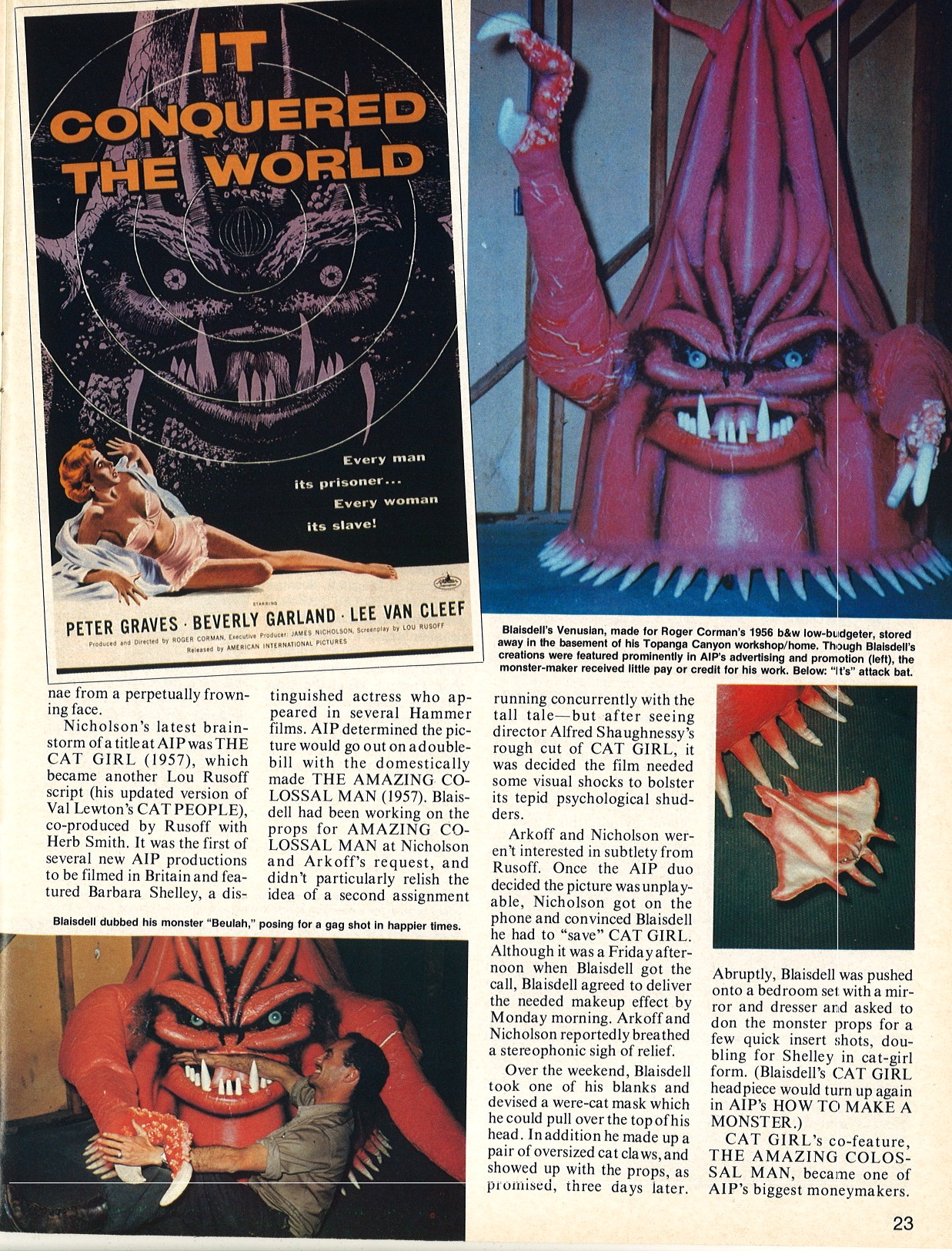
Cinefantastique, Volume 20, Number 05. May 1990.
Blaisdell’s Venusian

Cinefantastique, Volume 20, Number 05. May 1990.

Cinefantastique, Volume 6, Number 01. 1977.
Brian DePalma’s “Carrie”.
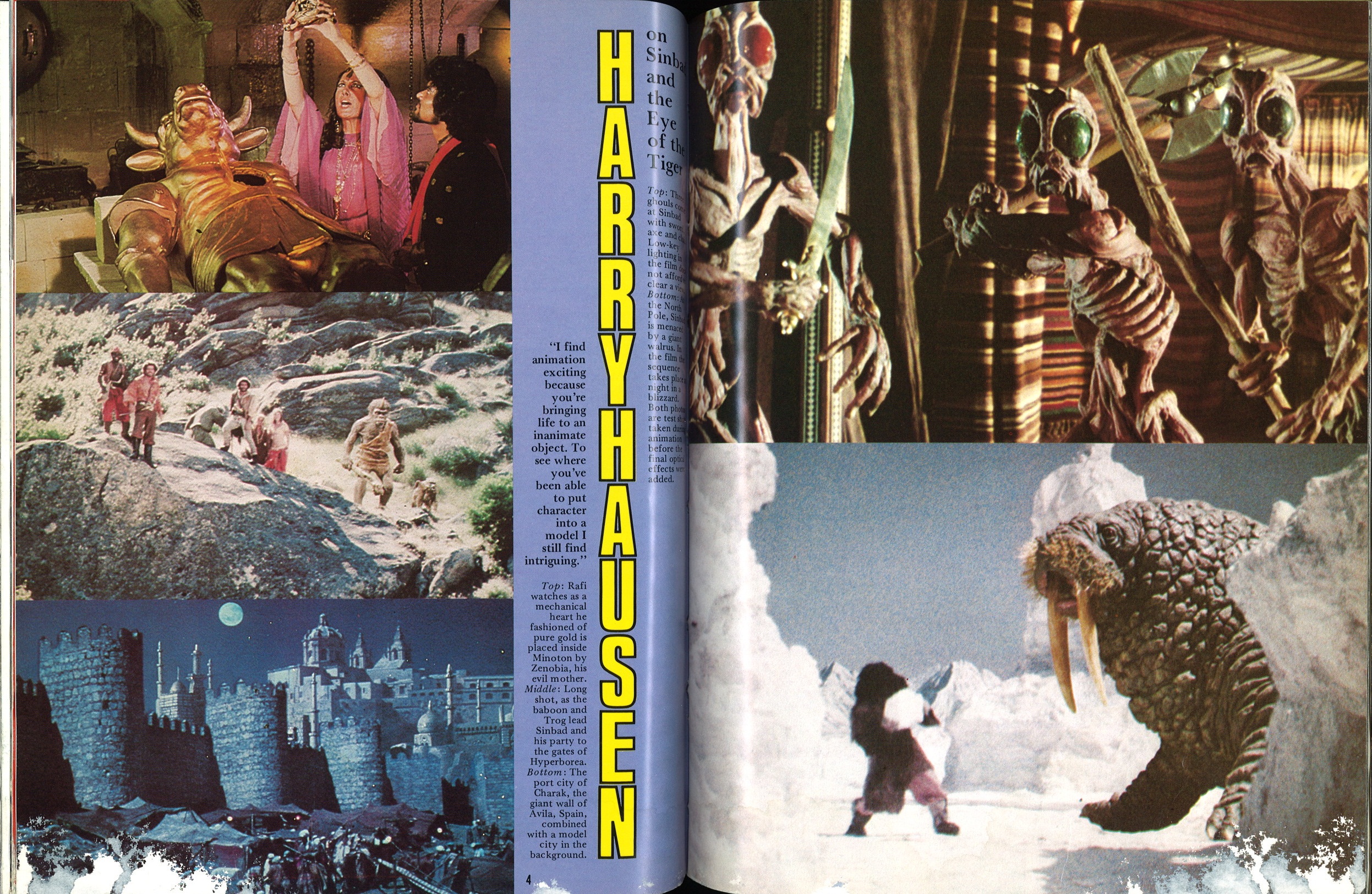
Cinefantastqieu, Volume 6, Number 02. 1977.
Stills from stop-motion films by Ray Harry Hausen.

Cinefantastique, Volume 07, Number 03. 1978.

Cinefantastique, Volume 07, Number 03. 1978.
Tom Burman’s Aliens.
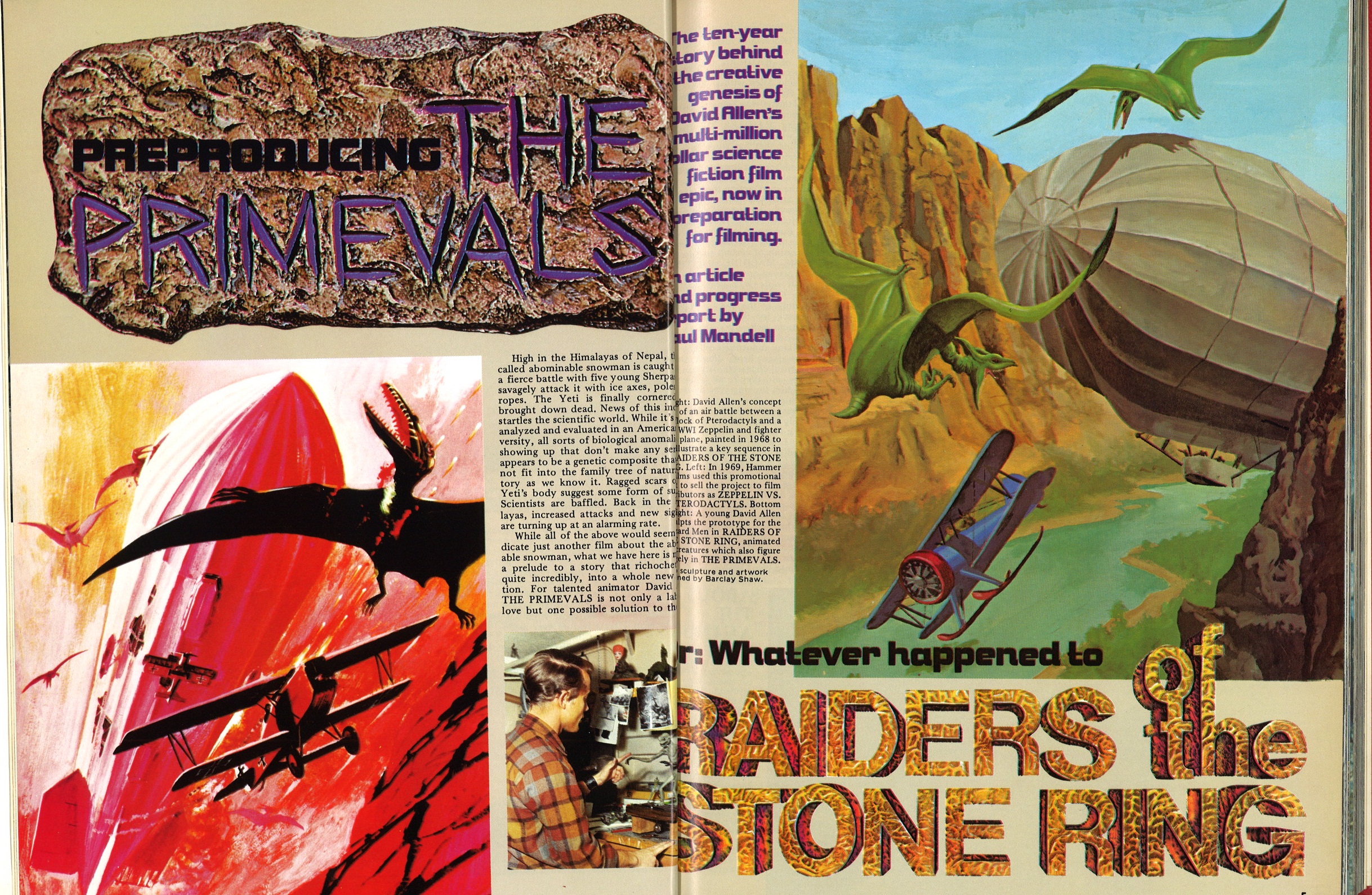
Cinefantastique, Volume 08, Number 01. 1978.

Cinefantastique, Volume 09, Number 02. 1979.

Cinefantastique, Volume 10, Number 04. 1979.
Animation in “Superman” and “Xanadu”

Cinefantastique, Volume 11, Number 01. 1981.

Cinefantastique, Volume 11, Number 02. 1981.

Cinefantastique, Volume 11, Number 02. 1981.
“Altered States”

Cinefantastique, Volume 13, Number 01. 1982.
“Creepshow”

Cinefantastique, Volume 13, Number 01. 1982.
Left: Madeline Kahn. Right: Jerry Lee Lewis.
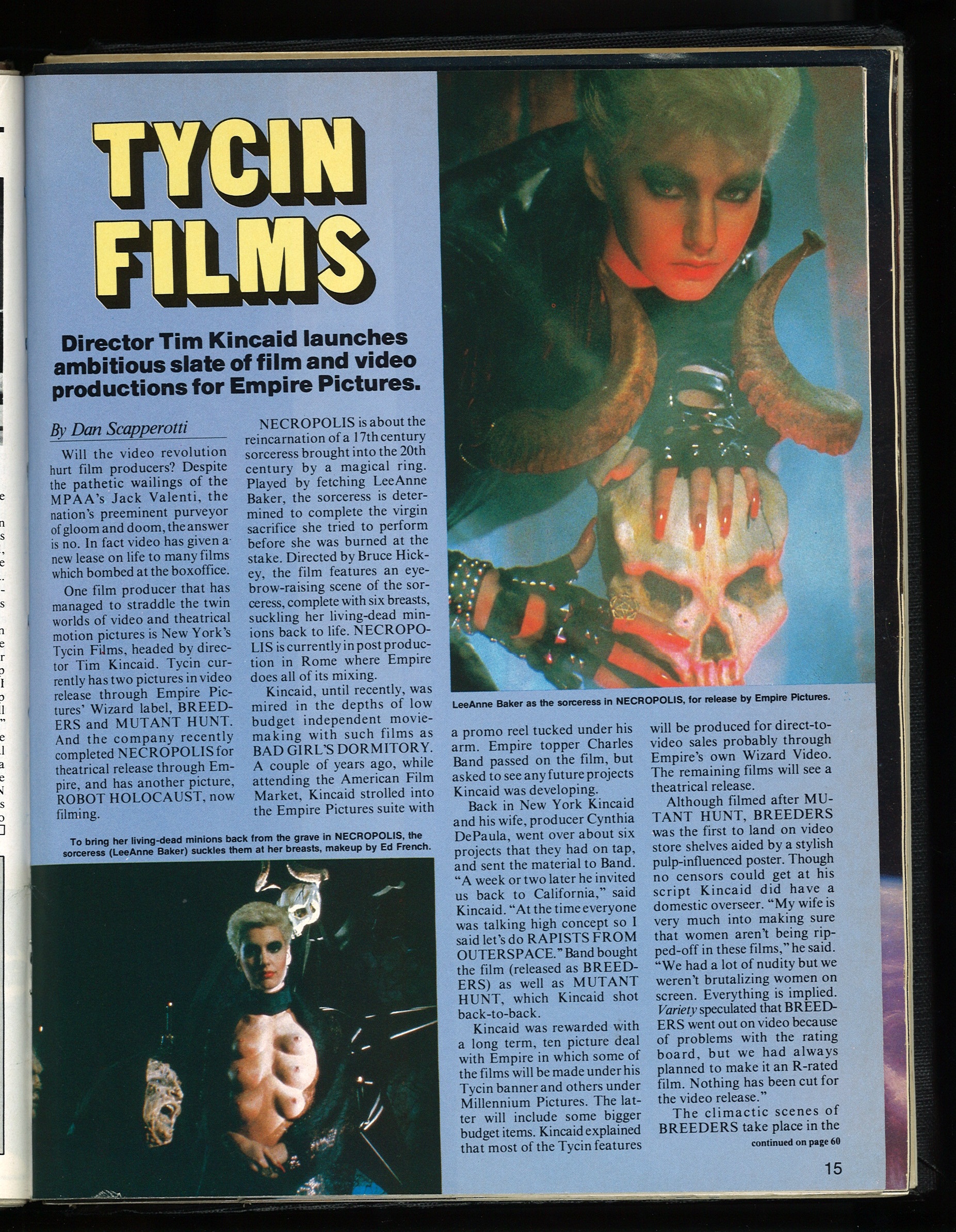
Cinefantastique, Volume 17, Number 01. 1987.
“Necropolis”
African Arts
 From the UCLA African Arts homepage:
“African Arts presents original research and critical discourse on traditional, contemporary, and popular African arts and expressive cultures. Since 1967, the journal has reflected the dynamism and diversity of several fields of humanistic study, publishing richly illustrated articles in full color, incorporating the most current theory, practice, and intercultural dialogue.”
Utilizing raw materials like straw and palm fronds, the artists represented here display an uninhibited mastery of caricature. They distort the literal human image with a sense of humor and playfulness into an iconic and sometimes frightening archetype.
Our current holdings of African Arts begin in 1976. Here are some selections from the earlier issues:

African Arts, Volume XI, Issue Number 02. January 1978.
“The Dan Masker zakpai ga from Gpapolulo. Its main function is to insure that women have put out their fires every noon during the dry season before the potentially dangerous afternoon winds begin to blow.”
Photo by Eberhard and Barbara Fischer.

 African Arts, Volume XI, Issue Number 02. January 1978.
Traditional Ndebele Beadwork.
Top Left: “A woman wearing her mapoto stands before the brightly colored murals of her house.”
Top Right: “An elderly woman wearing a Linaga decorated with a broad strip of small white beads. It has designs in the traditional red-blue-green-orange color combination.”
Bottom Right: “A maiden poses with her mother’s magnificently beaded blanket. The predominance of blue, green and black beads indicates its recent vintage.”
Photos by Suzanne Priebatsch & Natalie Knight.

African Arts, Volume X, Issue Number 02. January 1977.
“Birthday for African Arts and the united States Bicentennial.” Tito Zungu, South Africa. Ballpoint pen and koki pen on paper. 20 cm x 25 cm.

African Arts, Volume X, Issue Number 02. January 1977.
Right: “Flower composition between door and window painted to represent formalized leaves. Xhosa, near Assegai Bush, Cape Province.”
Left: “Litema motif. Sotho, near Kroonstad, orange free state.”

African Arts, Volume XI, Issue Number 03. April 1978.
“The idean lyawo, described by some as reprseenting a bride or wife, who exudes quiet dignity and refinement in her dance and costume. Her body is enveloped in folds of costly fabric, and her elaborate hairstyle is bedecked with silver and gold. Iyawo’s facial features are rendered in appliqued red cloth bisected by shiny zippers.”
IIaro, Nigeria.
Photo: Henry John Drewal.

African Arts, Volume XI, Issue Number 03. April 1978.
Egungun (masked figures)
Ikenne, Nigeria.
Photos: Klindt Houlberg.
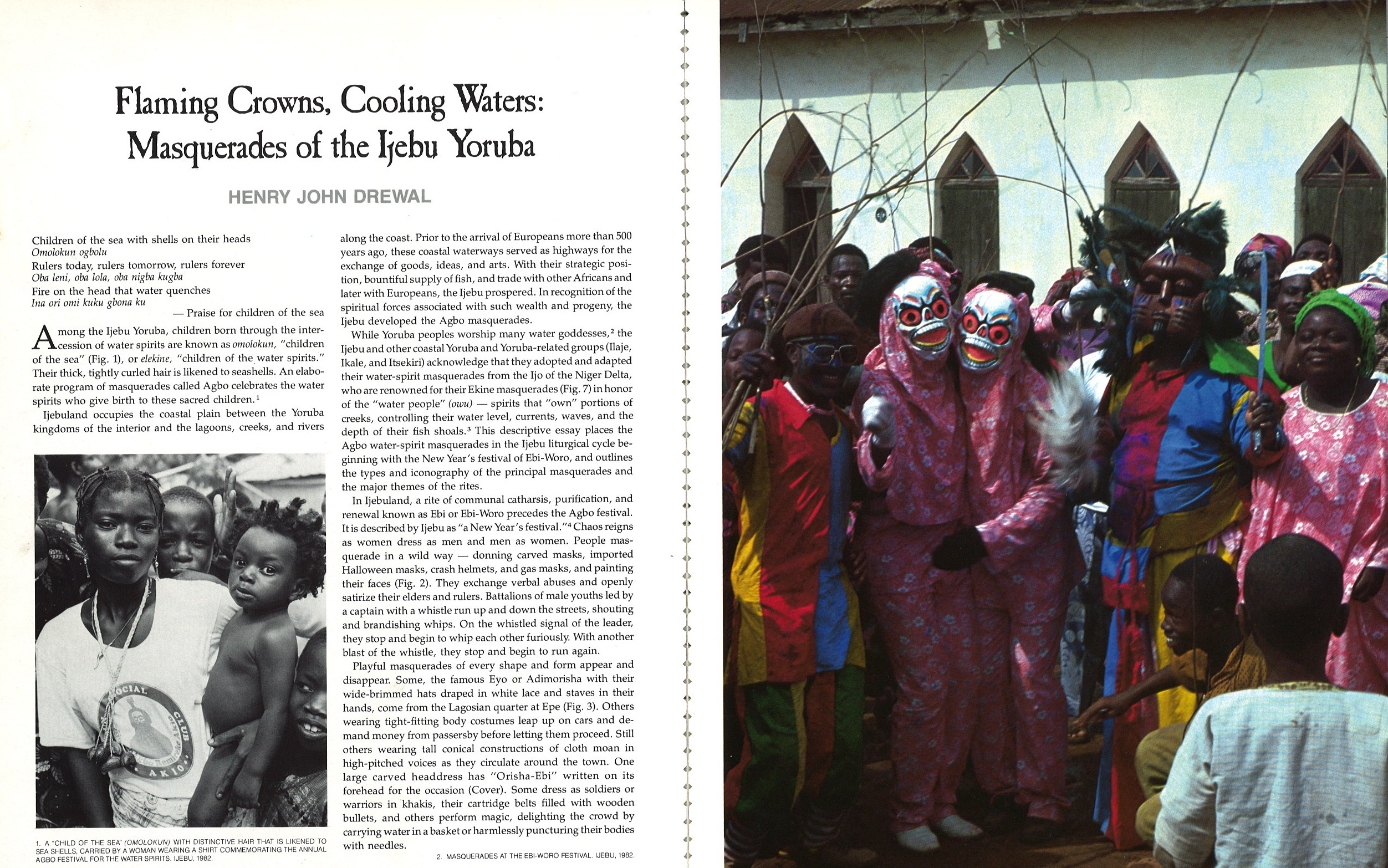
African Arts, Volume XX, Issue Number 01. October 1986.
Right: Masquerades at the Ebi-Woro Festival. Ijebu, 1982.
Photos: Henry John Drewal.
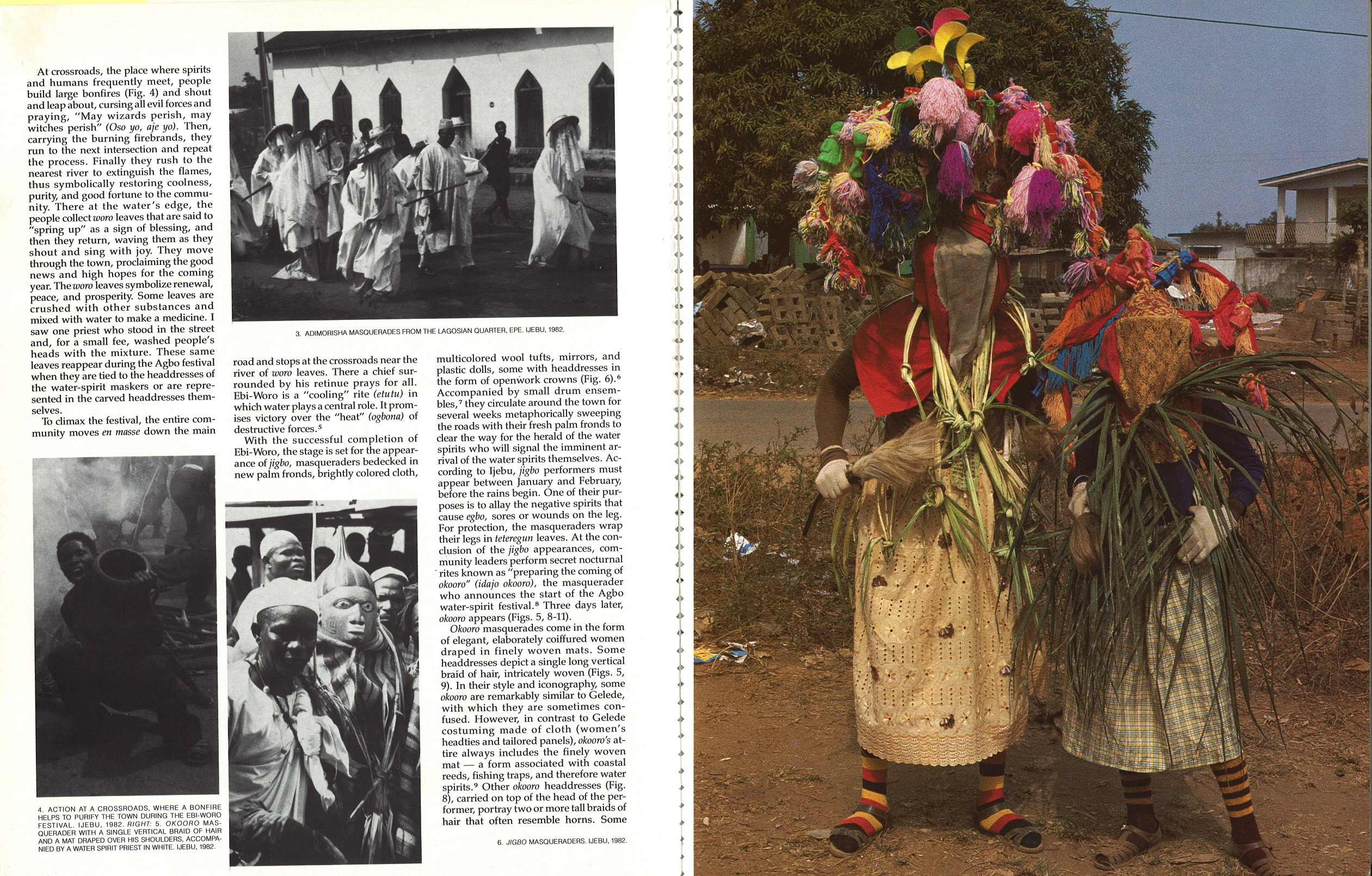
African Arts, Volume XX, Issue Number 01. October 1986.
Right: Jigbo Masqueraders. Ijebu, 1982.
Photos: Henry John Drewal.
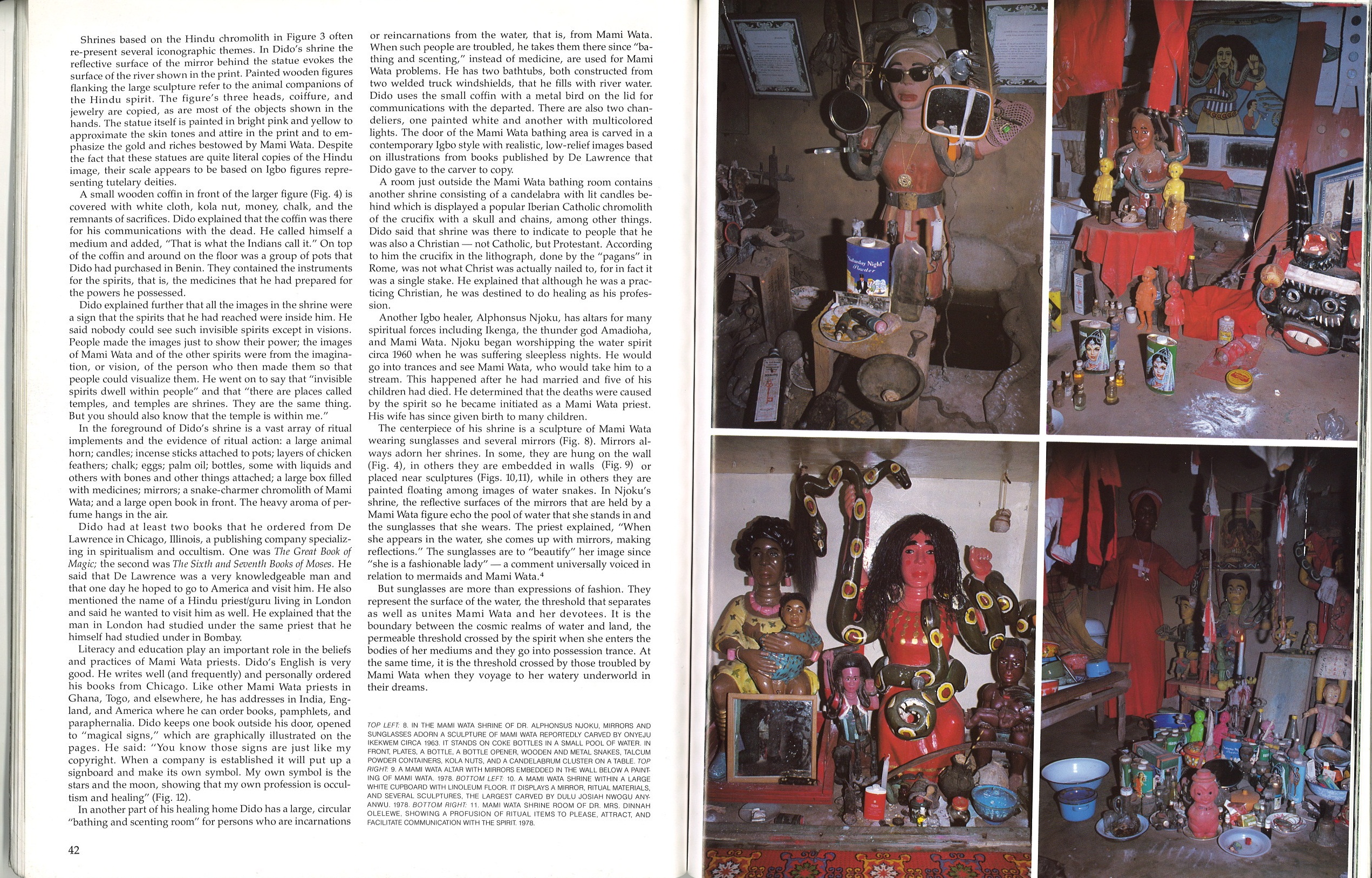
African Arts, Volume XXI, Issue Number 02. February 1988.
In the Mami Wata Shrine of Dr. Alphonsus Njoku.
Photos: Margaret and Henry Drewal.
In Today’s Mail — April 11, 2013

Focused on architecture and design, we have Volume starting with n. 28 (2011) n. 3 (2005), missing only issues 7, 14, and 22. In today’s mail is no. 35. This is one of those titles that I wish we would have started from the beginning (2005). It’s academically heady, but also attractive and fun. Actually, I hope to go after all of the back issues at some point. Happily, I recently acquired all available back issues.
Each iteration has a theme. This one is (from the table of contents page):
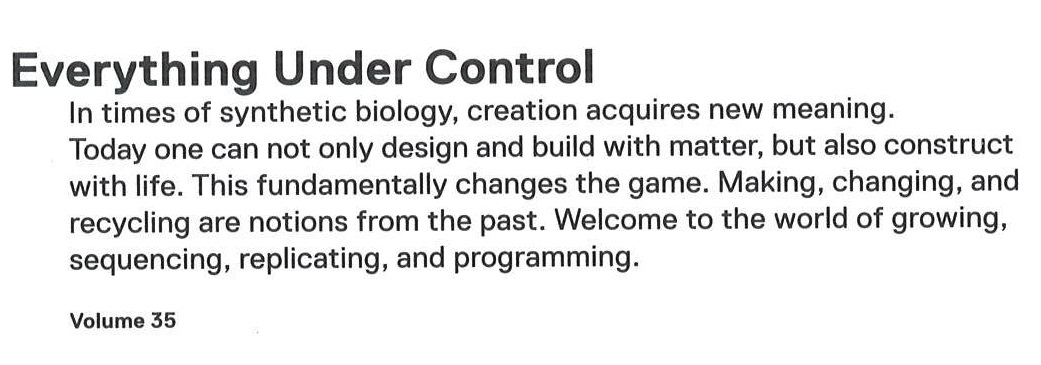
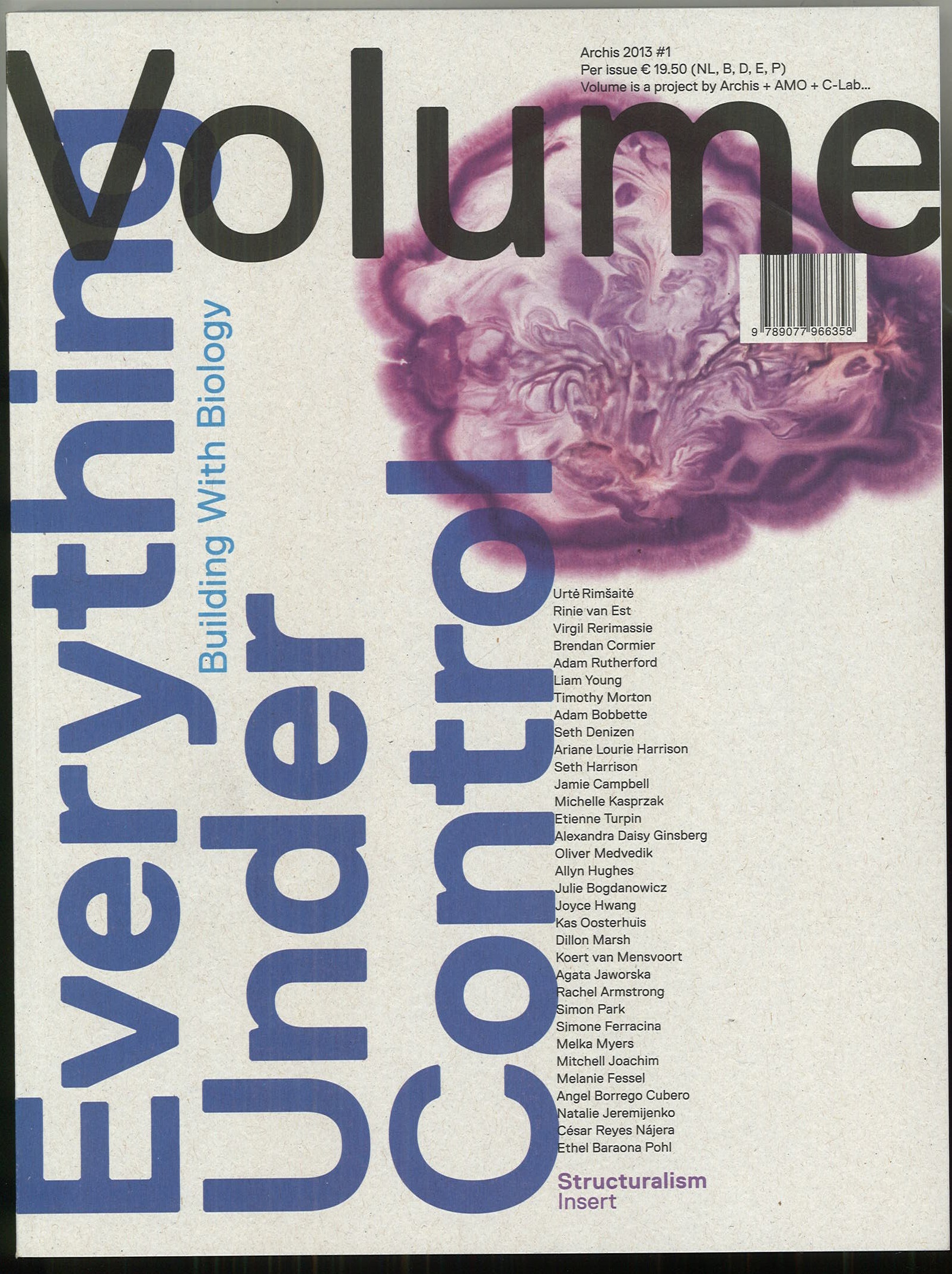
Volume 35 (Spring 2013) Front Cover
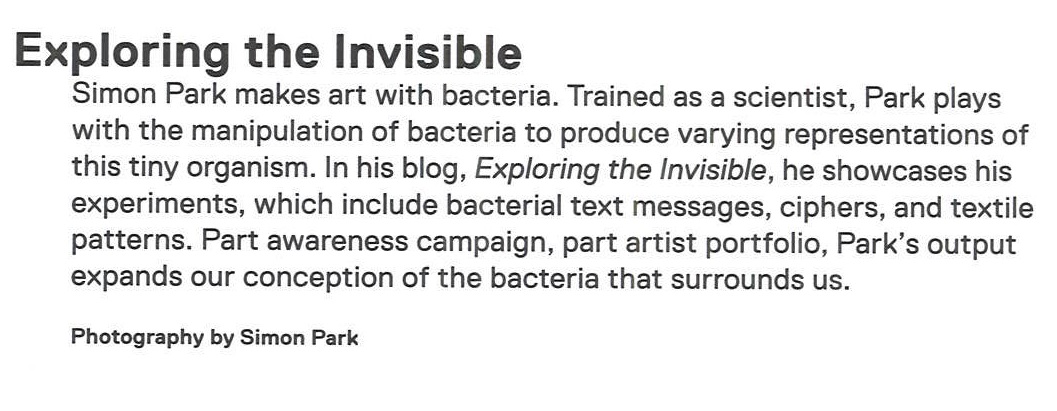
Simon Park’s Blog: Exploring the Invisible
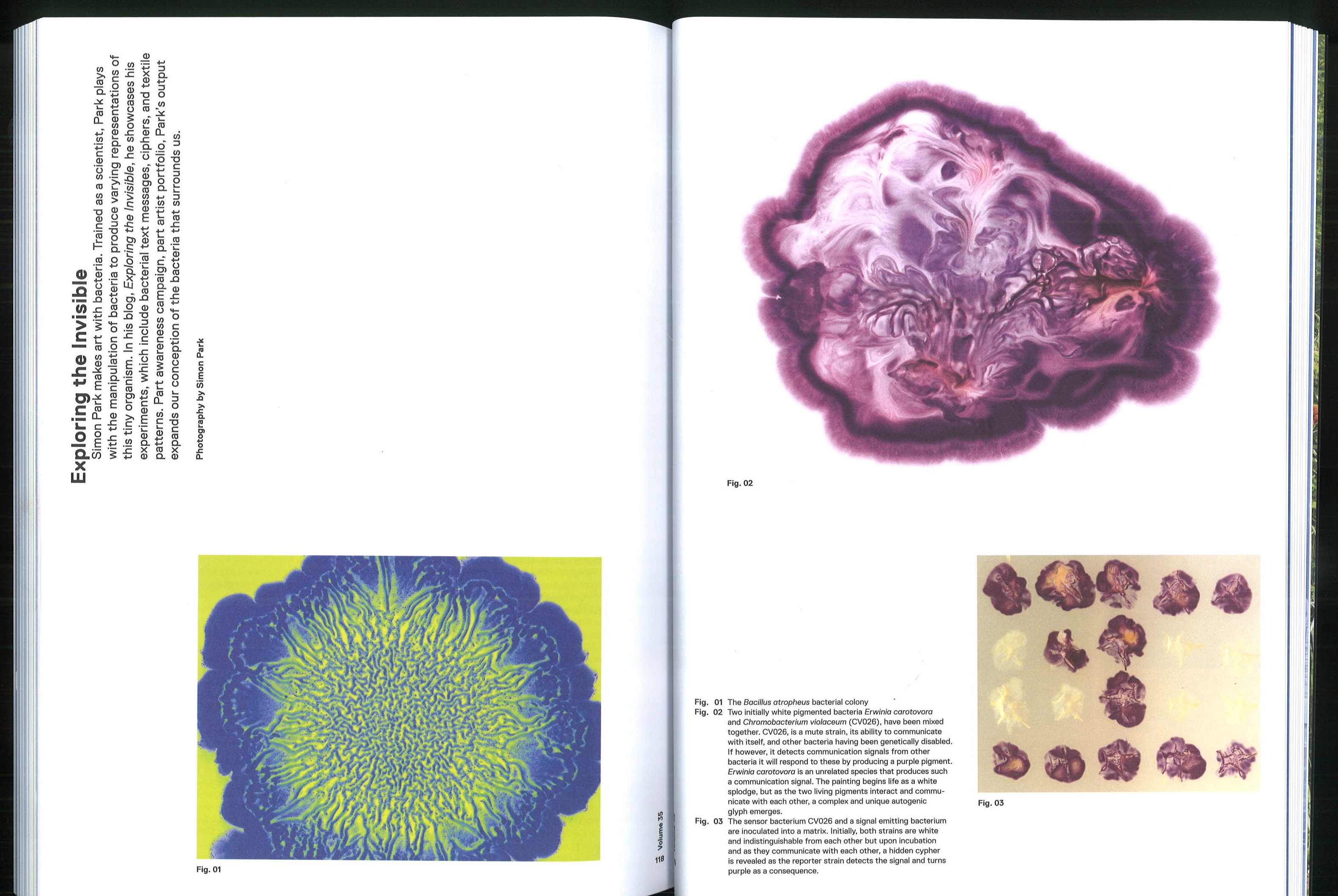

Text made solely from living bacteria!!!

 SVA Library Picture & Periodicals Collections