Author Archives: Periodicals/Reference Librarian
Help Wanted!!

I need 2 enthusiastic, detail-oriented, creative, fun individuals to assist me in the Periodicals and Pictures Department (the subjects of this blog. Incidentally, if you read this blog you already have an advantage over your competition.) I am looking for people who can start soon, will work most of the summer, and will stick with me until they graduate.
Job functions include:
Mounting Pictures for inclusion into the collection
Processing and putting out new periodicals
Organizing the back stacks
Checking in circulated pictures
Making displays to promote both collections
Various tasks as needed
Please come to the library and give me (David Pemberton) a resume and cover letter. If I’m not around, drop it off for me, but try to come back later and introduce yourself.
Movie: “Reasoned Disagreement About Films in Britian”

Sometimes understatement and subtlety can backfire, especially when it is used for something as permanently identifying as a periodical’s title. Apparently referring to the word ‘film,’ V.F. Perkins wrote in a tribute to Ian Cameron (Cameron was the founder, designer and editor of Movie and Perkins an associate editor) that “the vulgar Americanism of the word gave it shock value and a pronounced identity.” Maybe that was true in 1960’s Oxford, England, but these days it’s just a really generic name that easily gets lost in our vast information shuffle. But it shouldn’t. Movie is a wonderful film magazine that took its cue and influence from the French Cahiers du cinéma.

Left: Back cover of issue 2, Blake Edward’s EXPERIMENT IN TERROR. Right: Front cover if issue 3, Emmanuele Riva in THERESE DESQUEYROUX
For Movie, criticism stems from, and is the logical conclusion of, the fanaticism that the writers and editors share for film. They write about movies and directors that they are really passionate about. They have a pluralistic philosophy when it comes to criticism. Much of the motivation for starting the magazine was the disenchantment they felt for established film criticism, which they felt tried to insinuate that there is one official stance when it comes to films and filmmakers. In the opening editorial of issue #1 (June 1962) they proclaimed “there is no point in replacing one cult with another. Instead we would like films to be the subject of enthusiastic argument in which our approach would only be one of many.” Despite all this, Movie had some very specific ideas about what is good and what is less so, as demonstrated in this histogram (also from issue #1):

As you can see it’s a list of directors, not writers, actors, producers, or cinematographers. Movie was interested (in the least) with the Auteur Theory of film criticism. First written about in a 1954 article by Francois Truffaut in Cahiers du cinéma, the Auteur Theory asserts that the director is (or should be) considered the author of a film. There is a nice little history of the theory by Donald E. Staples in Cinema Journal, Vol. 6, (1966 – 1967), pp. 1-7 (which you can access through JSTOR).
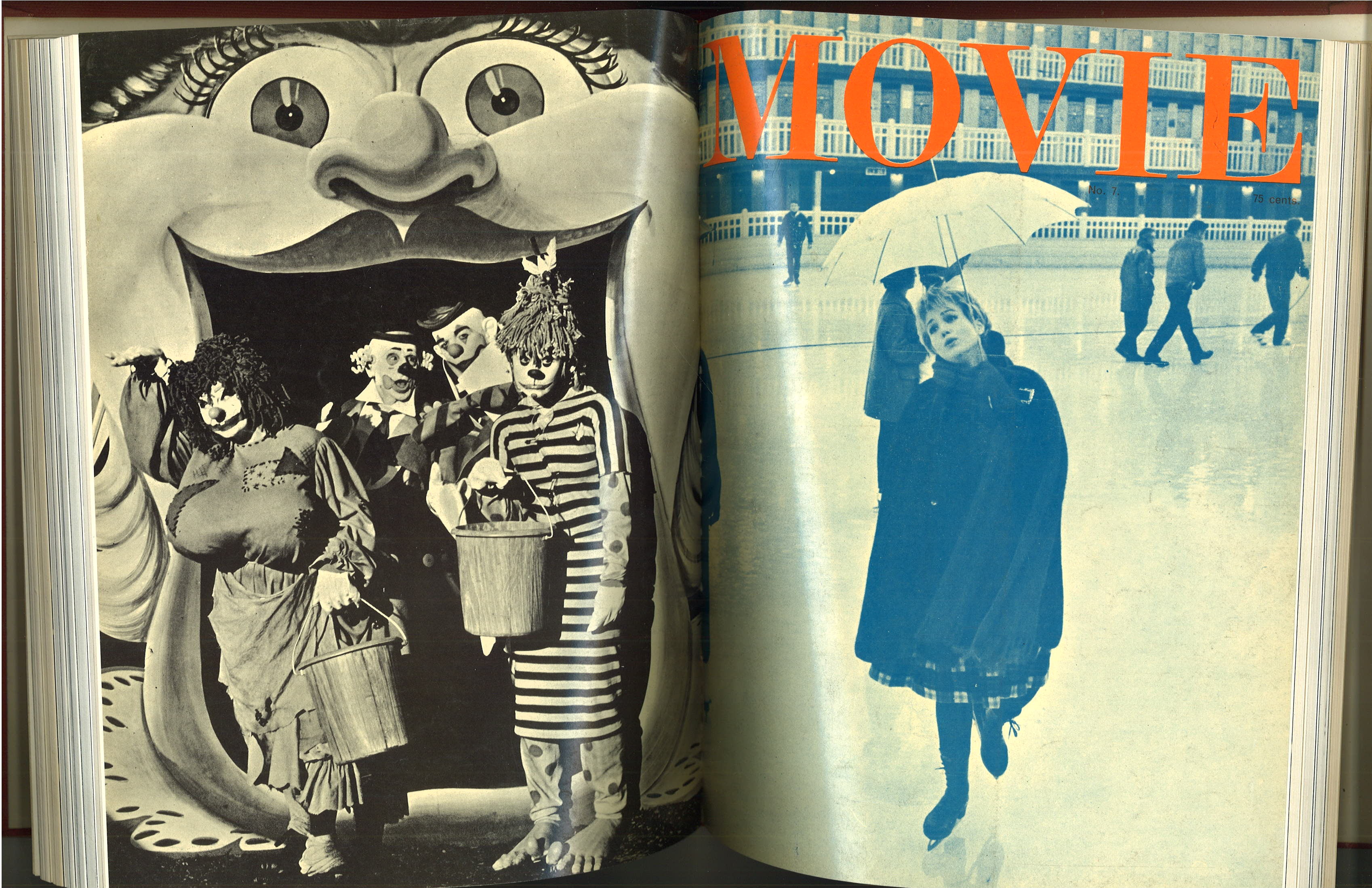
Left: The four stars of “Jumbo” Right: Mylene Demongeot in Michel Deville’s “A cause, a cause d’une femme”

You can find Movie in our back periodical stacks (dial M for Movie). Over it’s history the publication frequency was erratic, punctuated by frequent hiatuses, but they persisted for 29 years. We have 28 years: no.1(1962:June)-no.34/35(1990:Winter) (I believe they ceased publication with no.36 in 1991). If you take some time to read the densely packed, but artfully designed issues, you will find in-depth interviews with a vast array of filmmakers, and gobs of writing on closely analyzed moving images captured on celluloid. Ian Cameron was a well respected film critic, who apart from having this lovely mag as his periodic child, also wrote many books on film and helped England catch up with the (at the time) more cutting edge France and even the USA. It is a rich addition to our periodical collection. I’ll leave you with a couple more images from the magazine:

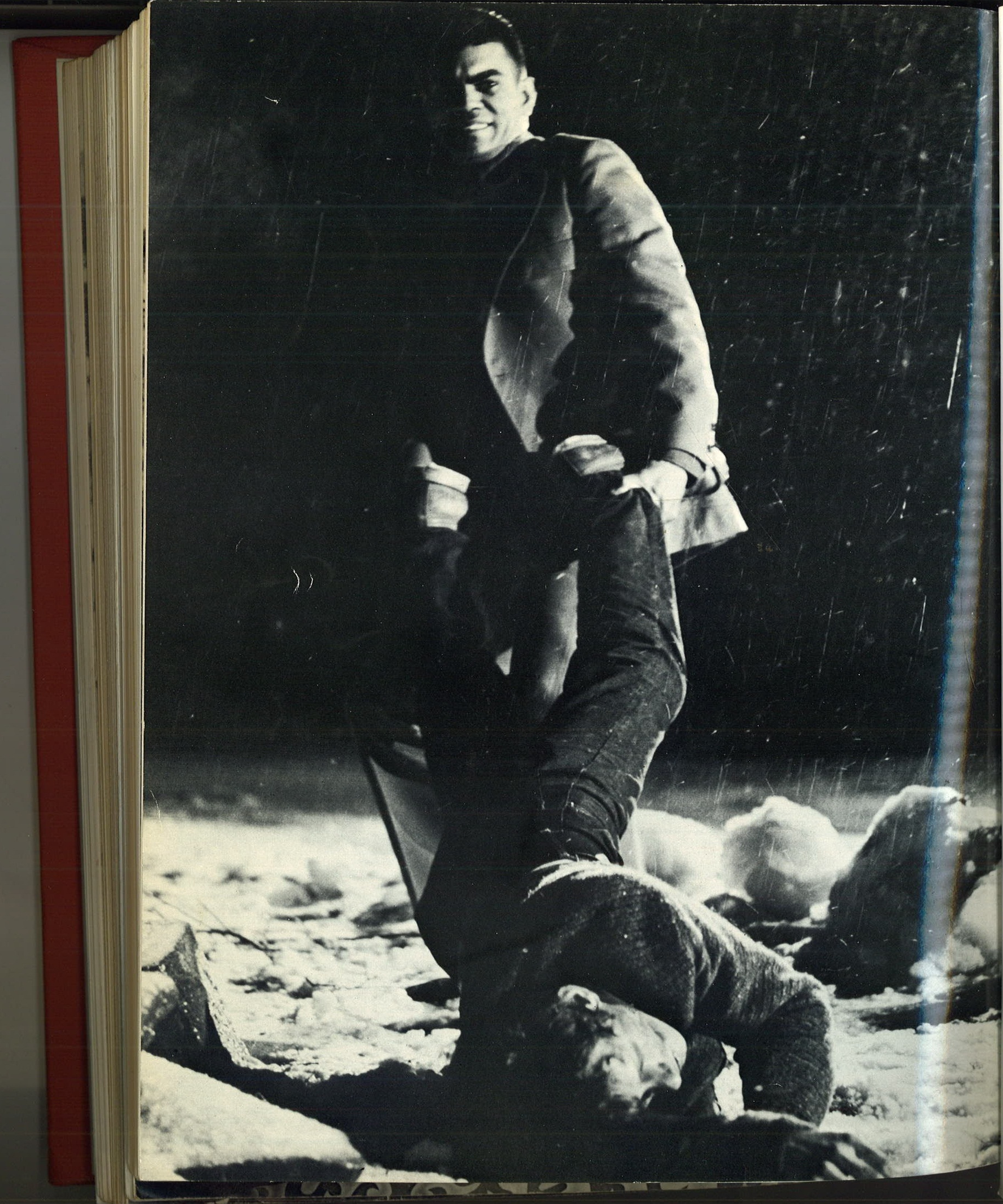
Right: Nagisa Oshim’s “The Hanging” Left: Sterling Hayden in Ruy Guerra’s “Sweet Hunters”
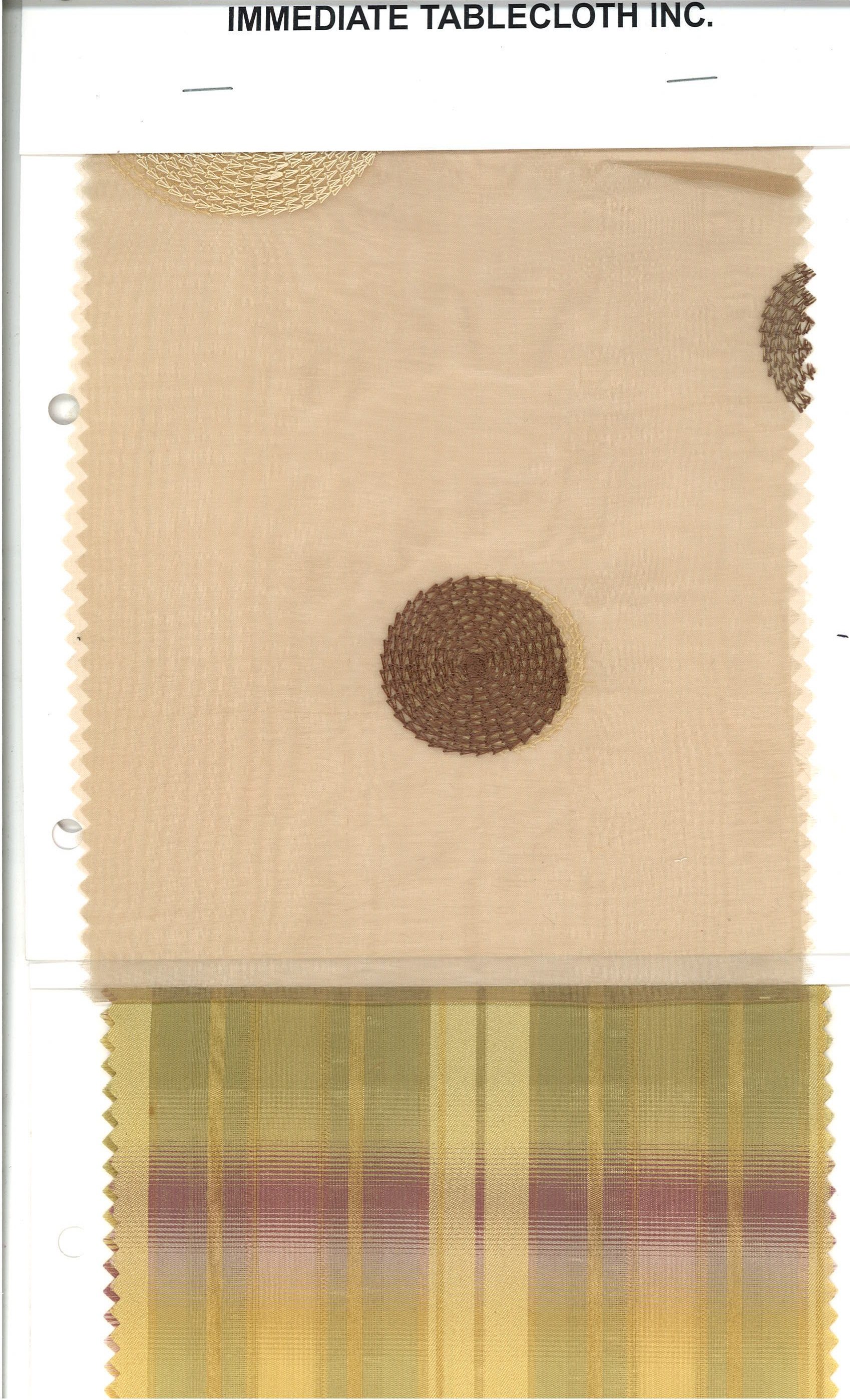
FABRICS & SEWING — FABRIC SAMPLES
Not Ideas About Things But The Thing Itself
At the earliest ending of winter,
In March, a scrawny cry from outside
Seemed like a sound in his mind.
He knew that he heard it,
A bird’s cry, at daylight or before,
In the early March wind.
The sun was rising at six,
No longer a battered panache above snow…
It would have been outside.
It was not from the vast ventriloquism
Of sleep’s faded papier-mache…
The sun was coming from the outside.
That scrawny cry–It was
A chorister whose c preceded the choir.
It was part of the colossal sun,
Surrounded by its choral rings,
Still far away. It was like
A new knowledge of reality.
–Wallace Stevens
A subcategory of FABRICS & SEWING, FABRIC SAMPLES is unique to its 909 other cousin subjects in this Picture Collection family. Why? Because these are not visual representations of fabric samples, they are fabric samples. Now, that doesn’t mean that through photocopying, scanning, or rendering their likeness with your hand that you cannot transform these textured colors and colored patterns into pictures, or otherwise appropriate their likeness for your own creative ends. In fact, this is all just an invitation to do just that. Examples and examples follow:



Incidentally, you can find the above, and many other Wallace Stevens poems, in your library:
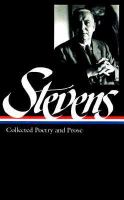
| Location: | Main Stacks |
|---|---|
| Call Number: | PS3537.T4753 A6 1997 |


Film Dope

The Visual Arts Library recently acquired most of the dope:
Film Dope no.7(1975:Apr.)-no.50(1994:Apr.) We are missing the first 6 issues, and I believe no.50 is the last issue (I know it ceased some time in 1994). This is a British publication, the obsessively fussed over, though sometimes neglected love-child of David Badder & Bob Baker (Markku Salmi is credited as a co-editor on issue 7, but not after).
What is the Dope? Each issue of Film Dope provides information on 30 to 40 directors, actors, cinematographers, and writers. An exhaustive list of credits (mostly film and television, but also commercials) is given for each person that they profile. Now, if that is all that Film Dope provided, I would have not felt that it needed to take up precious space on our periodical shelves (even though they are beautifully bound, have great front and back covers, and a goodly number of production stills).
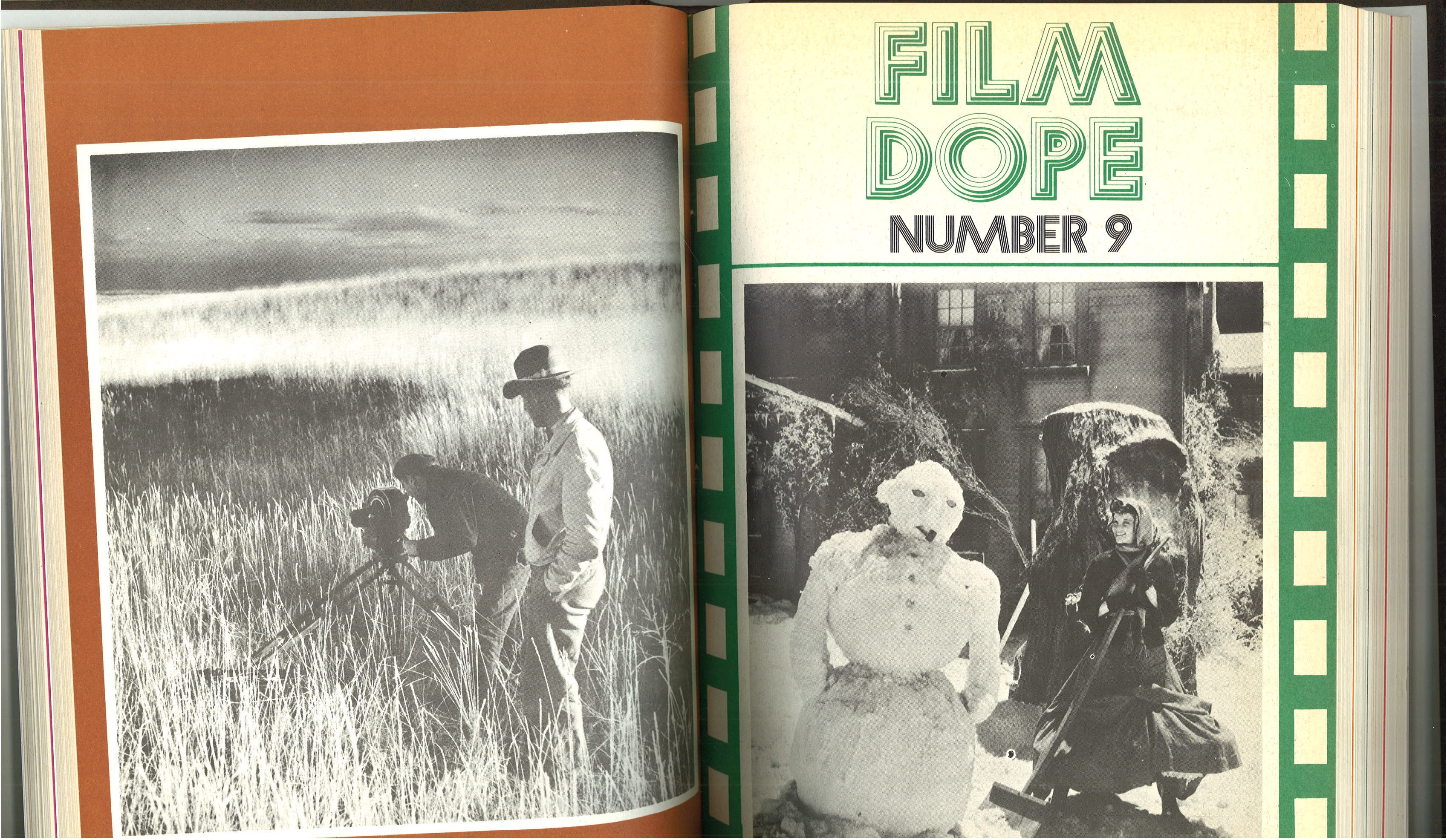
Left: Back cover of issue 8 credited in the following Manner: “A mystery-still. It’s officially described as ‘Pare Lorentz filming THE RIVER’ but from the look of the location, it could as easily be THE PLOW THAT BROKE THE PLAINS. We sent a copy to Floyd Crosby who commented ‘I don’t know what picture this is from. The man on the right could be Lorentz but doesn’t look like him to me. The man with the beret and the Akeley camera is certainly not me.’ Anyone else got an idea? Right: Katherine Hepburn in George Cukor’s LITTLE WOMEN

Right: Jeanne Moreau and Stanley Baker in EVE (1962) Left: Boris Karloff in THE MASK OF FU MANCHU (1932)
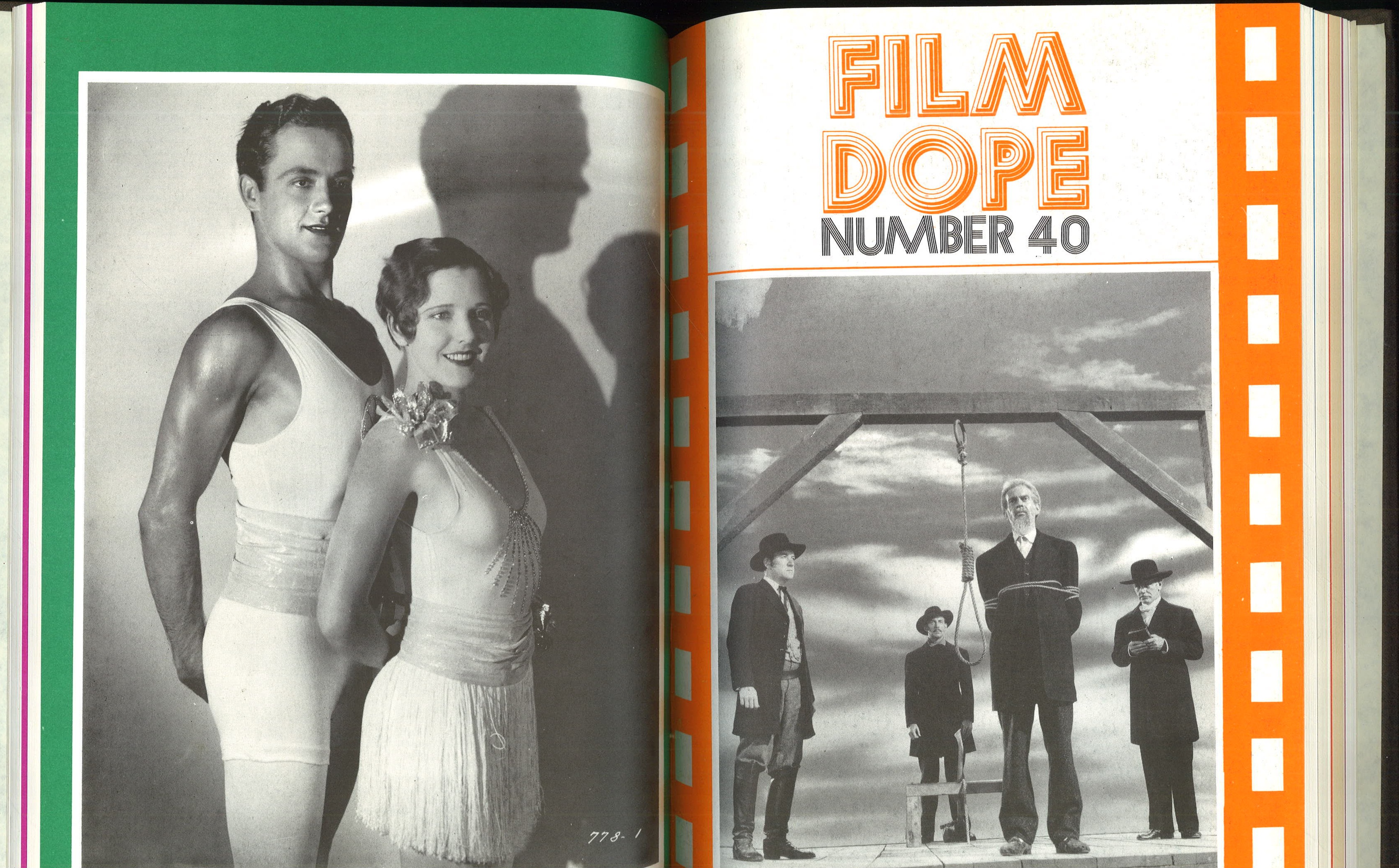
Right: Charles Rogers and Jean Arthur in HALF-WAY TO HEAVEN (1929), d. George Abbott. Left: Addison Richards (left), Raymond Massey in SANTA FE TRAIL (1940). Production still by Mac Julian.
If credits were all that Film Dope offered, IMDB and Wikipedia would have rendered this fine publication obsolete. What keeps this publication relevant, endearing, and worth having around are its format, its subjectivity, and its rich collection of primary sources of information.
Issue 7 (April 1975) includes the following entries: Paddy Chayefsky, Nikolai Cherkasov, Maurica Chevalier, Marvin Chomsky, Montgomery Clift, Sean Connery and 33 others. Issue 50 (April 1994) includes the following entries: Al Pacino, Jack Palance, Dorothy Parker, Robert Parrish, Charles Parrott, Christine Pascal. The twenty years between those two issues chronicled people with last names that started with D to O. Sadly, they would never make it to R-Z, but what we are left with is a periodical that over the span of twenty years morphed into an encyclopedia. During that time they went from thanking the British Film Institute staff for “their patience and assistance” to thanking them “for [their] continuing financial assistance.” Obviously they were creating something of apparent value.
David Badder & Bob Baker were two very dedicated, knowledgeable, and intelligent chaps, and it is their input and discretion that gave a value-added aspect beyond free online sources before they even existed. Many of the issues include an editorial (which normally offers some apology for how long its been between issues). But their real editorial influence is both in the amount of time they chose to give to each subject and the very personal opinions that they have of almost everyone chronicled. Normally, out of the 30 or so people featured, a handful have a more extensive narrative biography, along with an interview, reprinted correspondence and/or reflections from peers. These are the primary sources of information I was touting earlier. Some of the interviews, such as with the director Louis Daquin, go on for ten dense pages. Other entries are little more than the credits, but more often than not include some sort of anecdotal information and very personal, though meaningful opinions, such as Bob Baker’s of Julie Christie:

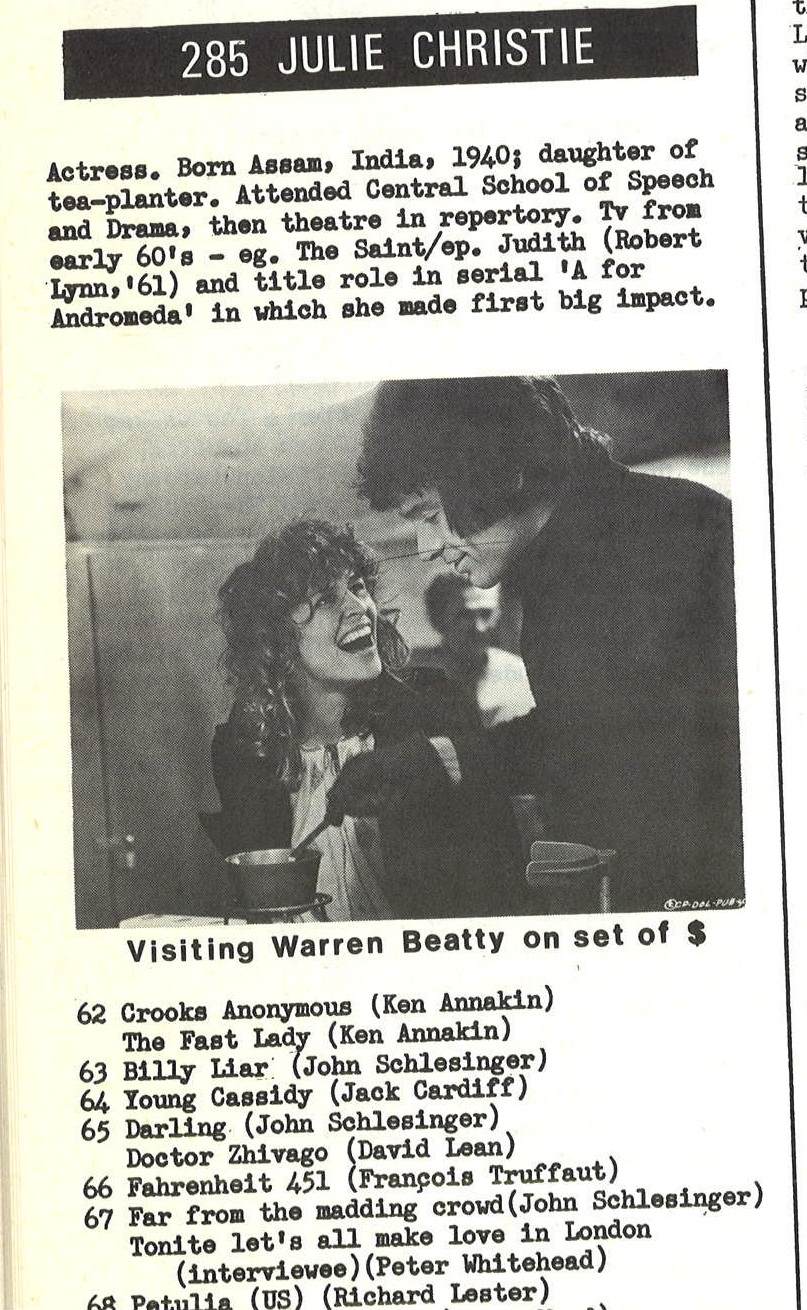
After lauding and defending Julie Christie, the ever honest film critic/hound is forced to admit, “I can’t ever imagine her moving me very deeply. I am at a loss to account for this and hope to be proved wrong very soon.” It’s informative but deeply subjective and gives a contemporaneous context of critical reception and in this case emotional barometer.
The people that made it to these issues, though impressive in scope, are obviously not exhaustive of everyone that worked in the motion pictures in England and the USA up to that point. But the fact that it is limited and now static, lends the publication a curatorial quality. The scope is, however, quite large (say, maybe 1200 people in our 43 issues) and full of variety (from Bob Clampett to Boris Karloff). Film Dope is a marvel and a joy, not to mention a rich, important resource for film research.

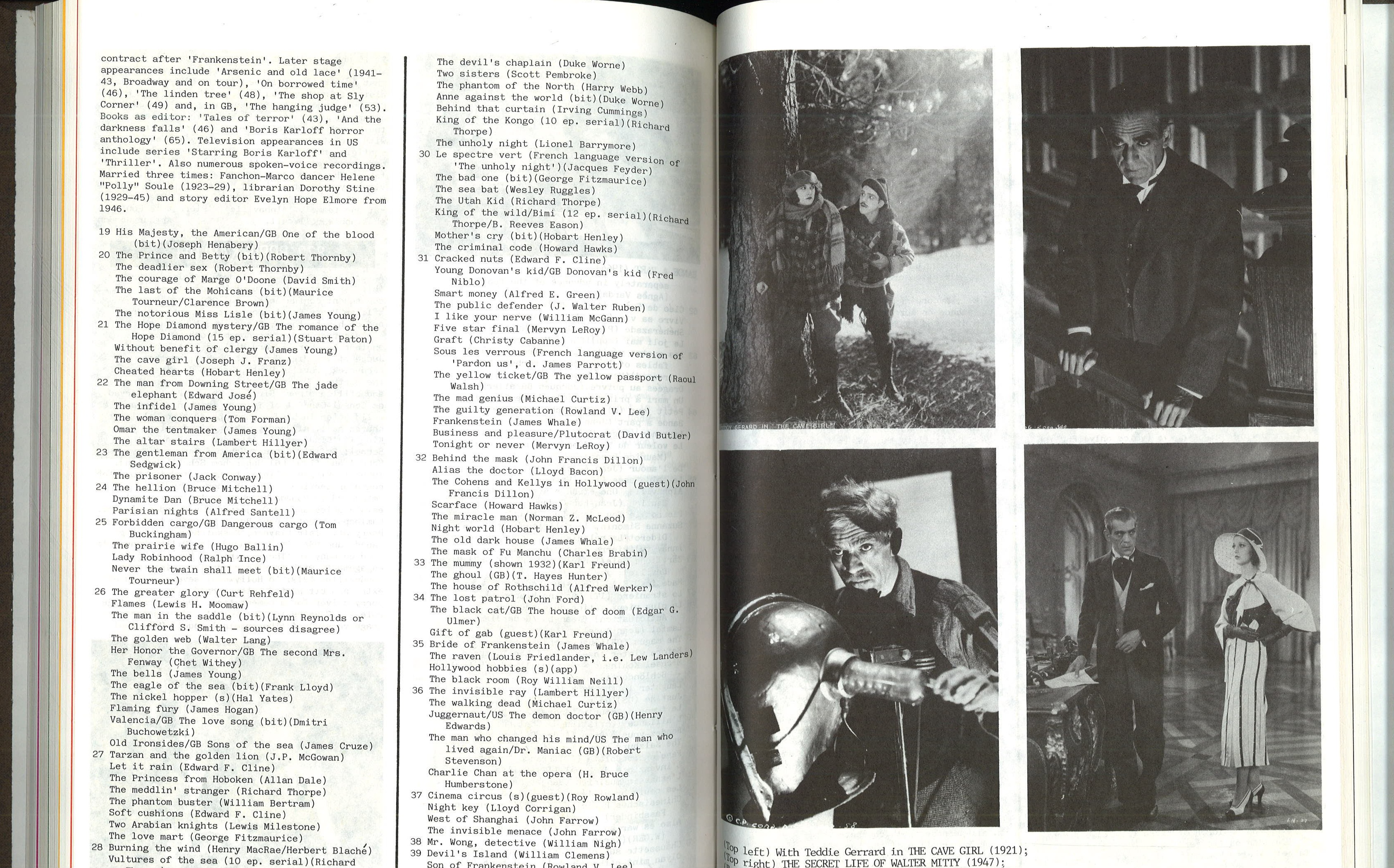
The list of credits reads like a companion piece to John Yau’s poem “I Was a Poet in the House of Frankenstein: Boris Karloff Remember Being Chinese on Several Occasions”
Advertising–Tourism
The tag-line of this blog is “A tiny window into 637 Periodical Titles & 200,000+ images divided into 910 Picture Subjects.” 95 of those subjects have the parent subject Advertising. There are 16 subcategories of Advertising (Beer, Cigarettes, Cosmetics & Grooming, Drugs & Medicine, Fashion, Finance, etc.). Those subcategories are then divided chronologically, for the most part into decades. This arrangement allows users to see how illustration (or the lack of it), graphic design, copy, and advertising strategies have evolved over time.
Advertising–Tourism, which has nearly 1000 items, is divided thus: 1890-1919, 1920-1929, 1930-1939, 1940-1949, 1950-1959, 1960-1969, 1970-1979, 1980-1989, 1990-1999, 2000-2009, and soon 2010-2019. A generous sampling follows.
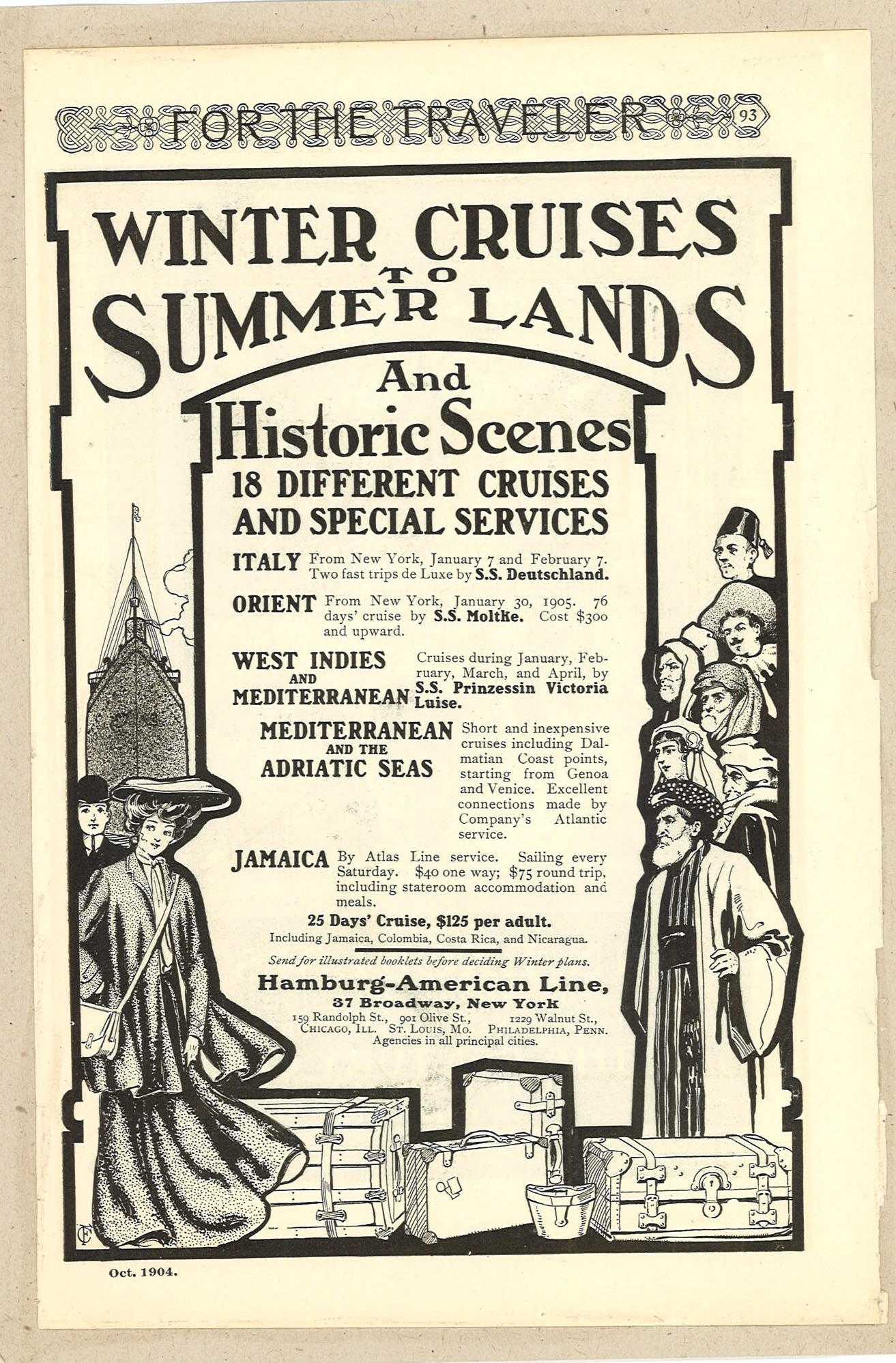
October 1904
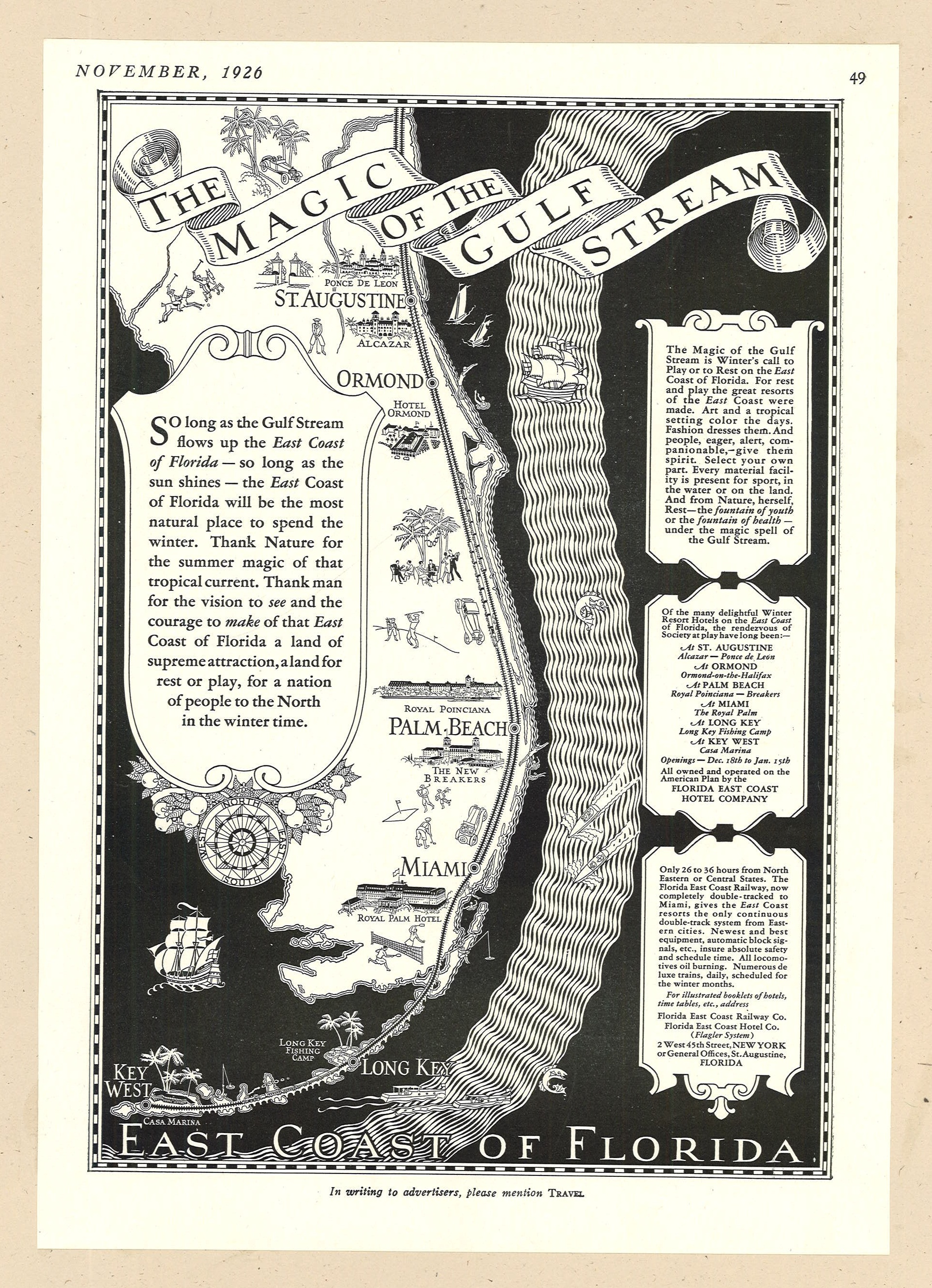
From Travel Magazine, November 1926
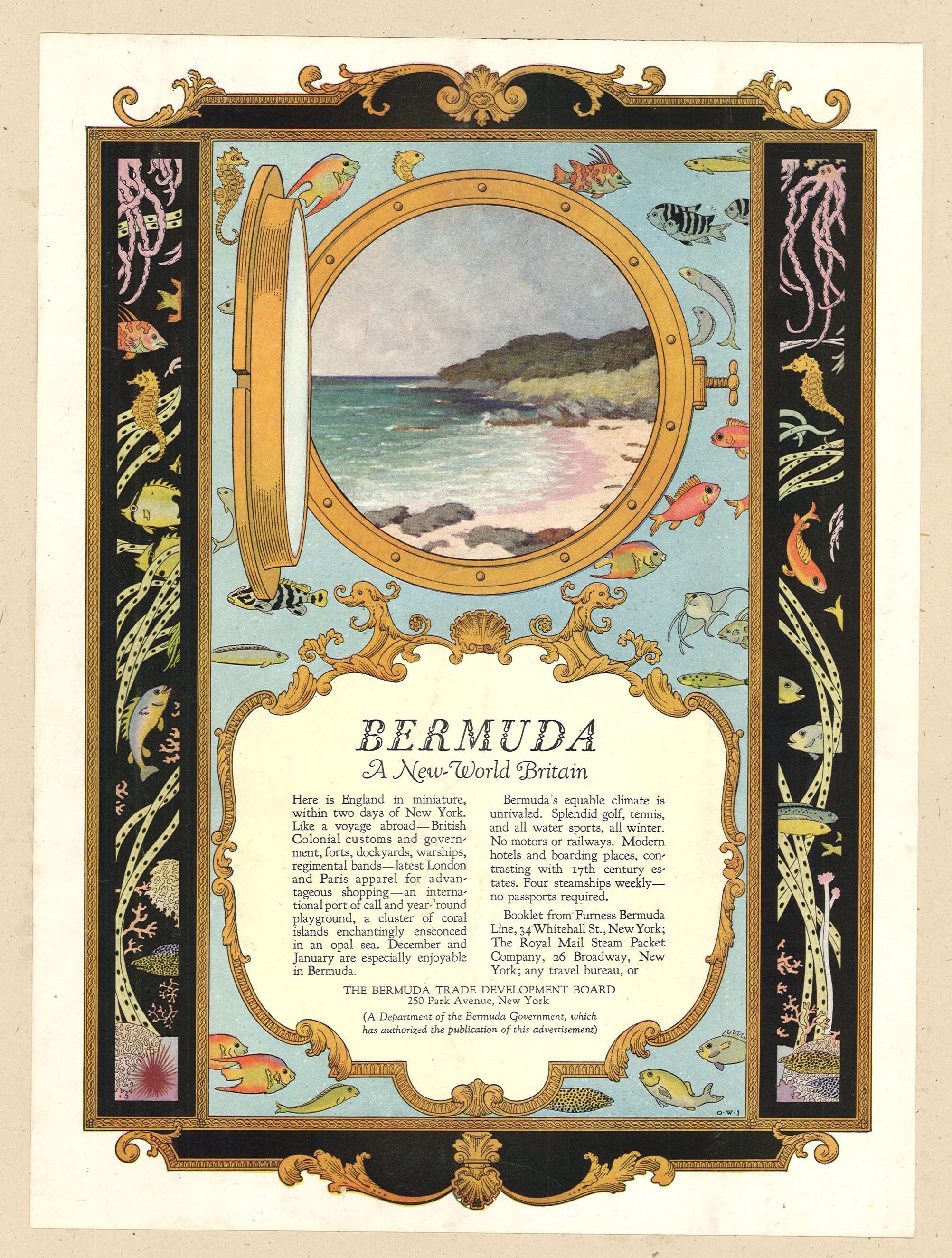
From Travel Magazine, December 1926
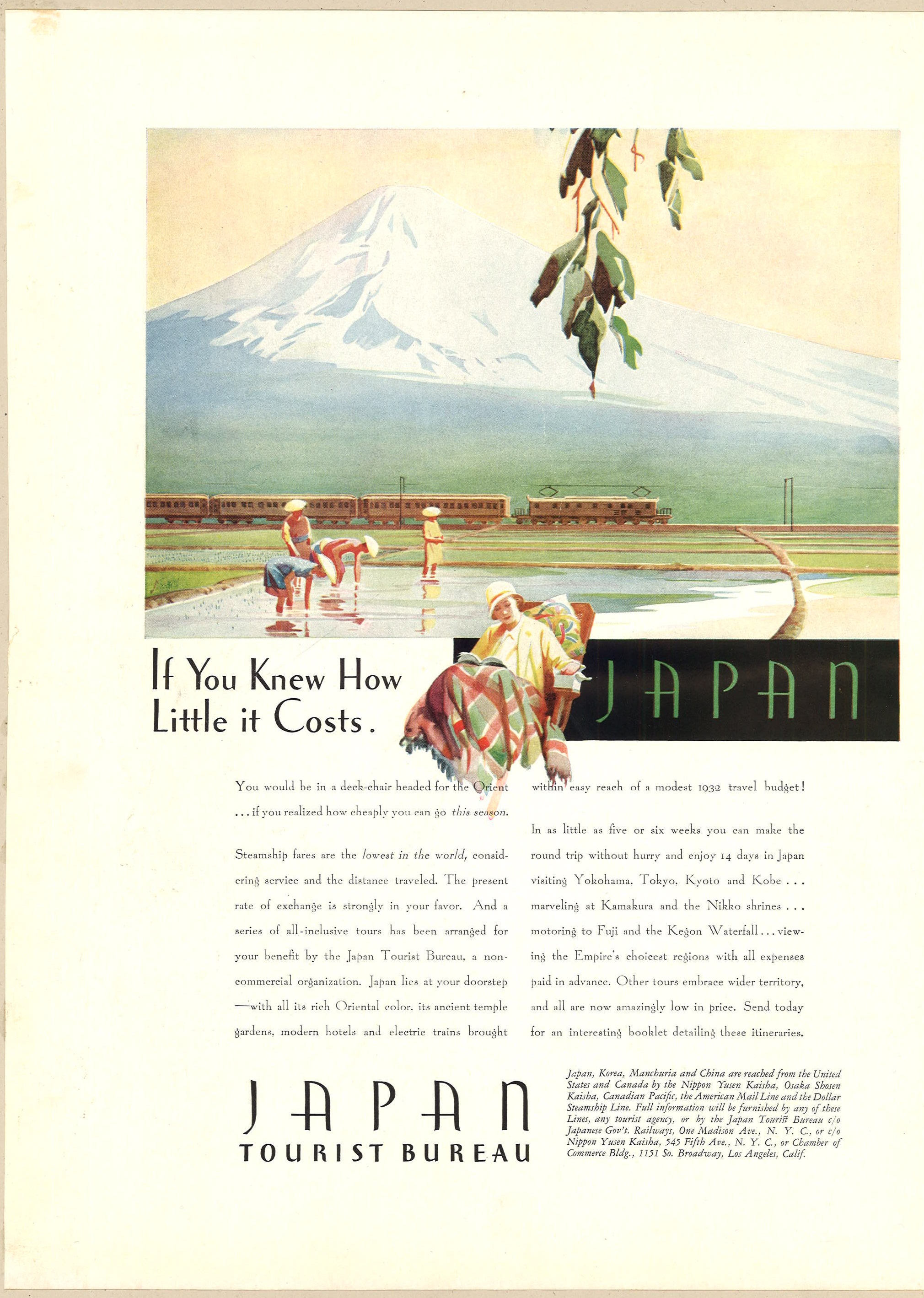
1932
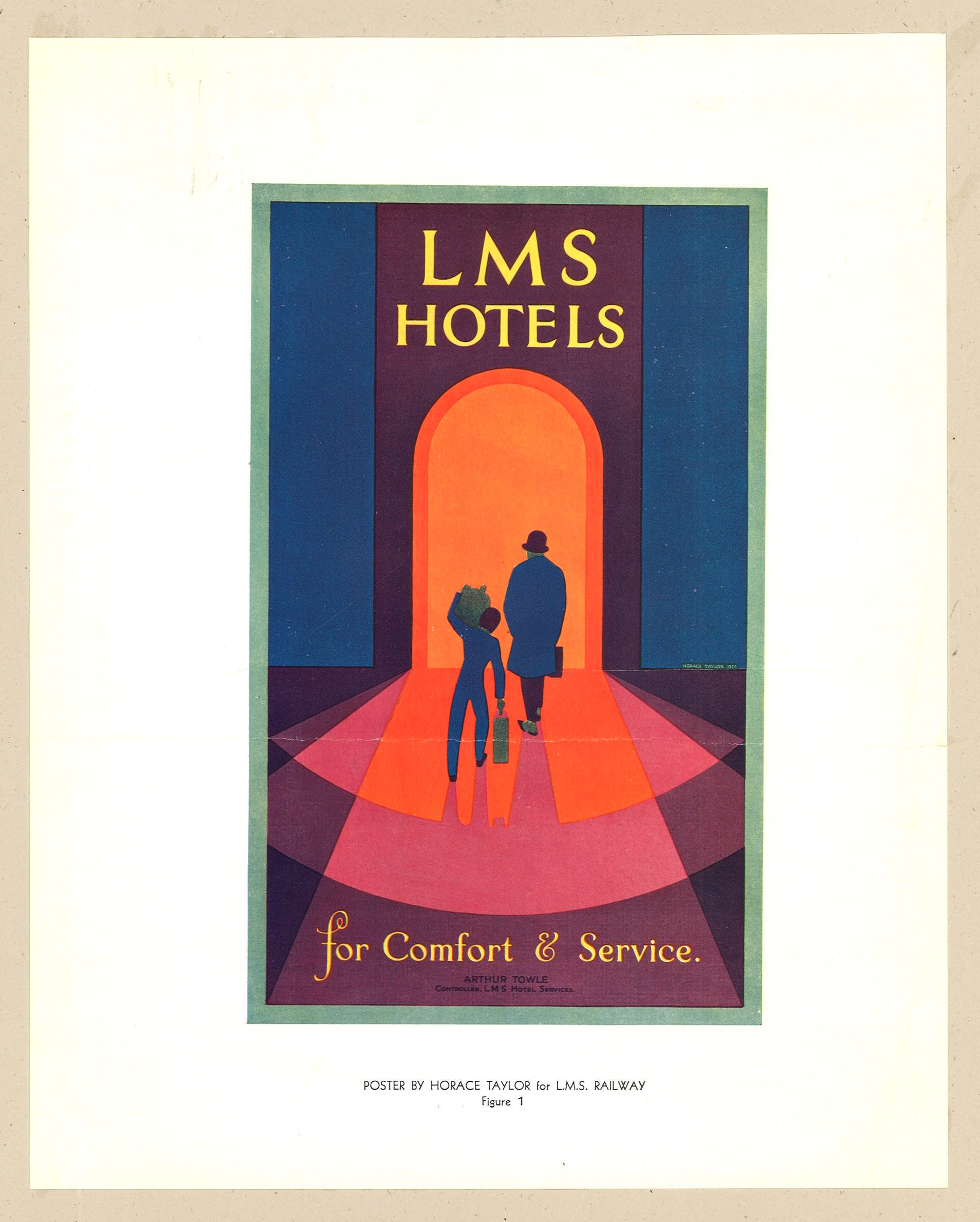
By Horace Taylor, From The Artist, June 1933
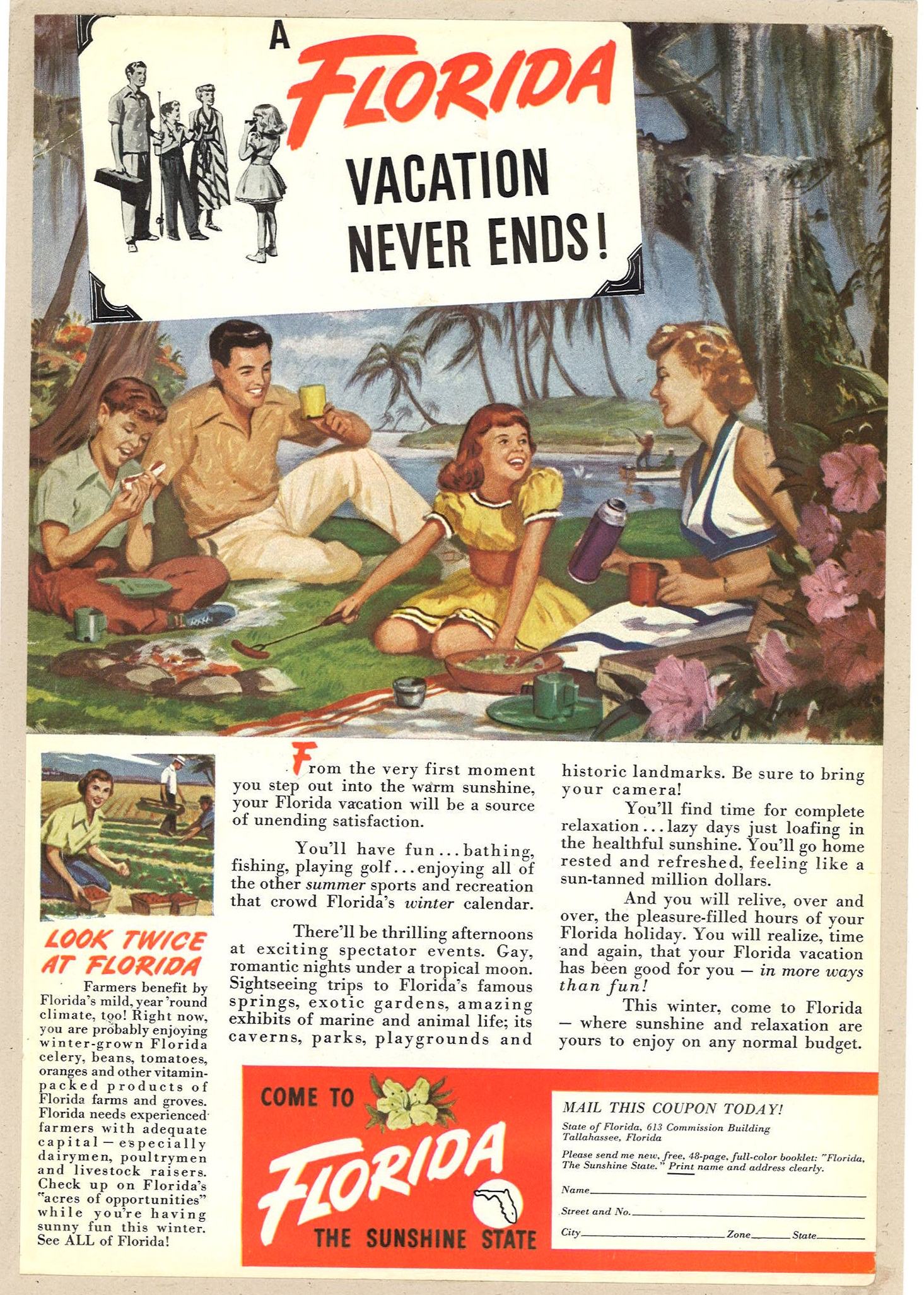
1949. 62 Years later, the Florida Vacation persists.

1950. This is a whole pamphlet published by the Pan American Union.

National Geographic, June 1968

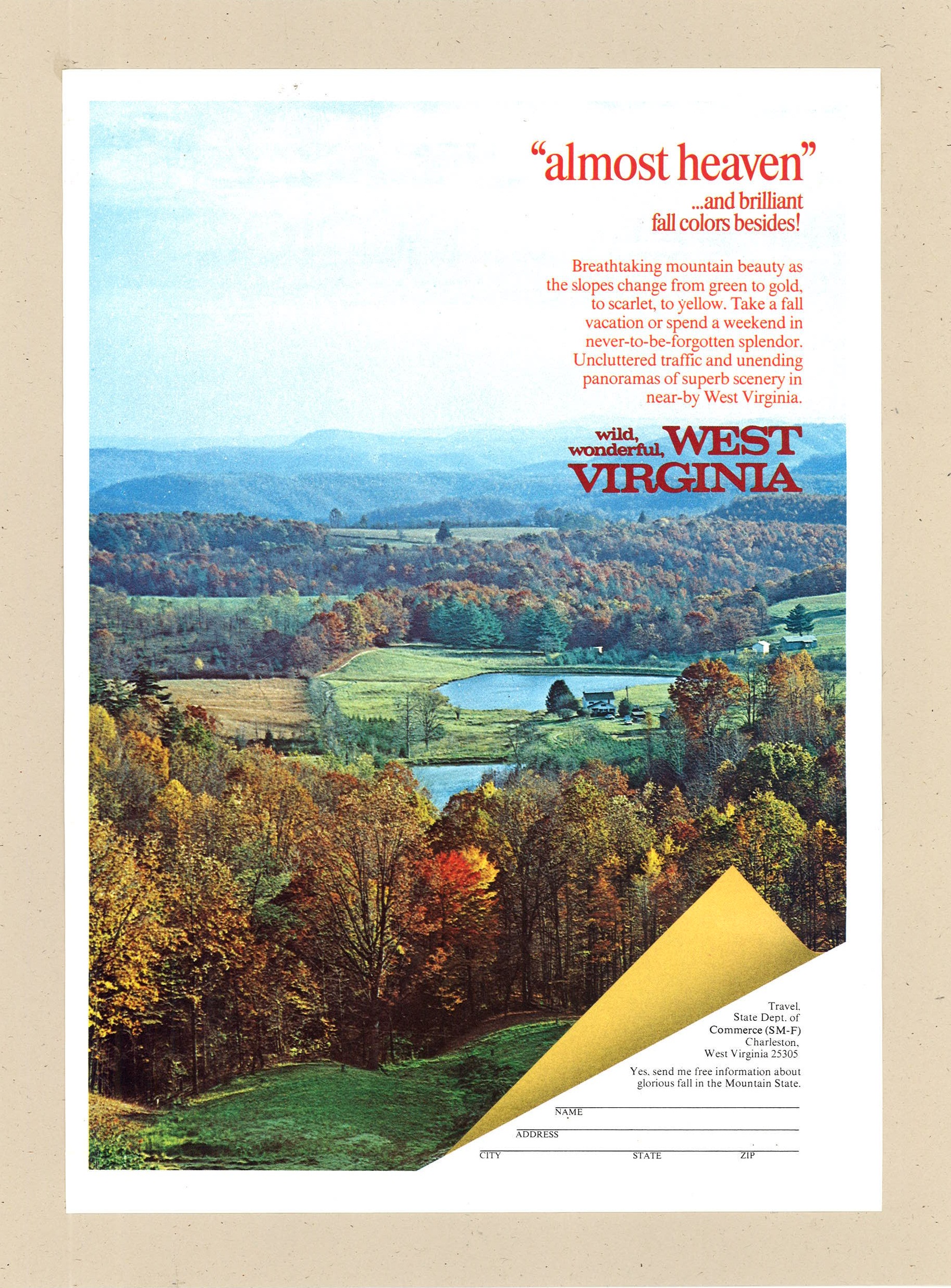
Smithsonian, October 1972

1980's
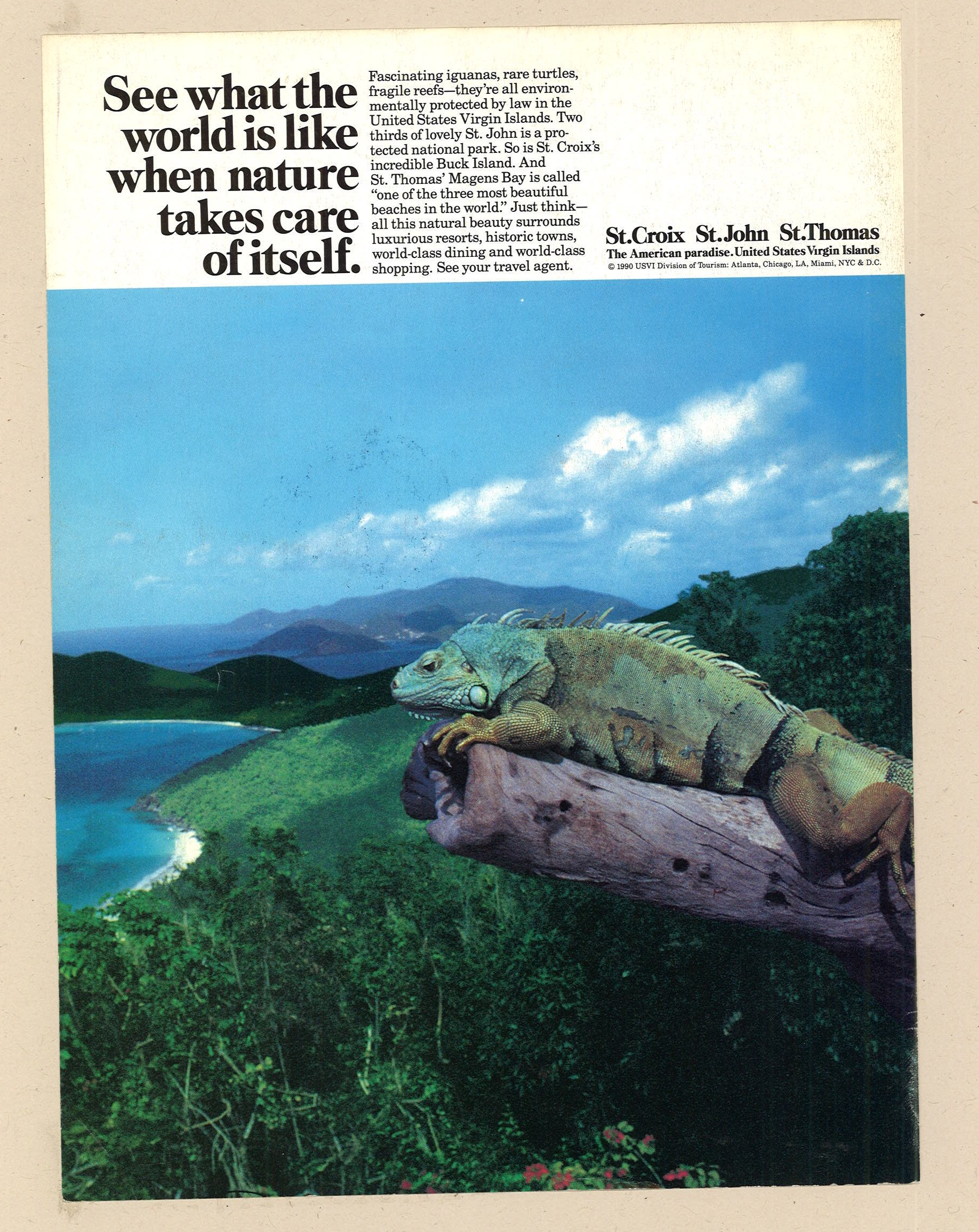
1990

Culture & Travel, July/August 2008


 SVA Library Picture & Periodicals Collections