Monthly Archives: February 2011
Apartamento: an everyday life interiors magazine

Even the spines are sumptuous
According to their website: “Apartamento’s first issue was released in April 2008 as a magazine interested in homes, living spaces and design solutions as opposed to houses, photo ops and design dictatorships. The magazine is a logical result of the post-materialist mind shift. People are bored with the ostentatious and über-marketing. There is a real quest for identity in the midst of mass production and globalization, and that quest leads to what is personal, what is natural, what is real.”
The photos and interviews reveal intelligent people in real spaces; spaces that look lived in because they are lived in. Instead of showcasing a single design ideal, they show how a space is influenced by a person’s taste, education, location, occupation, means, cultural attitudes and so on. They show homes that reflect life. Some of the articles are self- profiles, in which someone writes and documents their own home, like this one by Yukari Miyagi:


"...My daughters and I brought back lots of leaves, twigs, nuts, flowers falling down to earth, and put them on a white piece of paper. The kids soon began making their 'art works' with their findings freely..."
Or in “”More Feral Than You” (text by Monica Canilao, photos by Paul Schiek):
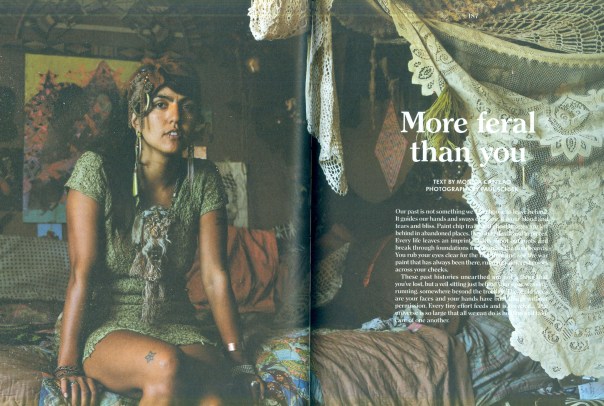
- “Our past is not something we can choose to leave behind… Paint chip trails and ghost images are left behind in abandoned places, lived in to death and to pieces. Every life leaves an imprint…”


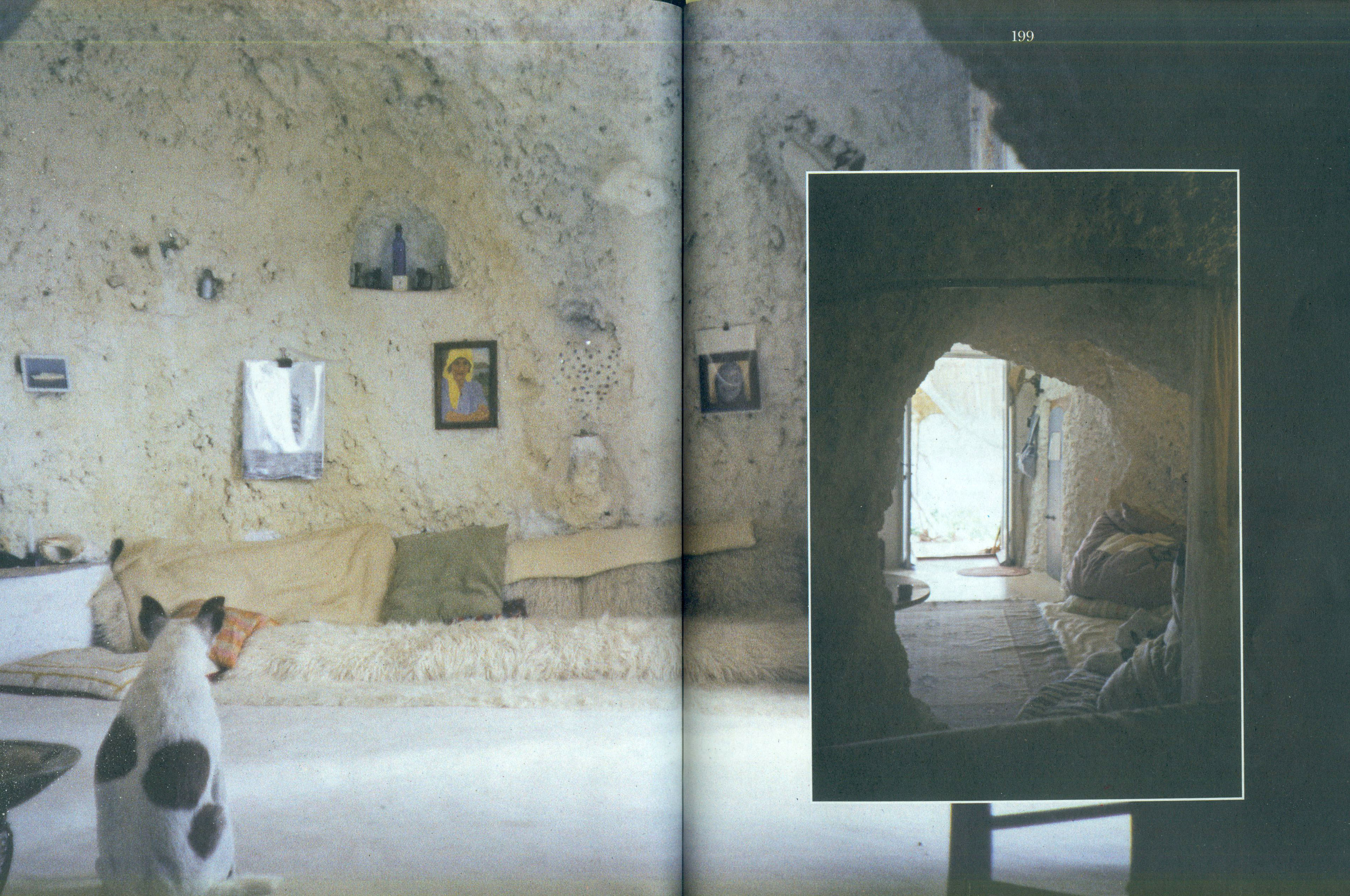
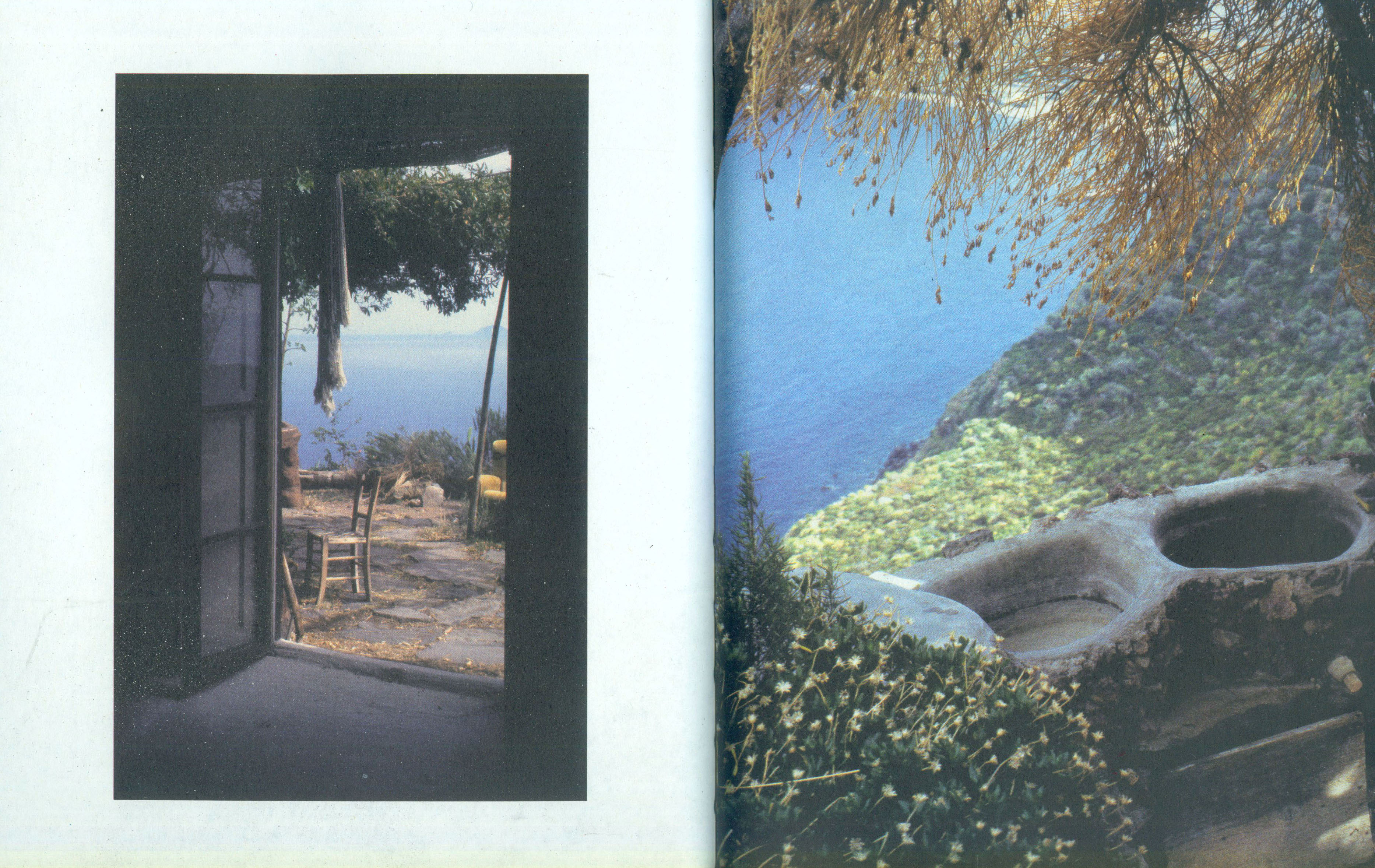
"...Wild and beautiful, inhabited by a strong nature, which defends it by external aggressions... Here, air, water, and even fire manifest themselves as the true fury of the elements...Up to a few years ago the water was just rainwater, there was neither electric light nor even a pier where ships could dock."
Beyond the self-profiles, the magazine features interviews, unique travel supplements, cartooning, illustration, and just a bunch of cool stuff. The design of the magazine itself is wonderful, with flush photos that are laid out smartly and with a nostalgia inducing production quality that is in beautiful contrast with the contemporary subjects. It comes out twice a year. The library has it starting with issue #4. The current issue is #6.
Anatomy–Animals
Oh, the mandibular condyle 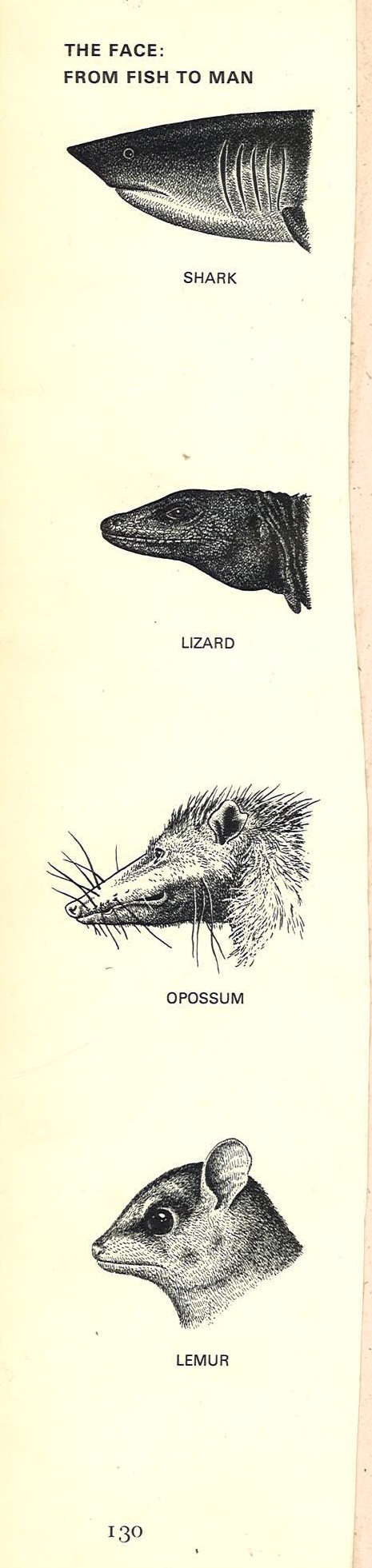
Yes, the glandula parotis
Indeed all the way to the end
of the jugular vein.
Be you a superficial flexor tendon
Or a deep flexor tendon
A Phalanx prima, secunda, or tertia
You are invited to dig in your hind claws
And sink in your unpaired canine tooth.
The Visual Arts Library Picture Collection Presents:
ANATOMY—ANIMALS
A subdivision of ANATOMY (which refers to human anatomy and which has the further subdivisions of ANATOMY—EYES ANATOMY—HANDS, and ANATOMY – NERVOUS SYSTEM) ANATOMY—ANIMALS has approximately 100 items. Please find a sampling below.


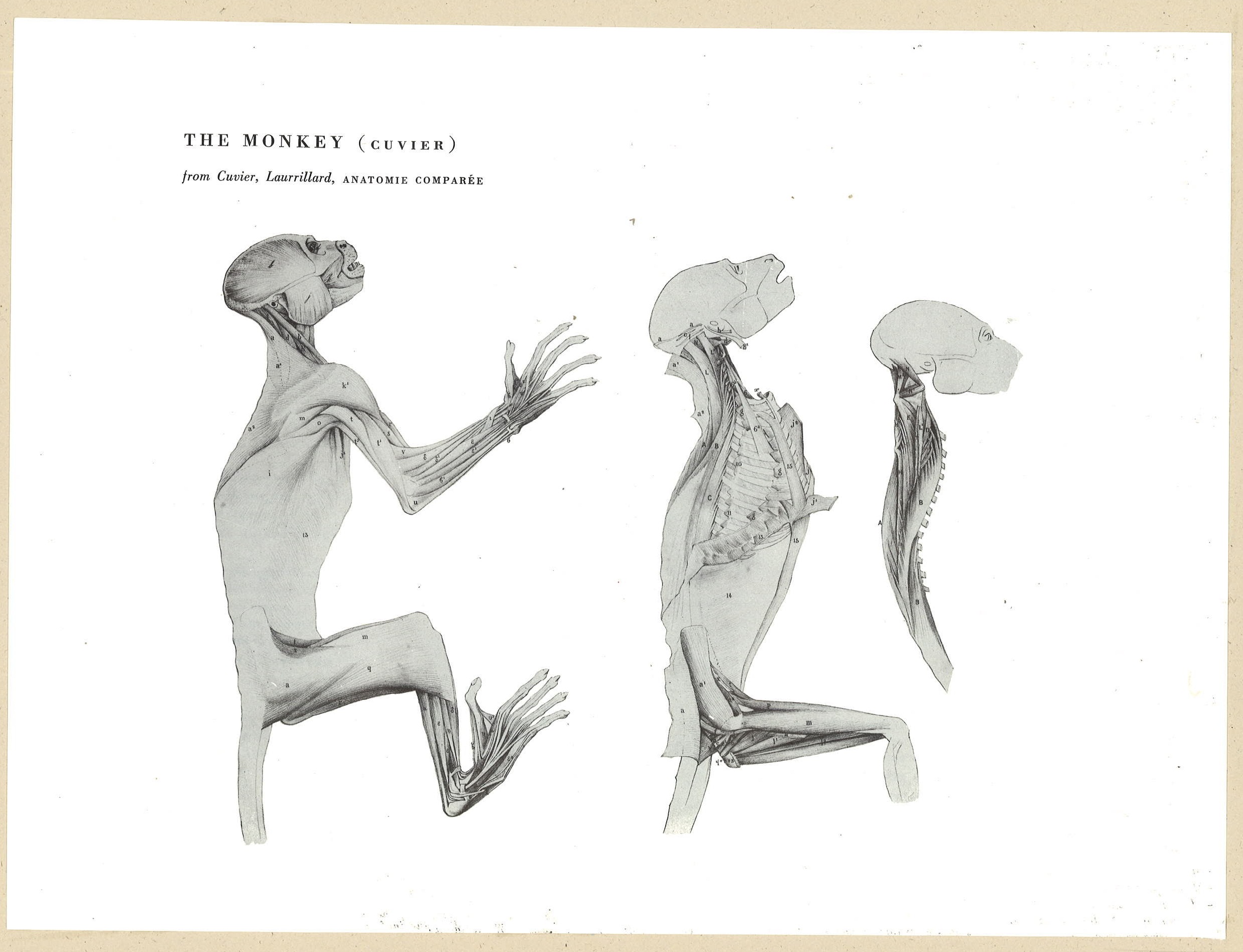


Da Vinci sussing out the horsely dimensions.
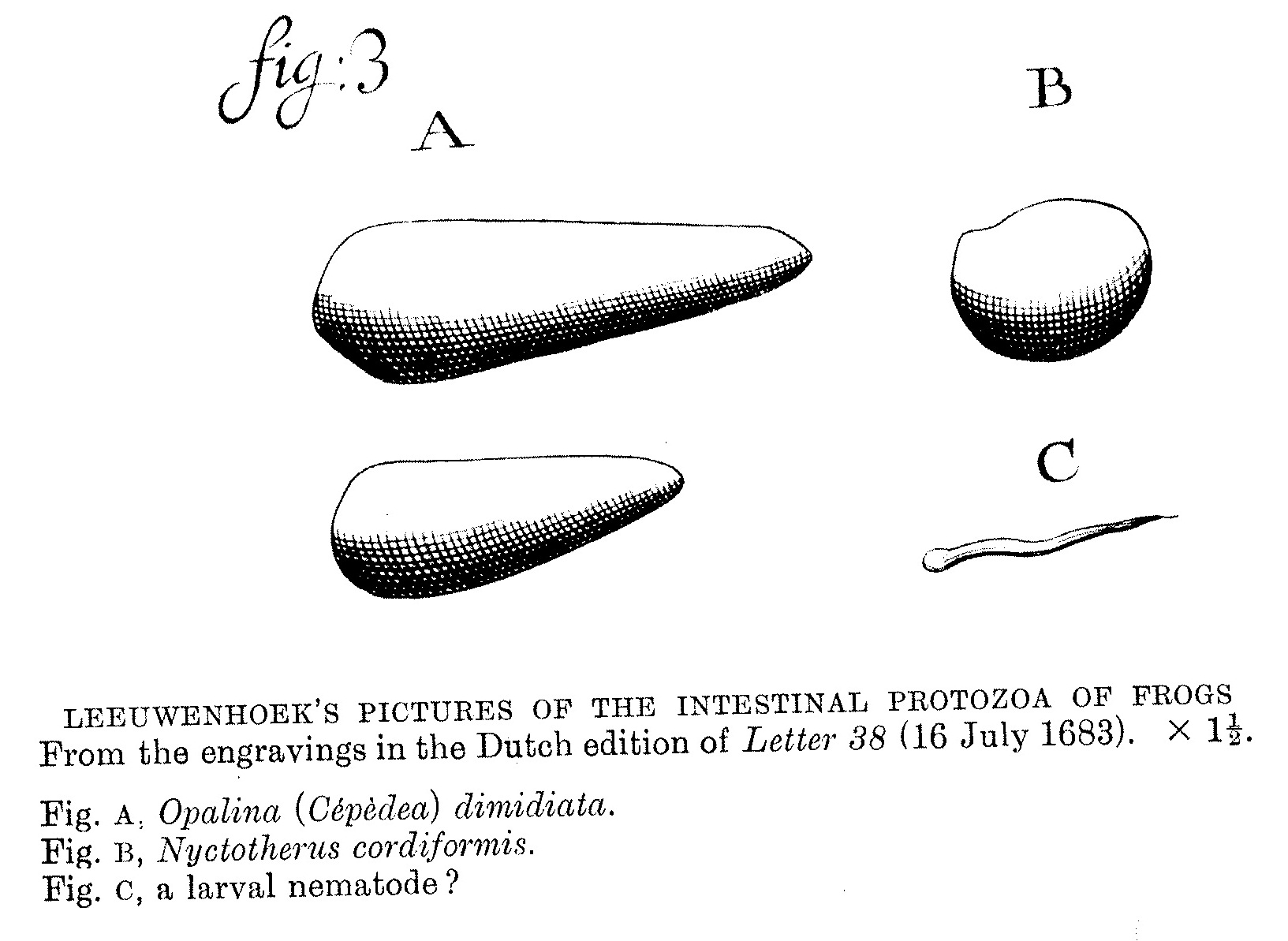
Antonie van Leeuwenhoek, the “father of microbiology,” sketches out the intestinal protozoa of frogs.

The Visual Arts Library Picture Collection Presents…
another installment of “Let the Pictures Tell You.”
Now that you look your best, it’s time to feel your best. It’s time to get glad, and so it’s apt that we turn to the picture subject “Humor.”
[Please note the quotations–before I added the quotes I could not bring myself to add anything to the folder, I would just imagine some smartypants going through the folder and snidely remarking, “oh yeah, this is real funny.” But with the quotes I freed myself from the constraints of judging something humorous. When adding an image I am simply recognizing that someone else thought that it was funny.]
Also featured: Dance and Sports–Exercise & Fitness.
Start your day with some Mysore-style Ashtanga Yoga (in Mysore, India, if possible).
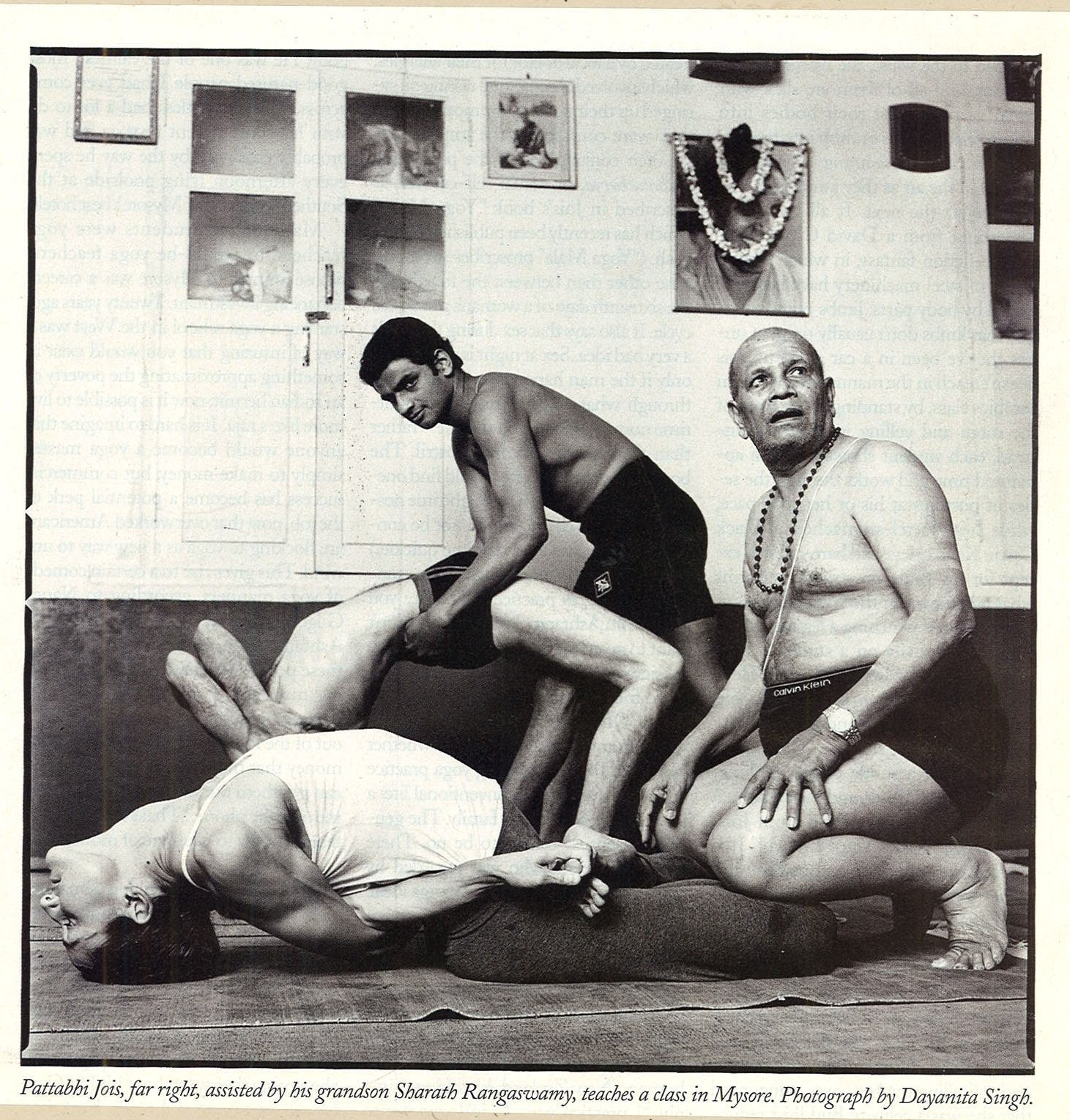
If gladness remains elusive, and you feel like your world is deteriorating around you, you can at least still dress the part.

And this, absolute gladness.
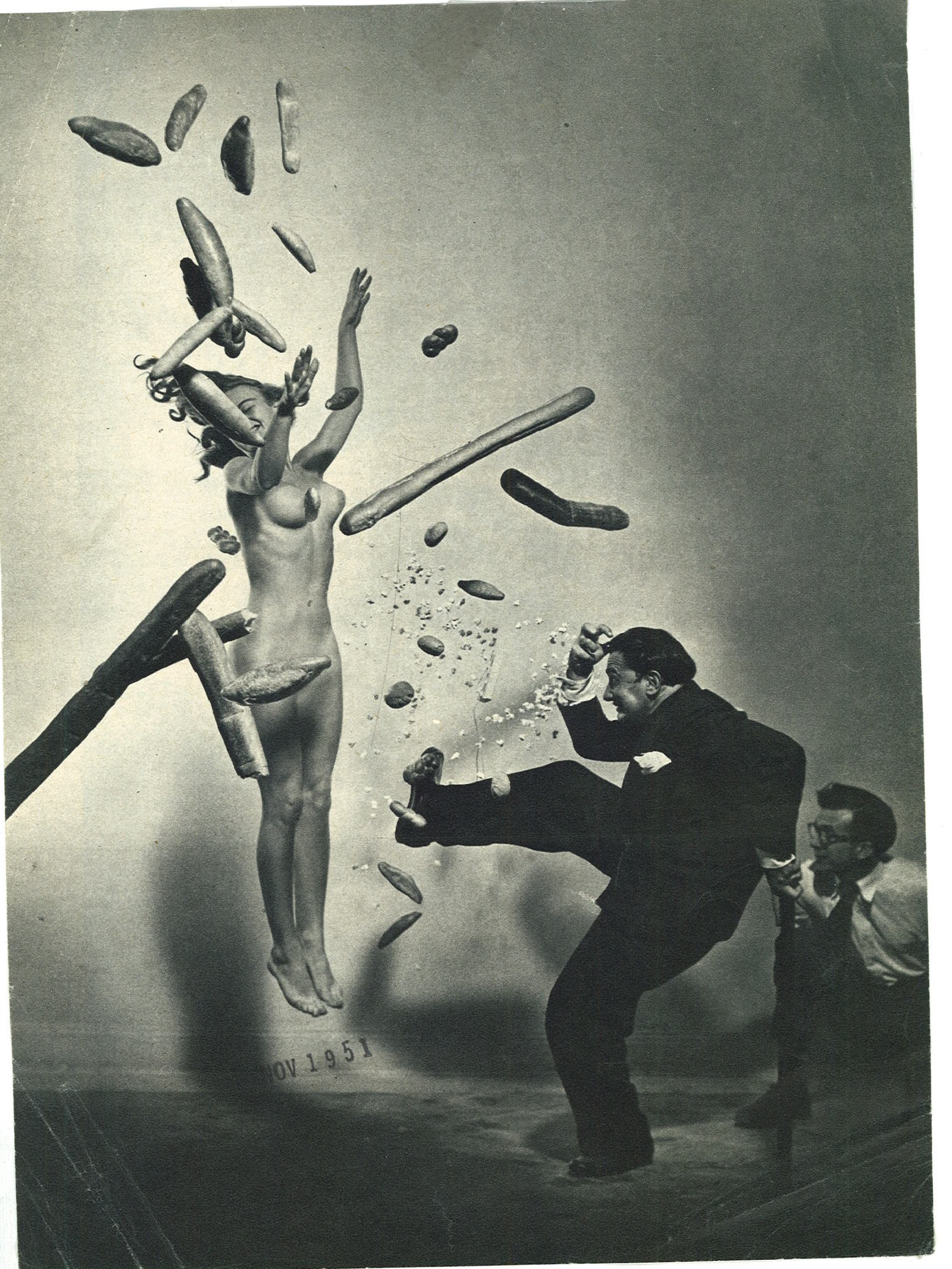
Next up, wealth.
The Visual Arts Library Picture Collection Presents…
“Let the Pictures Tell You:” unsolicited advice from static images; our wonderful Picture Collection!
The picture collection helps us achieve three of the greatest human desires: Beauty, Happiness, and Wealth.
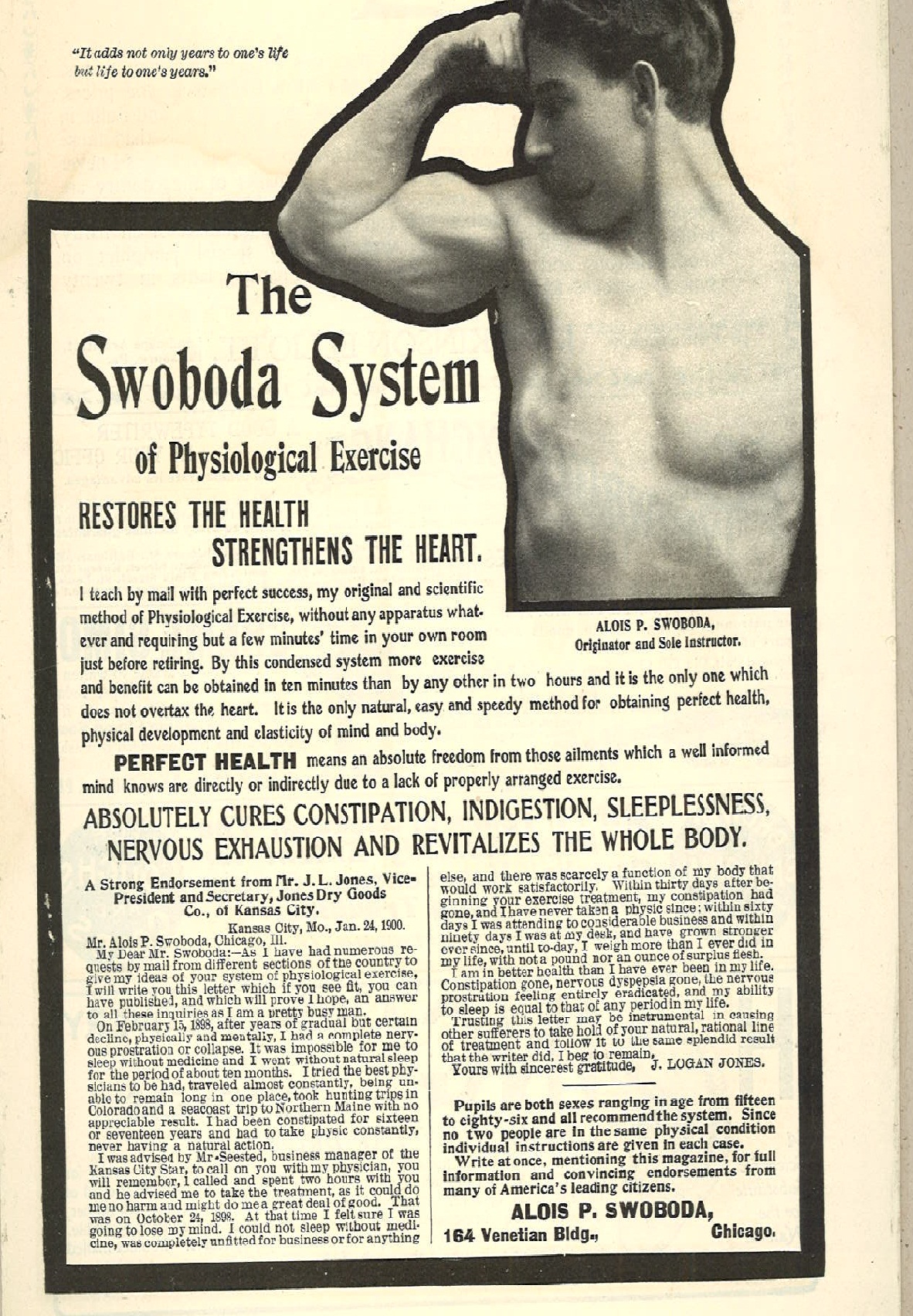
Today, from Sports–Exercise & Fitness and Advertising–Early 1900’s, how to look your best:
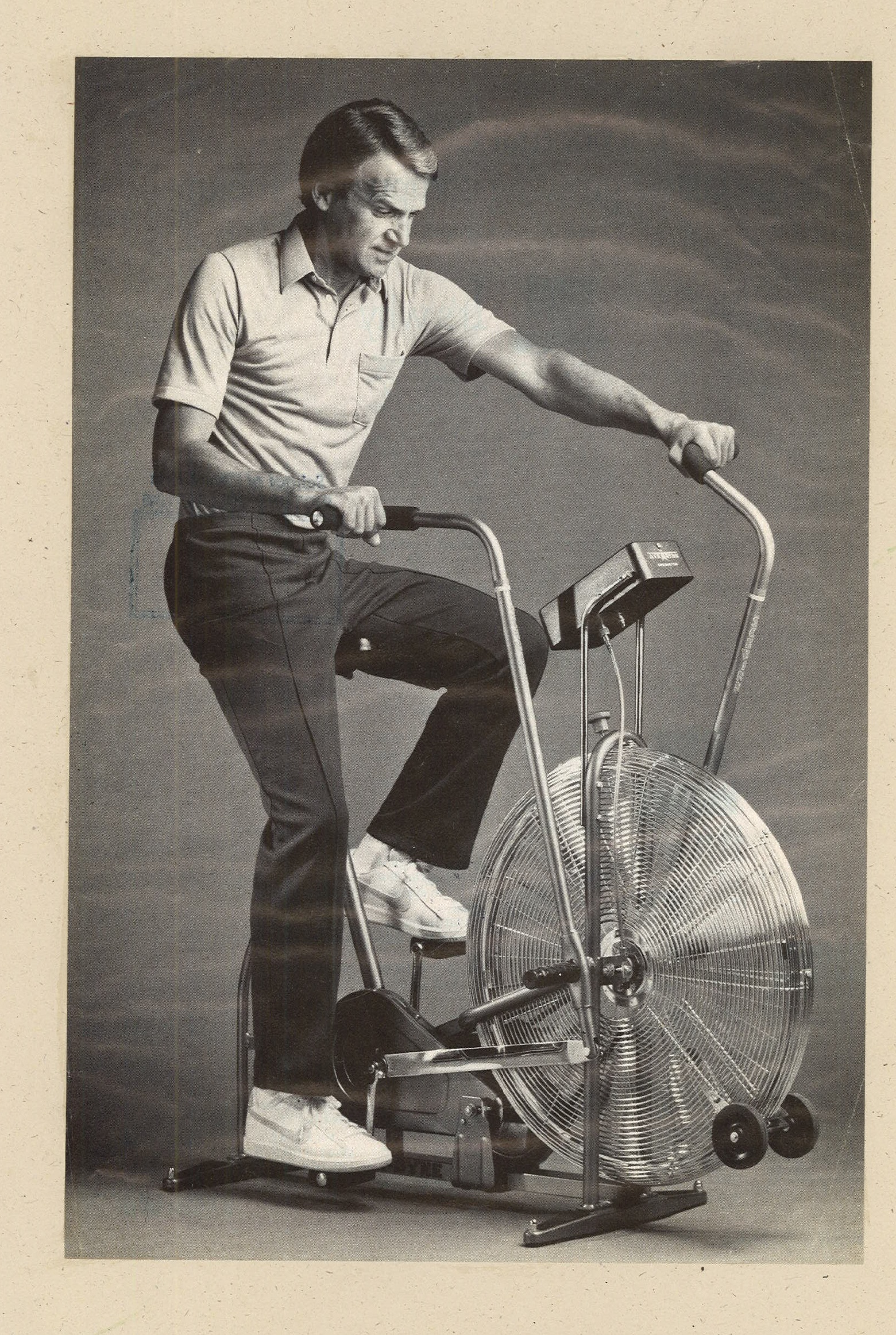
Remember, you can always do two things at once.
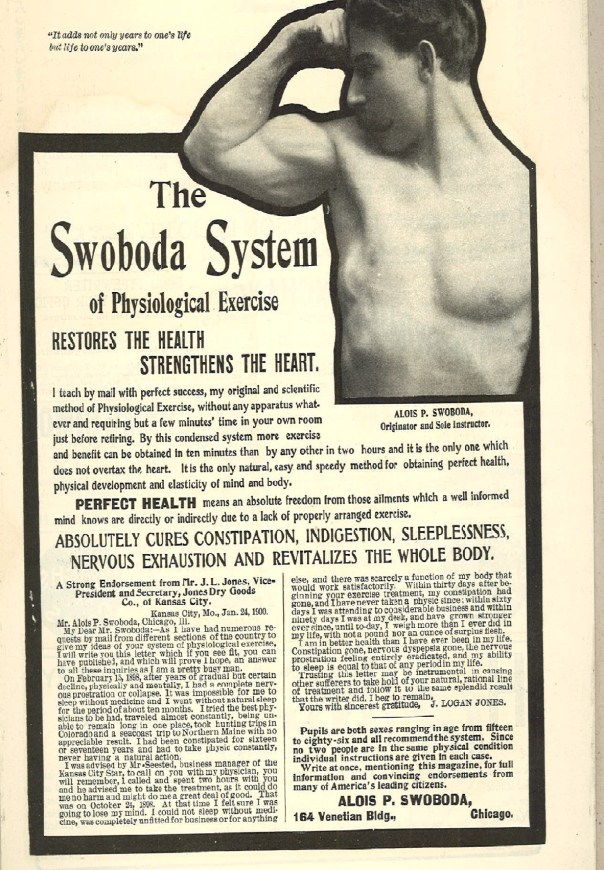
Achieve perfect health through the mail and watch how your handlebar mustache and your biceps develop an infatuation for each other.
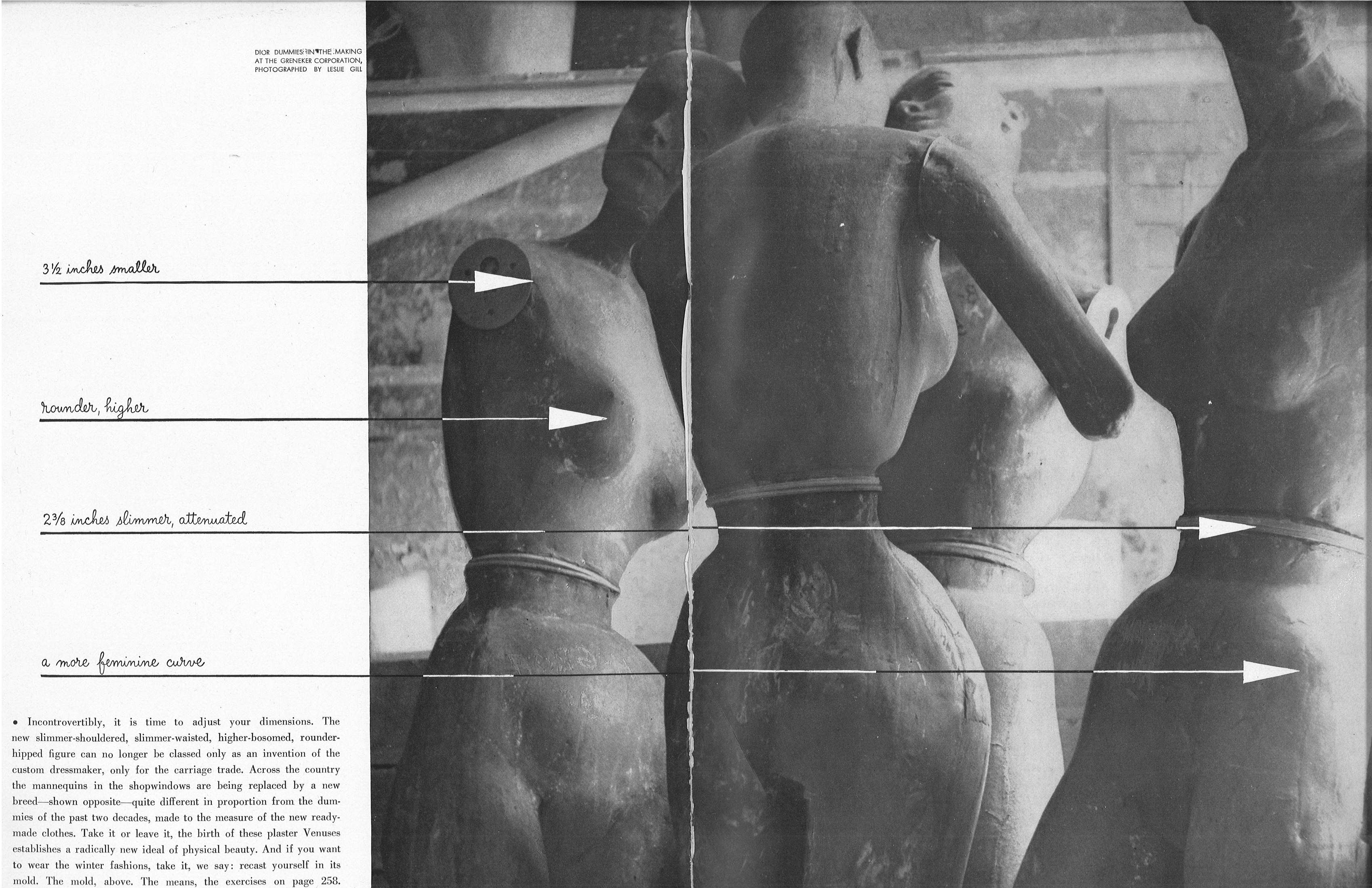
And, for all you ladies, keep up with the ever evolving shape of the ideal body.
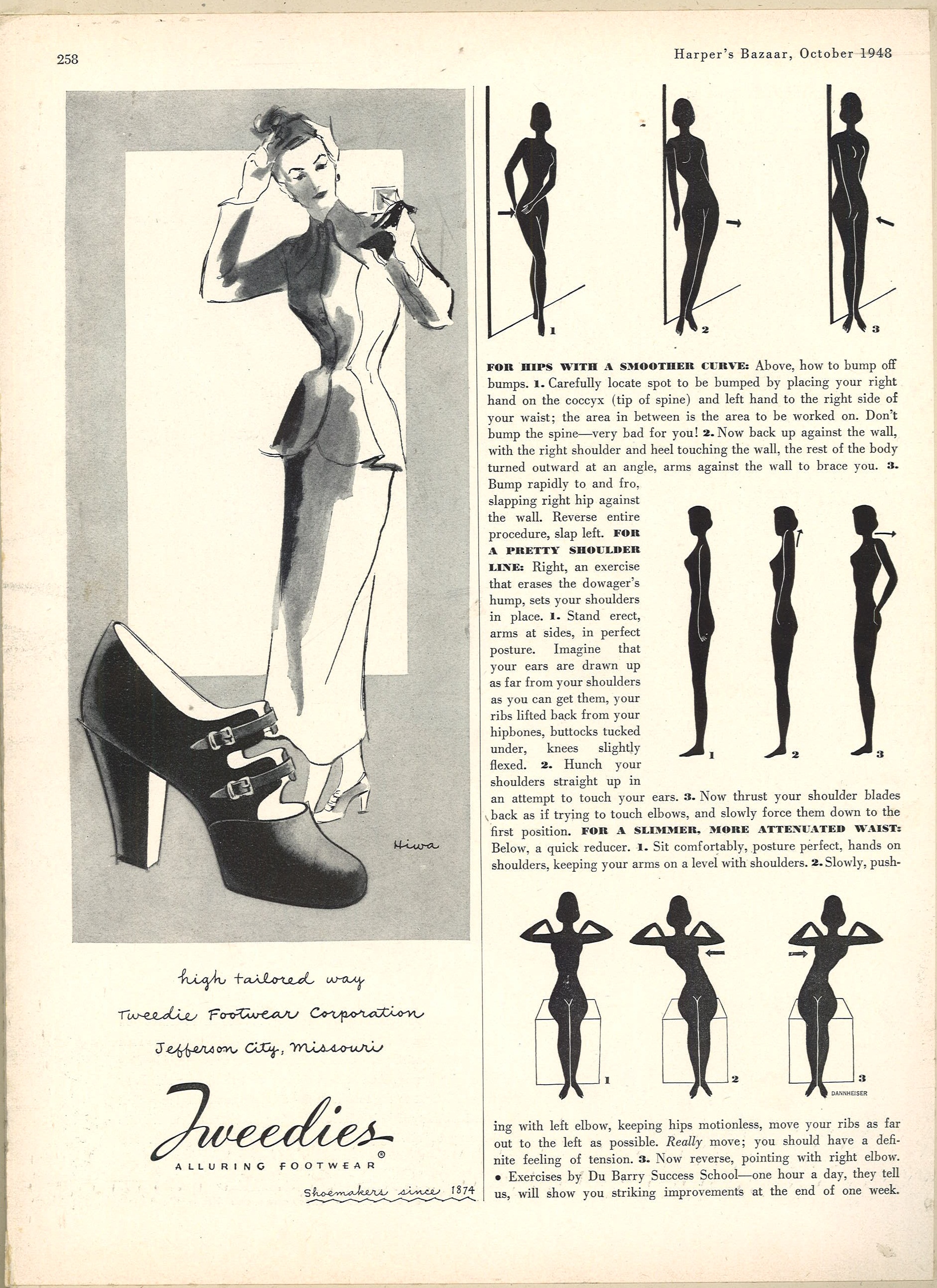
Next time, the picture collection will demonstrate how to wake up each morning just as glad as can be.
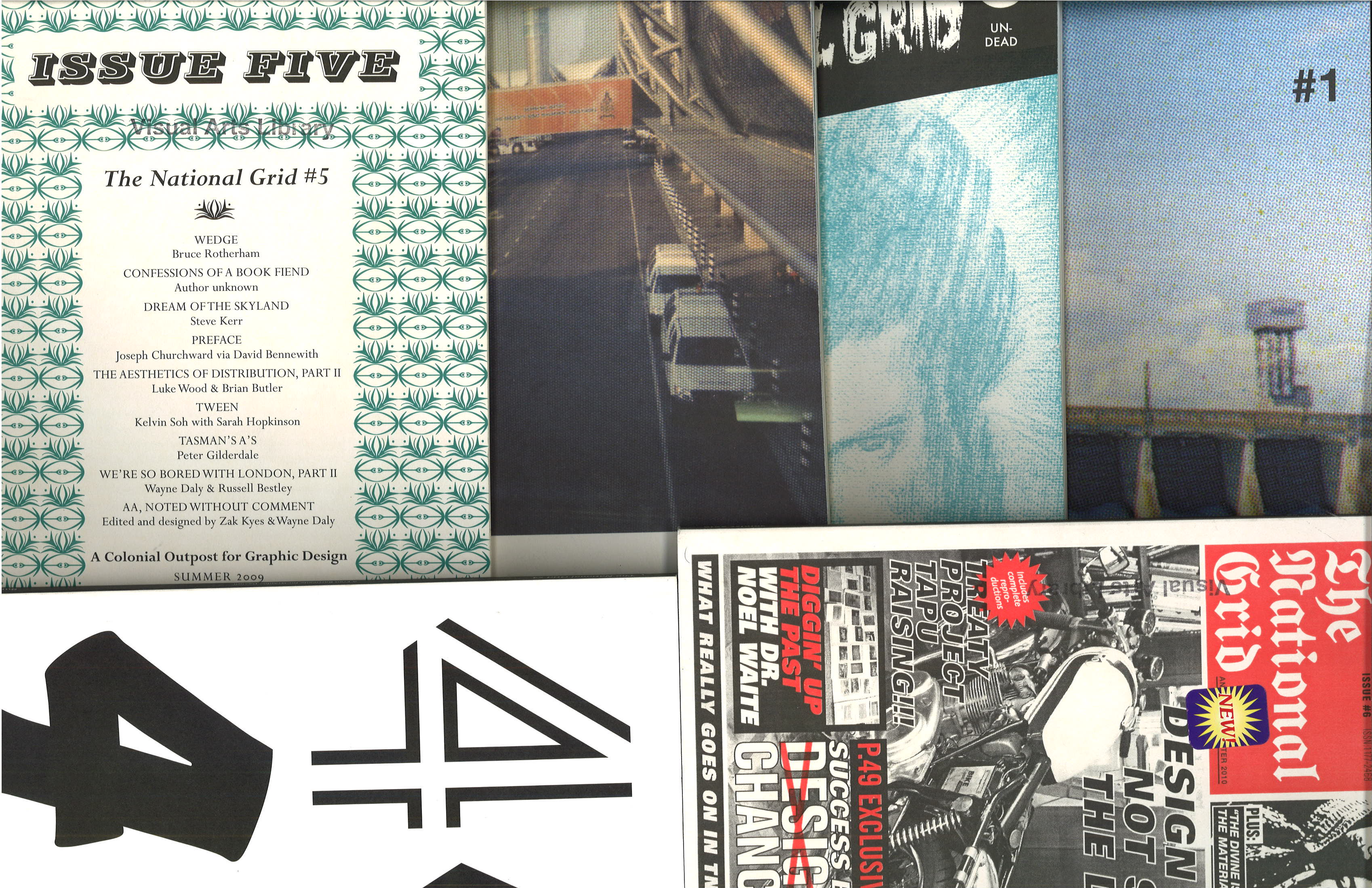
The National Grid: Not the Utility

National Grid is a peripheral publication for graphic design; a provincial publication for graphic design; a paranoid publication for graphic design; a frail barricade for graphic design; a colonial outpost for graphic design; a maintenance manual for graphic design, respectively.
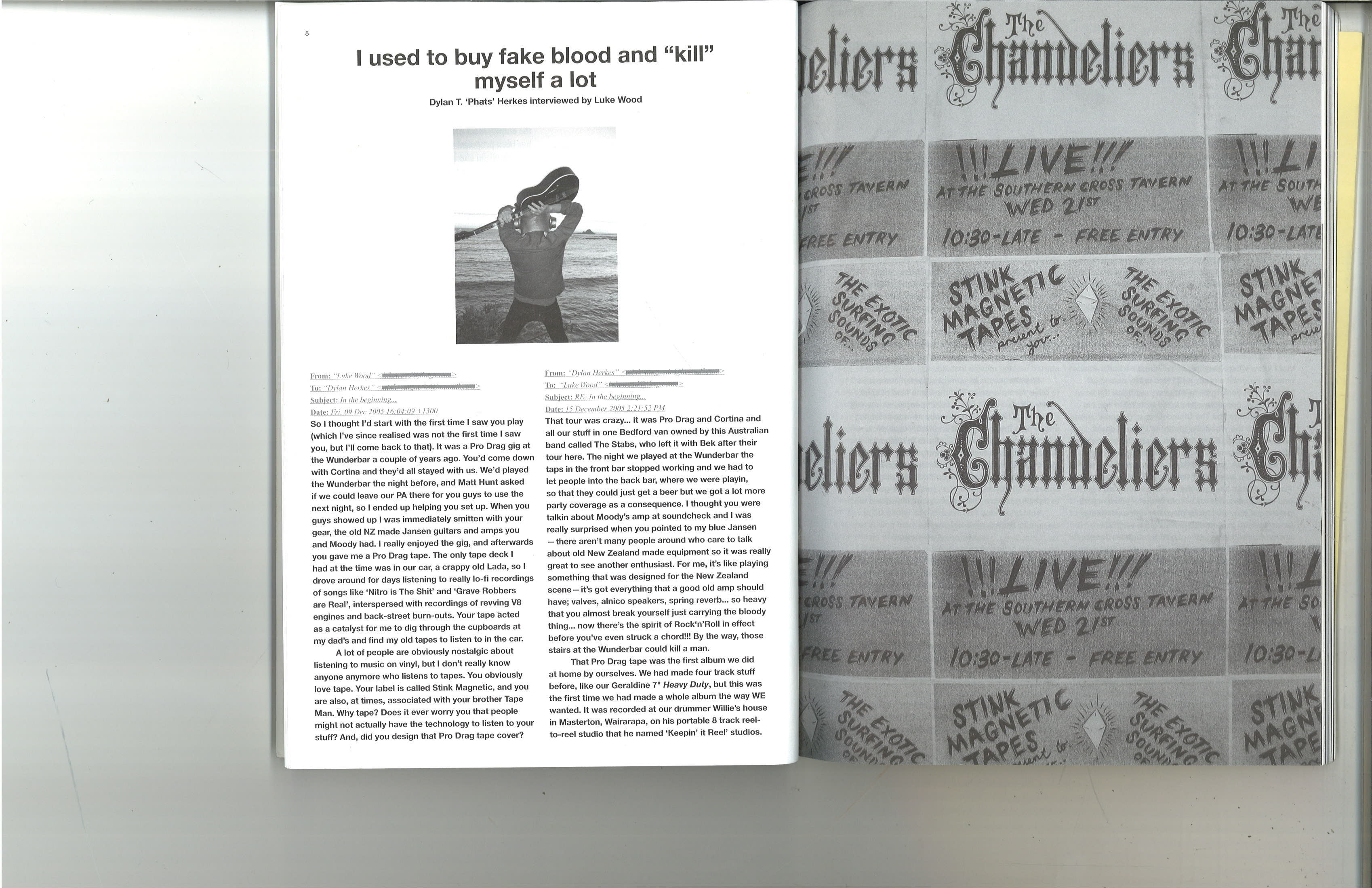
It’s also a graphic design magazine that focuses a good deal on the tangible history of music, the beautiful paraphernalia of promotion and distribution, such as in an interview with musician and tape only producer Dylan T. “Phats” Herkes in issue #1:
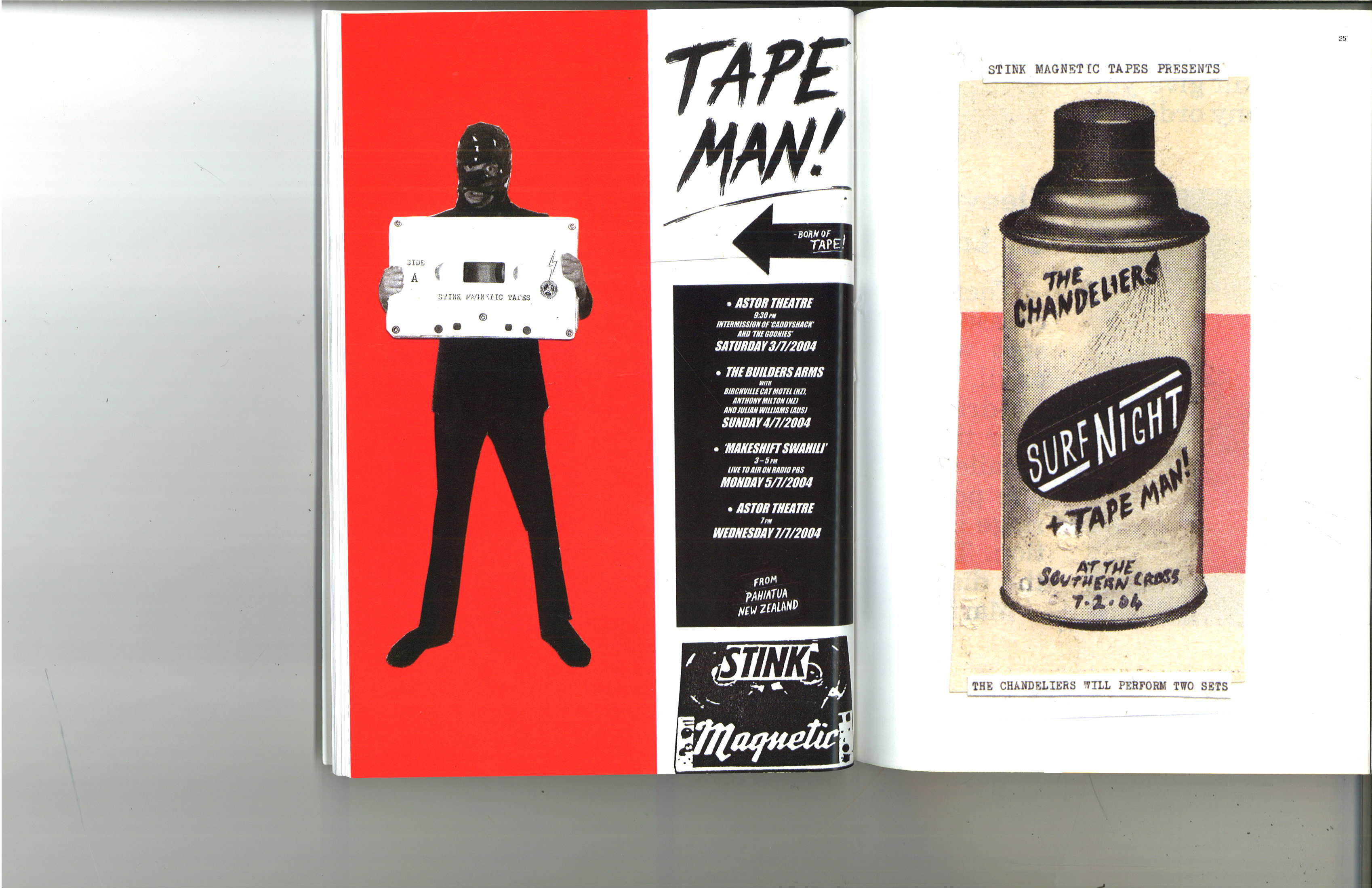
And this collaboration between Thurston Moore and Tom Surgal, with design by Thurston utilizing a graphic score by Cornelius Cardew (from issue #2):

And just because I can’t help it, album covers for Pork Dukes and The Jerks from issue #5:
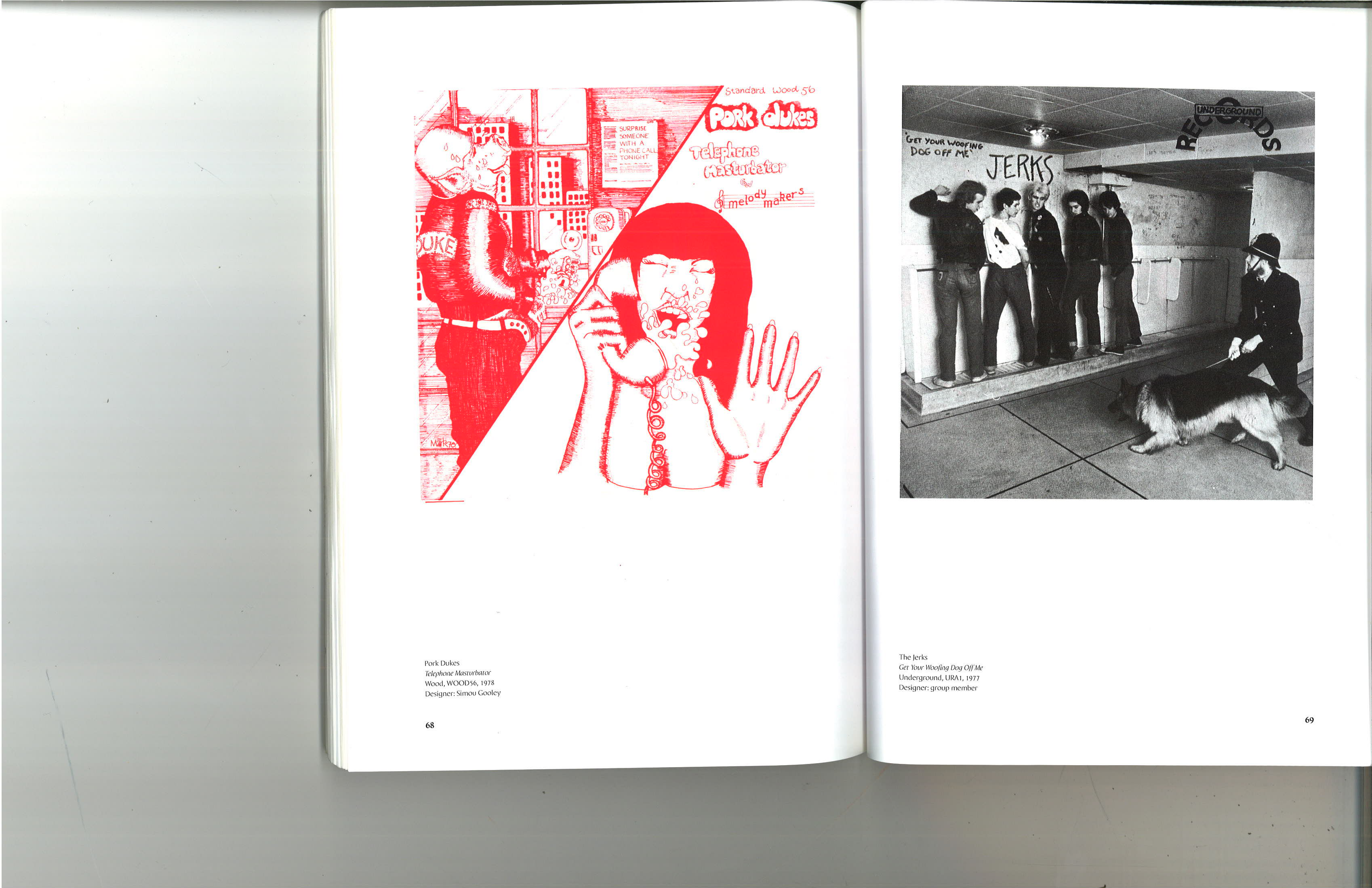
Beyond the reprinting of wonderful graphic artifacts, there is a good deal of critical protein between the pages. I suggest you read them all; current issue on display, back issues in the crank-o-matic back stacks. For more information on the National Grid, and other “peripheral” graphic design publications, such as Zed and Dot Dot Dot (both of which we have) consult the article “Designing Graphic Design History” in the Journal of Design History, vol. 22, no. 4, pp. 325-340, Dec 2009, also in the back stacks of our periodical stacks.

 SVA Library Picture & Periodicals Collections